 AI Tattoos
Design library · Style
Japanese (Irezumi) tattoo designs
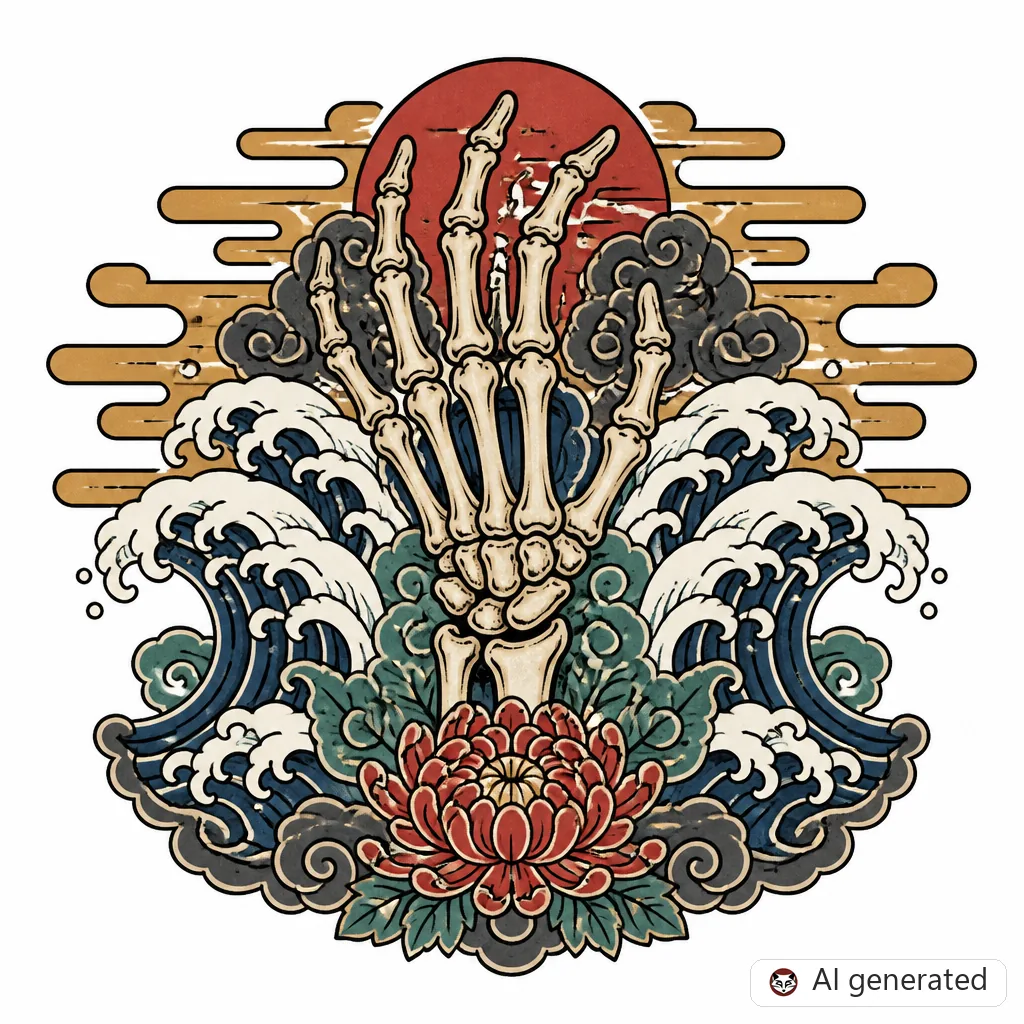
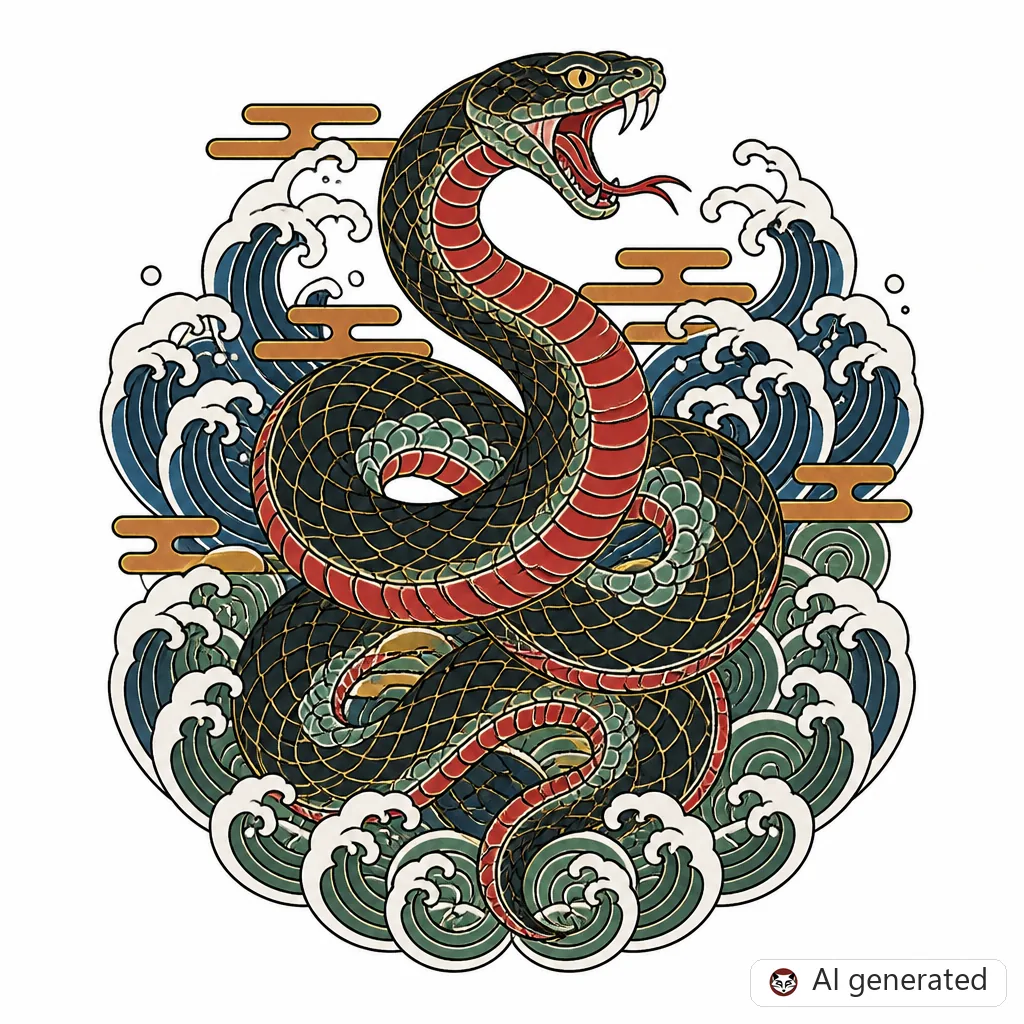
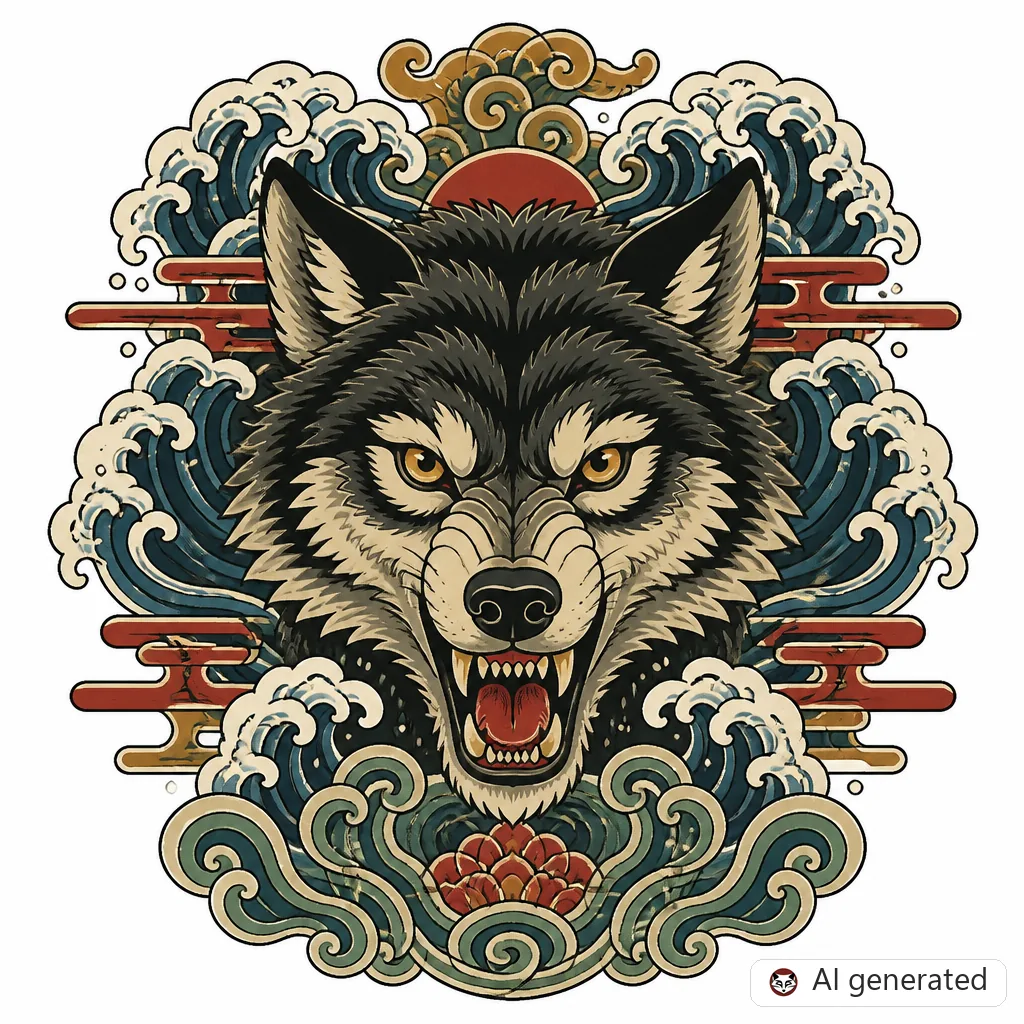
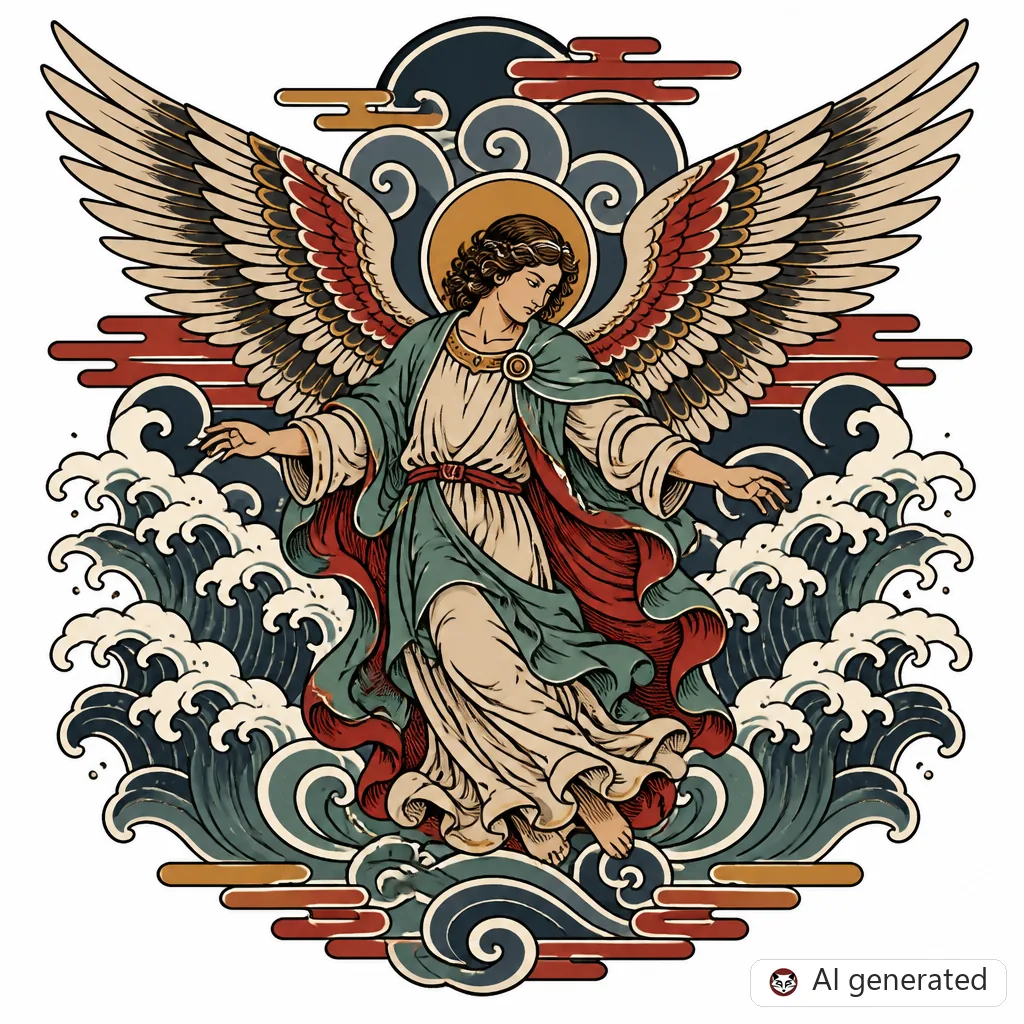
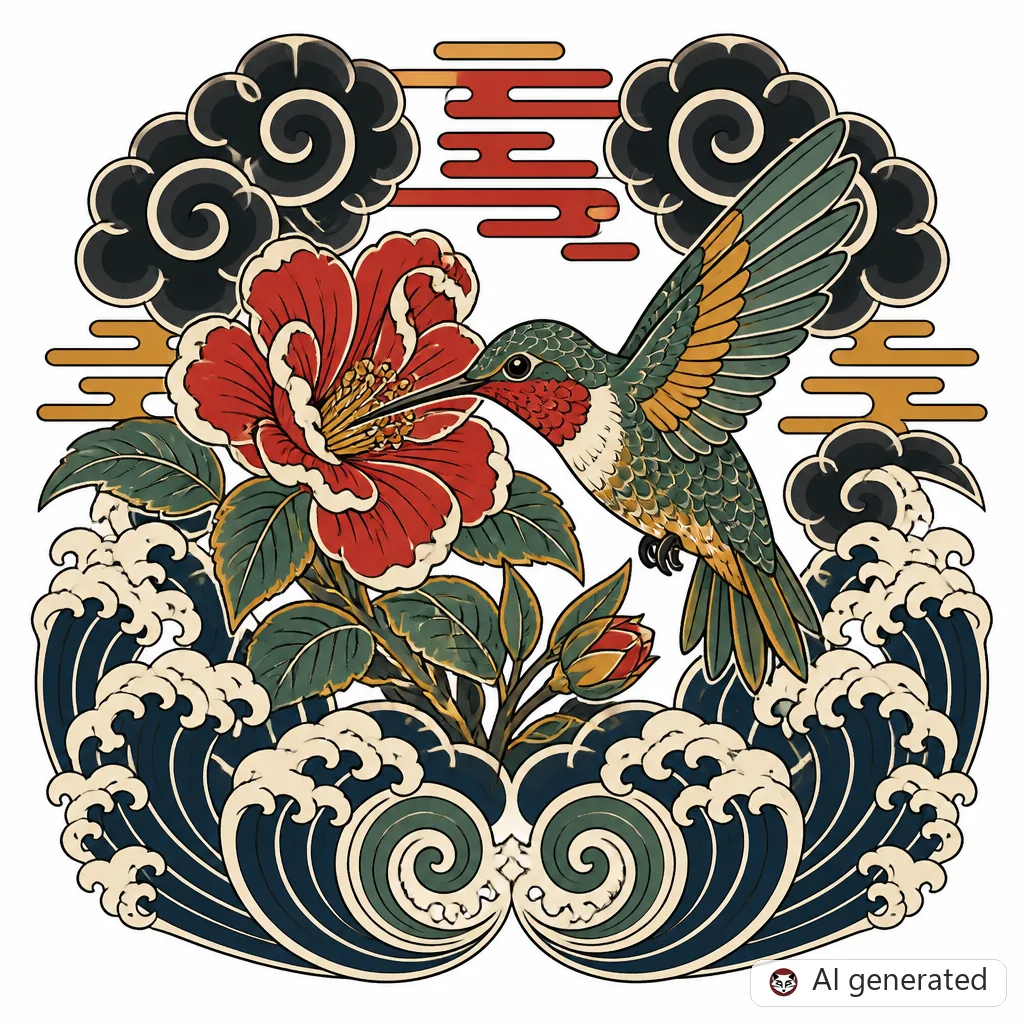
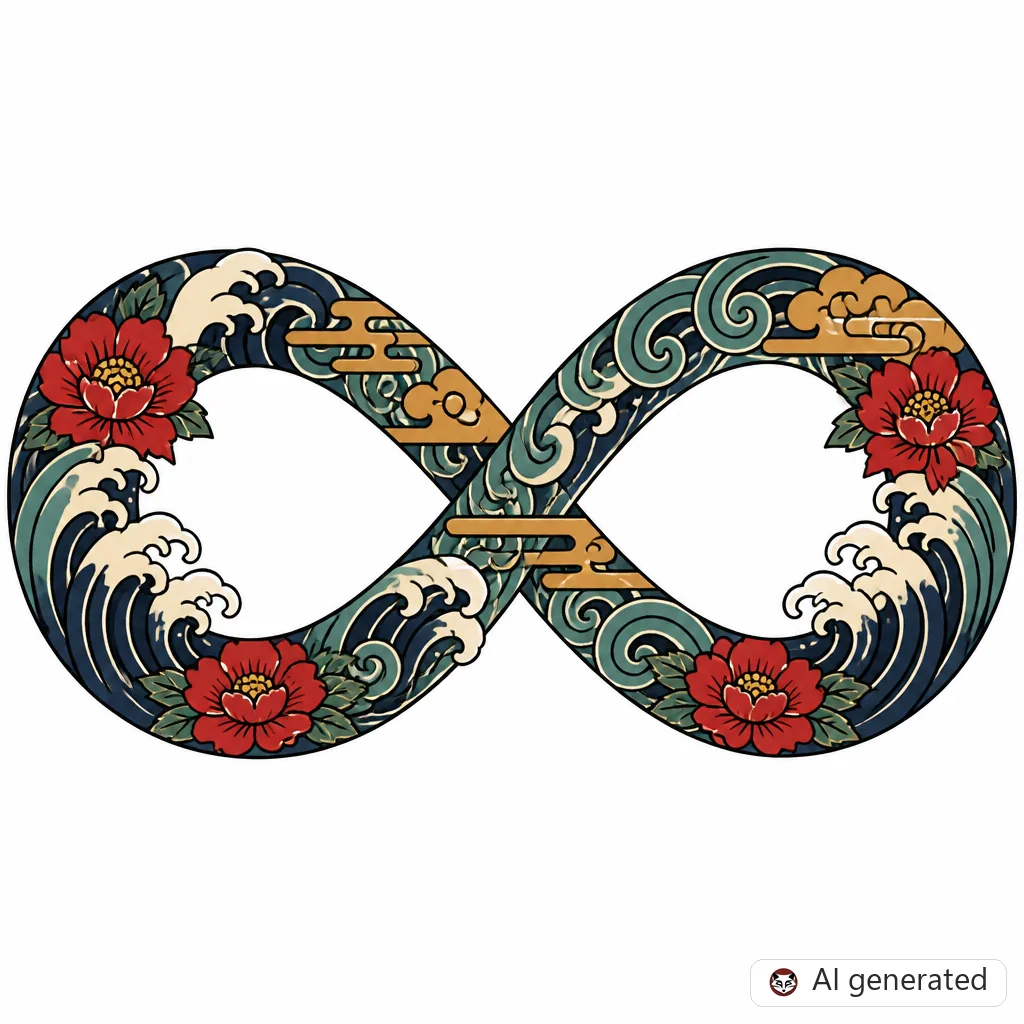
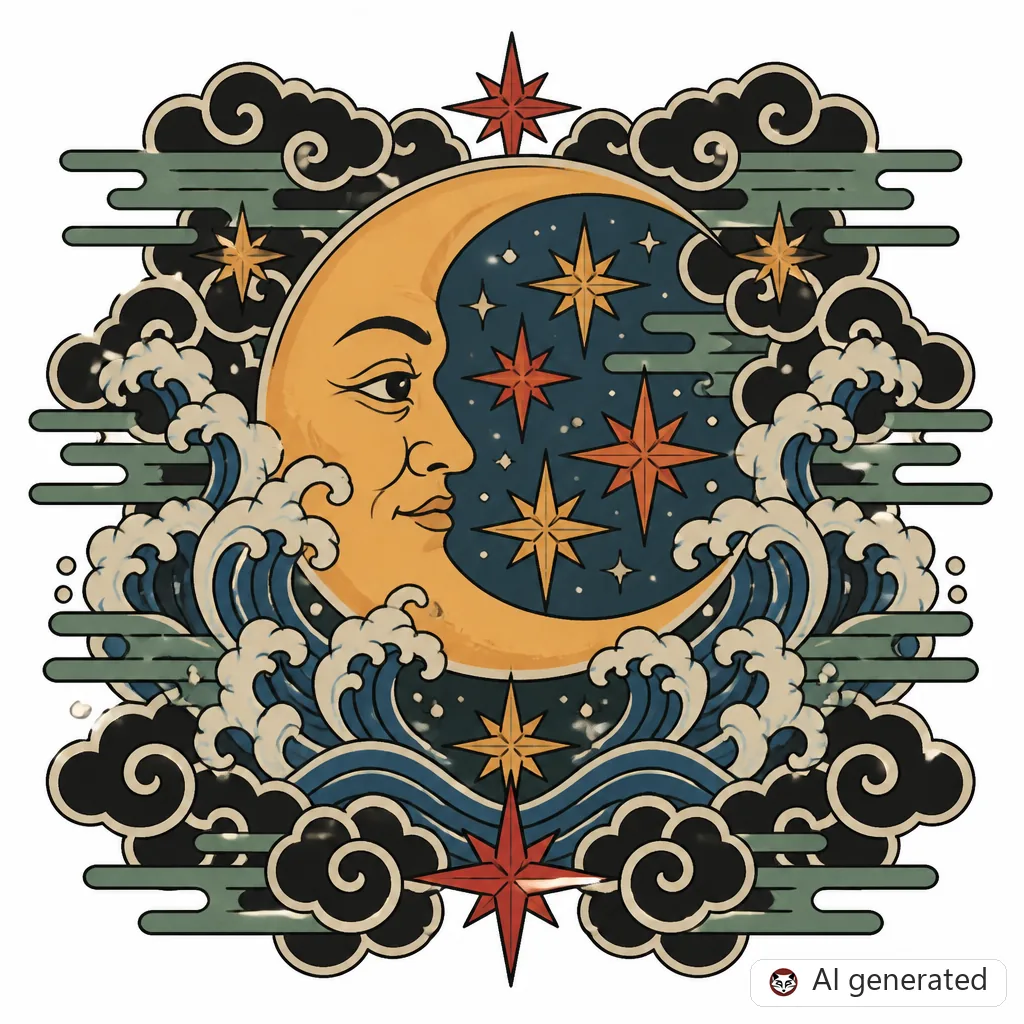
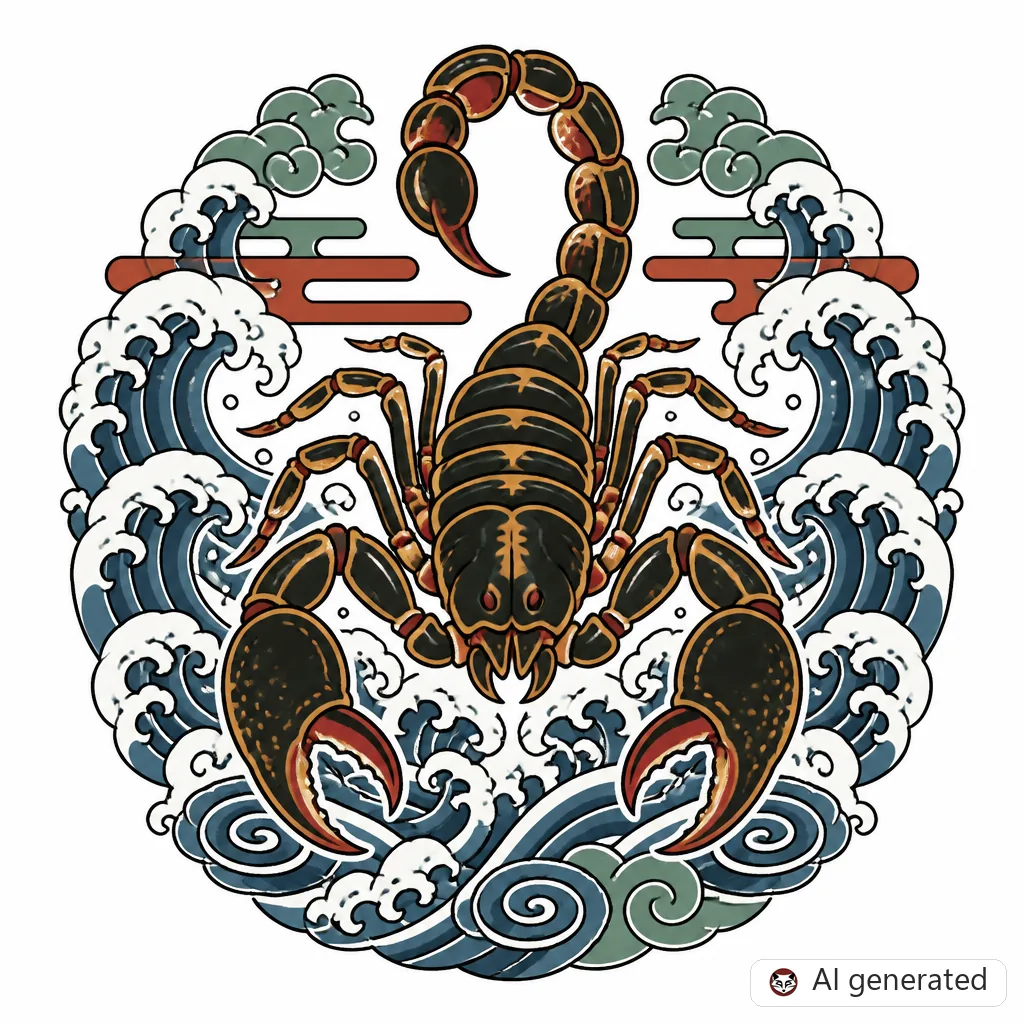
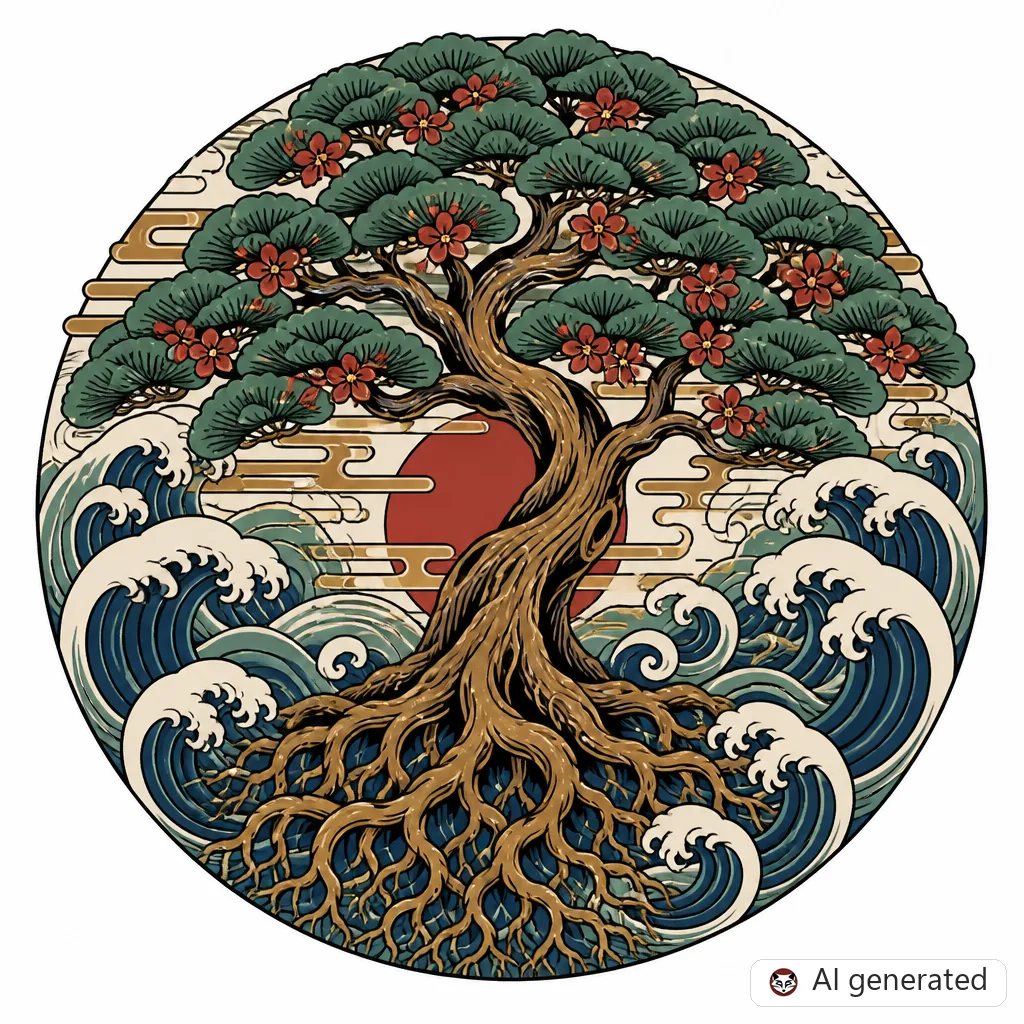
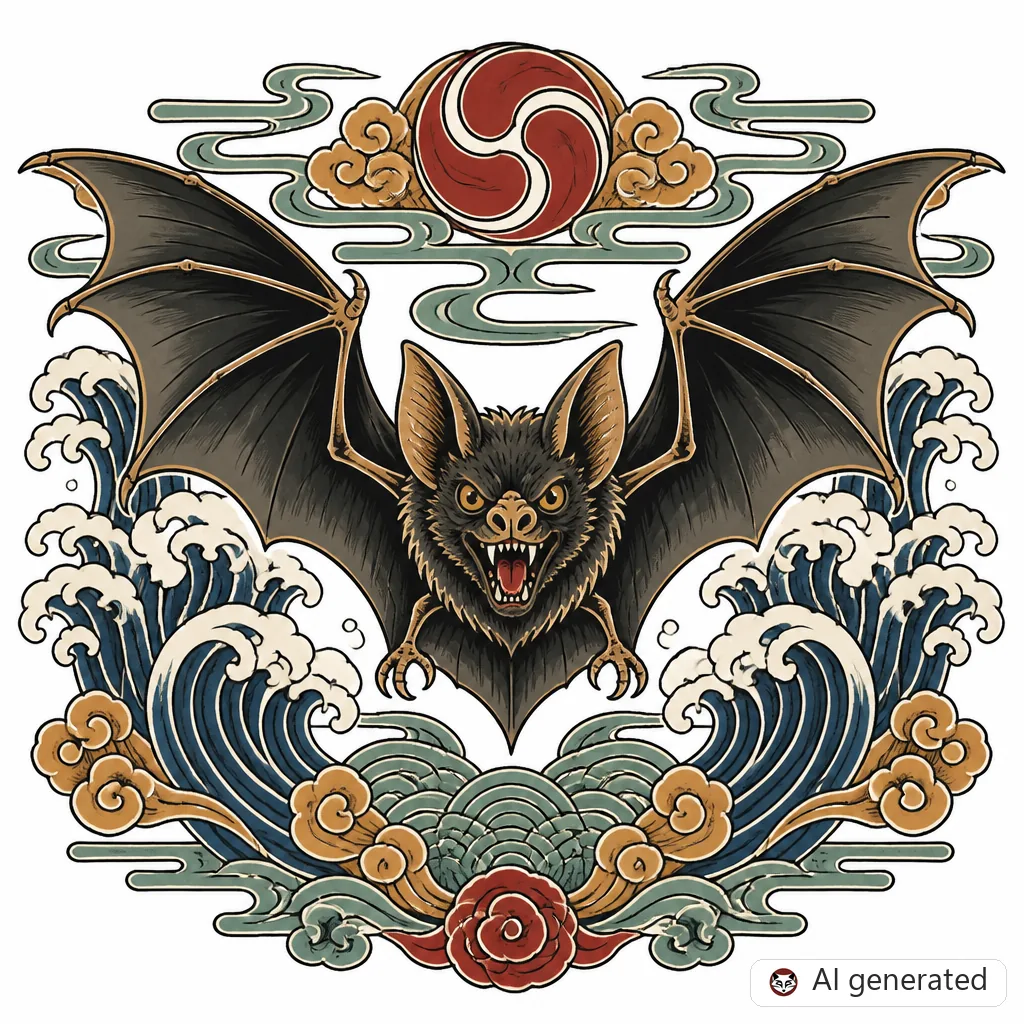
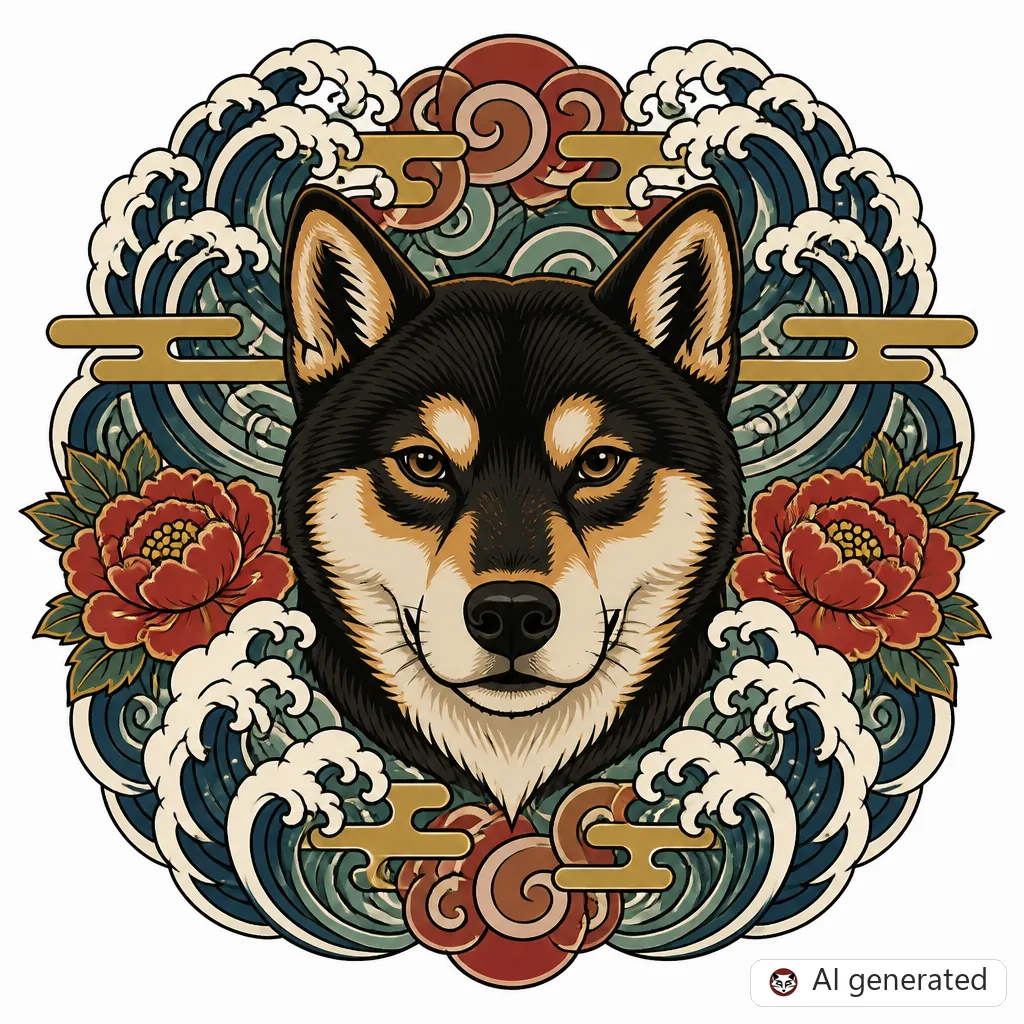
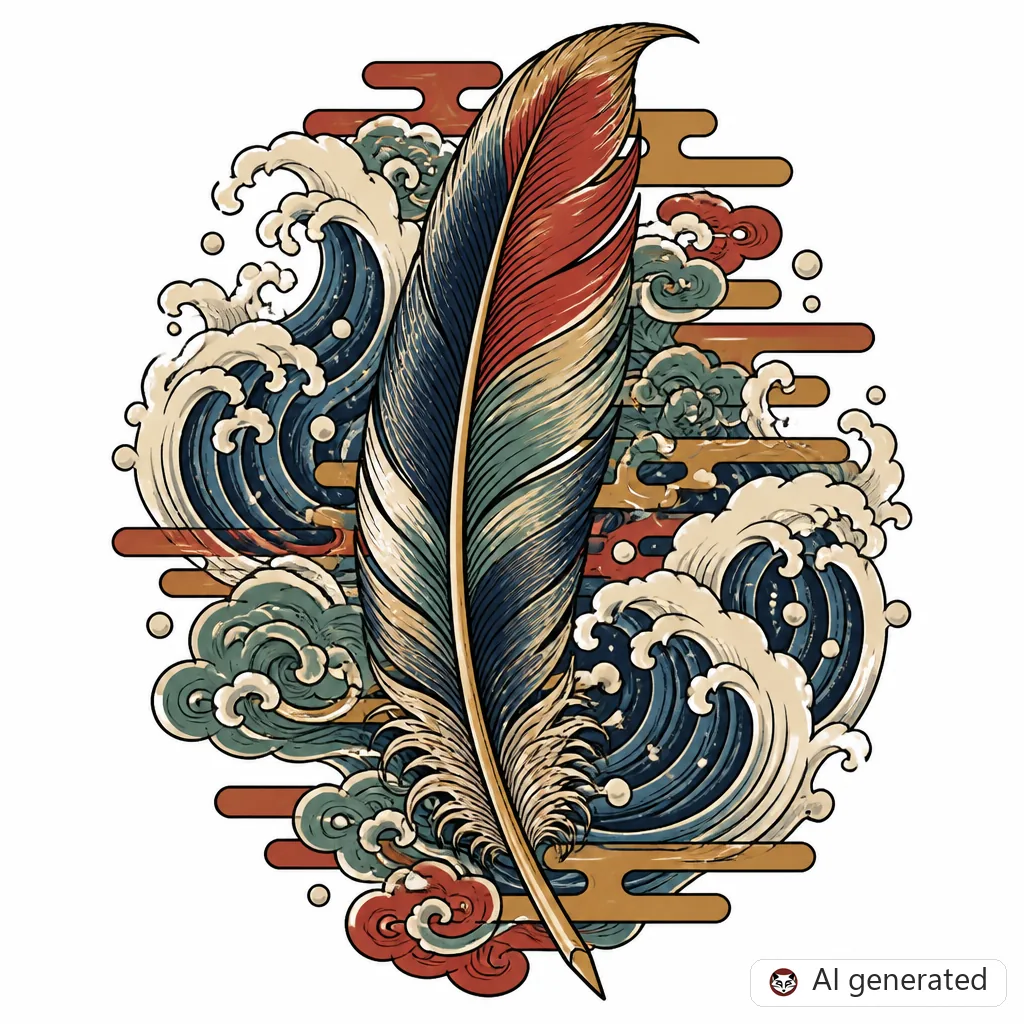
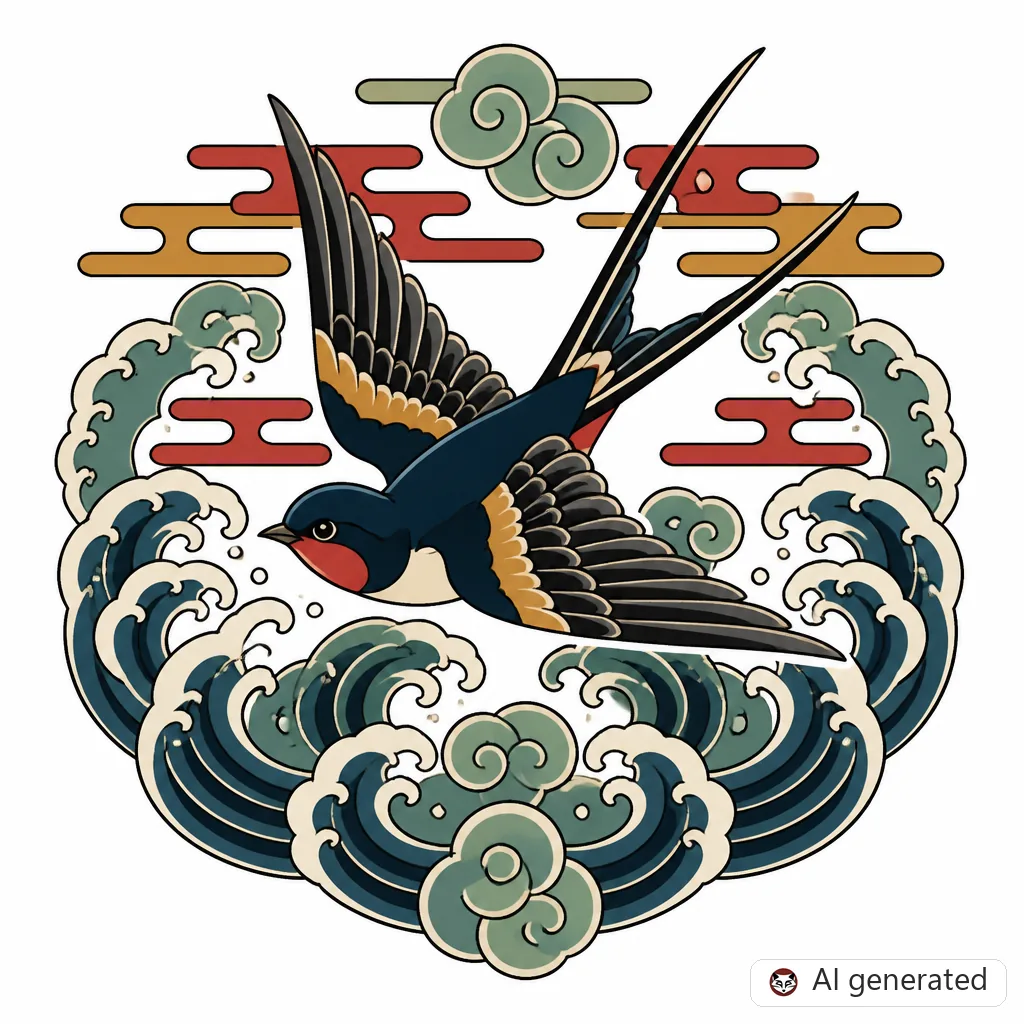
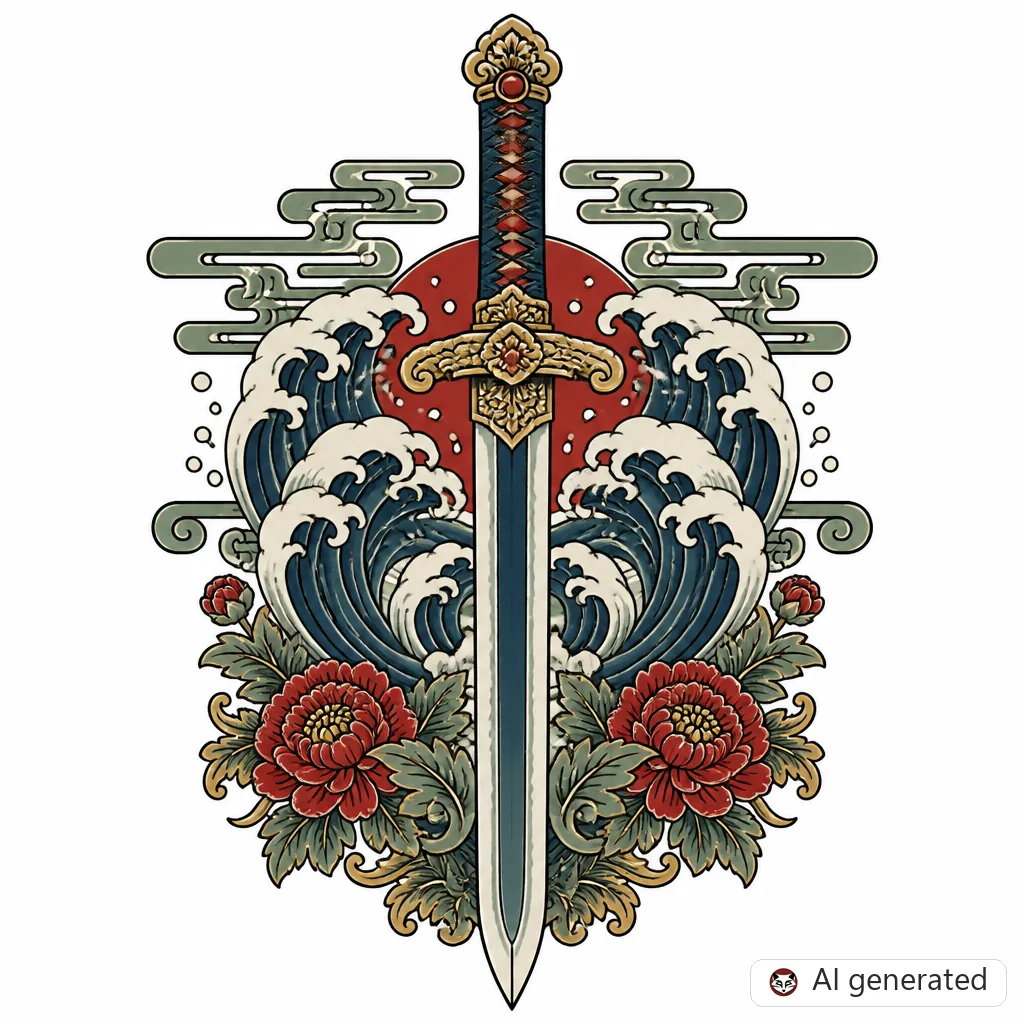
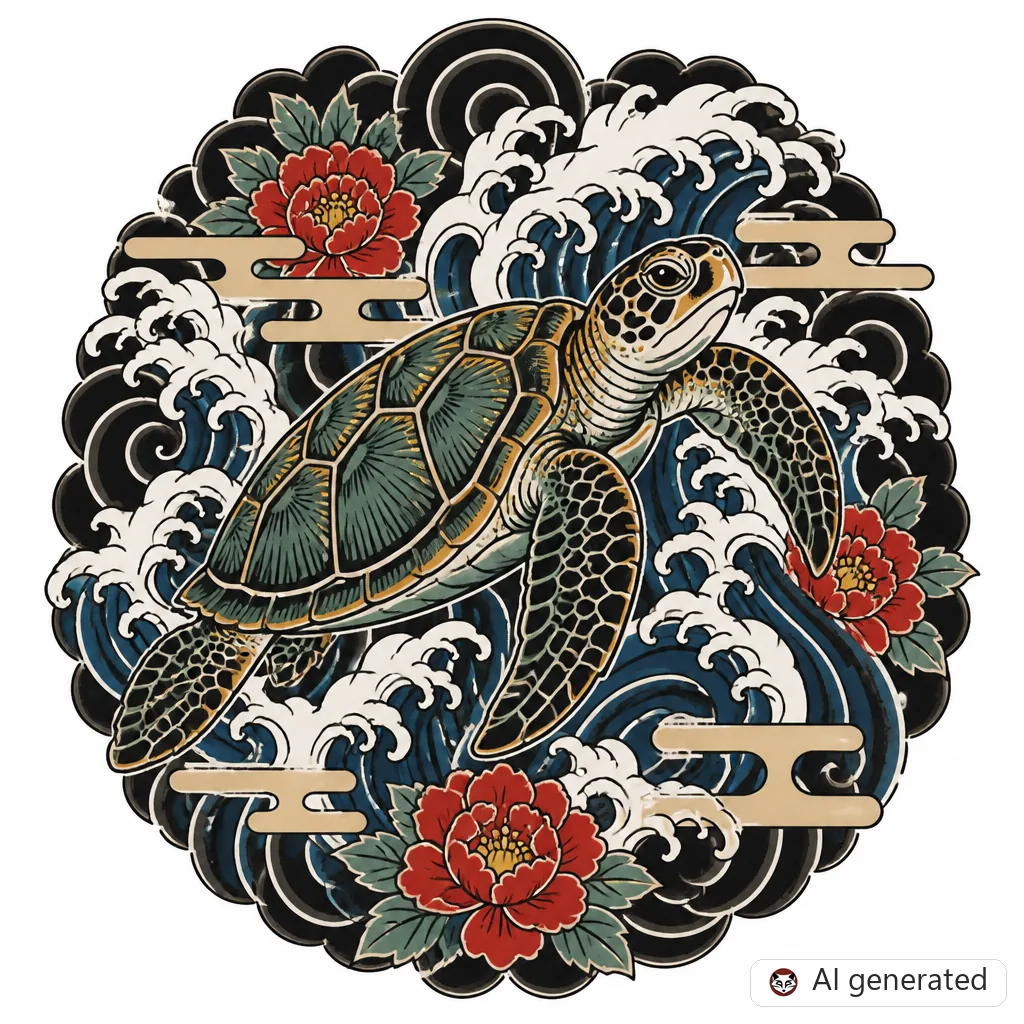
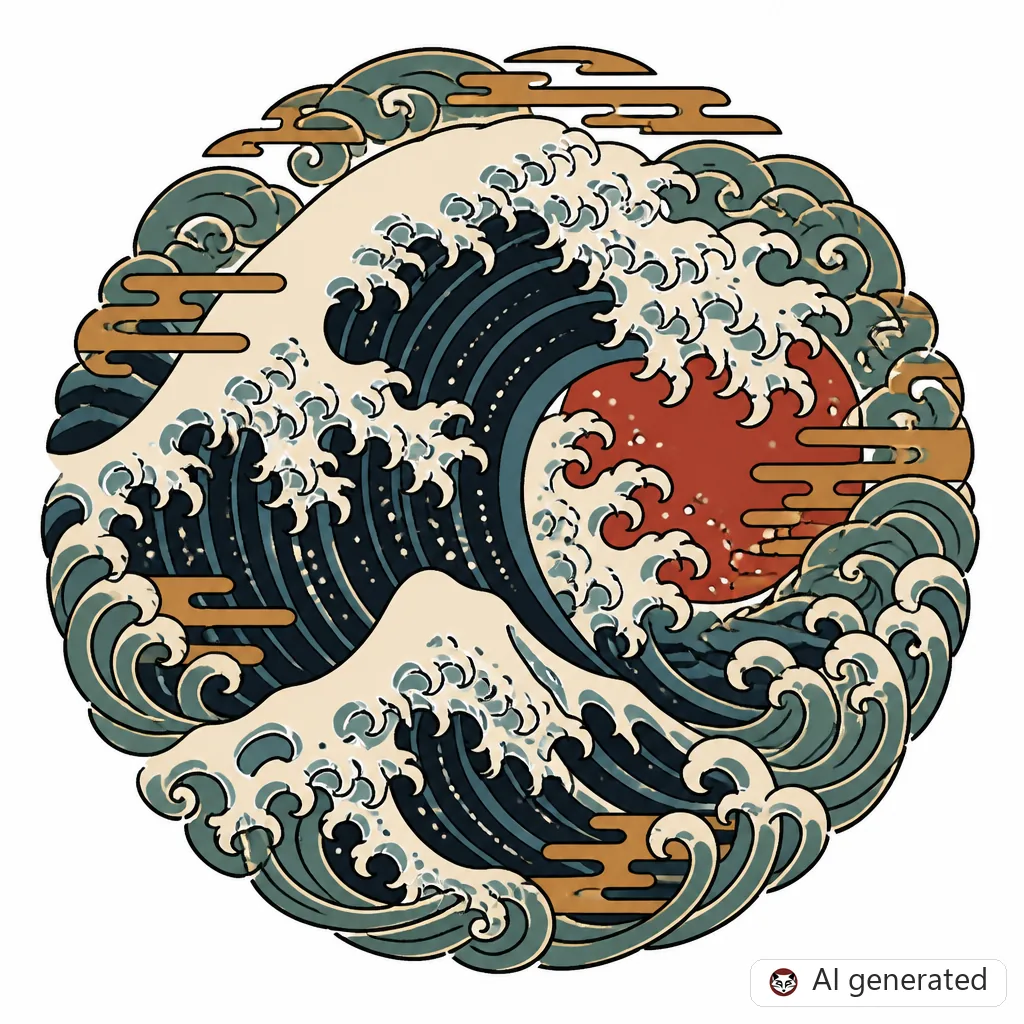
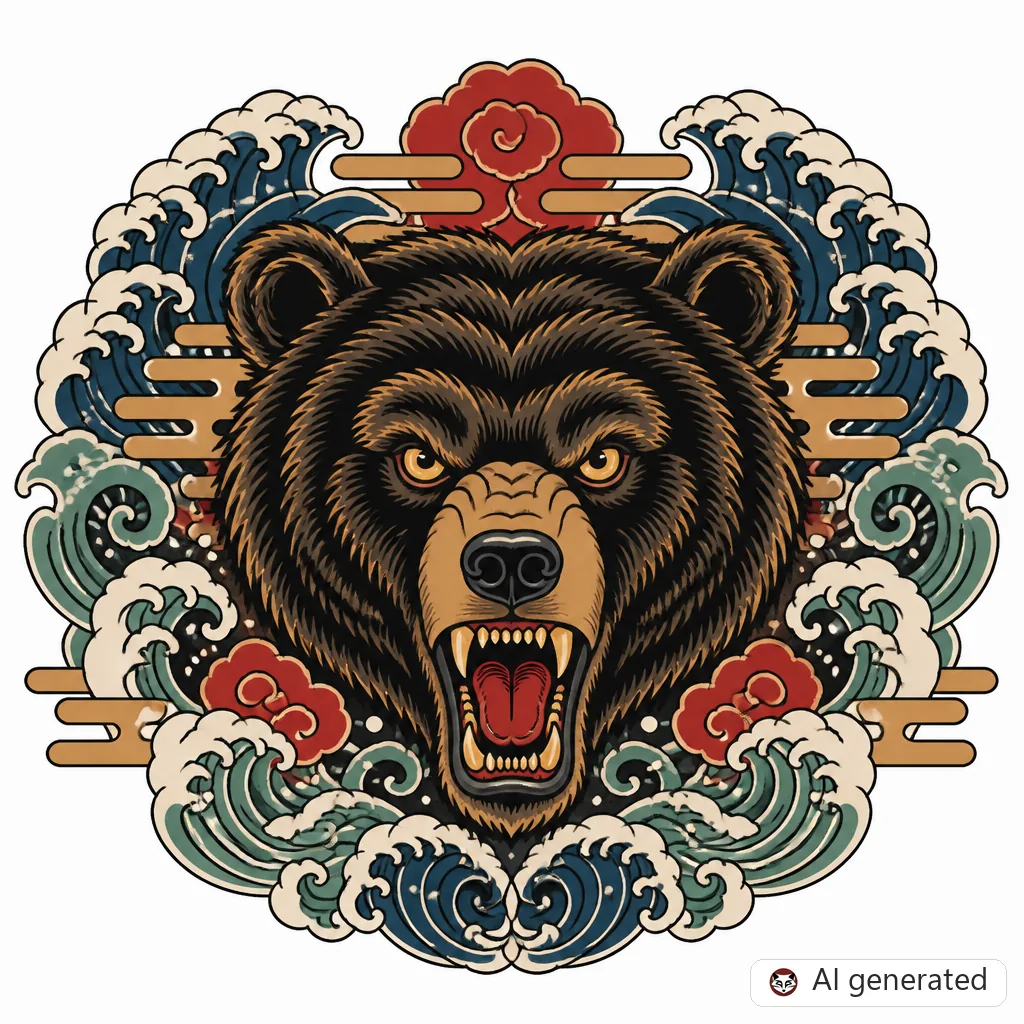
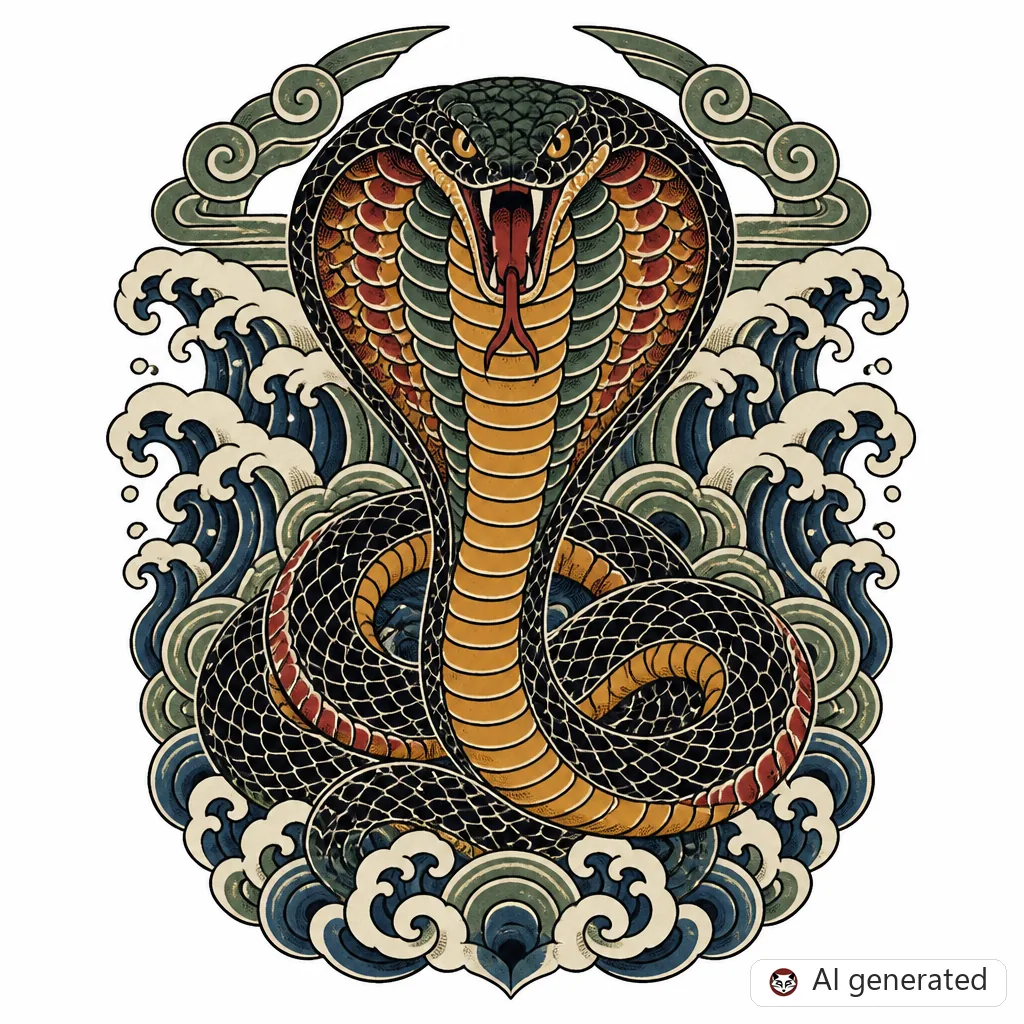
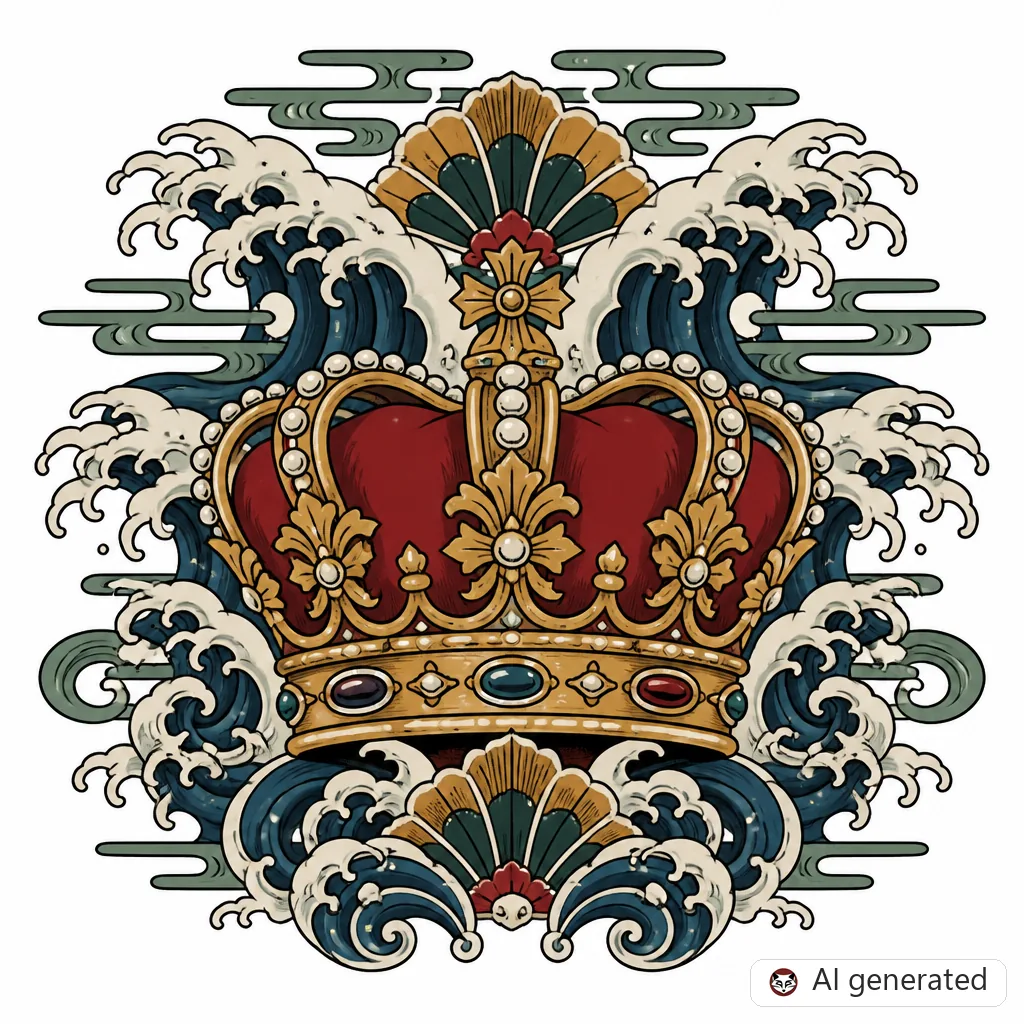
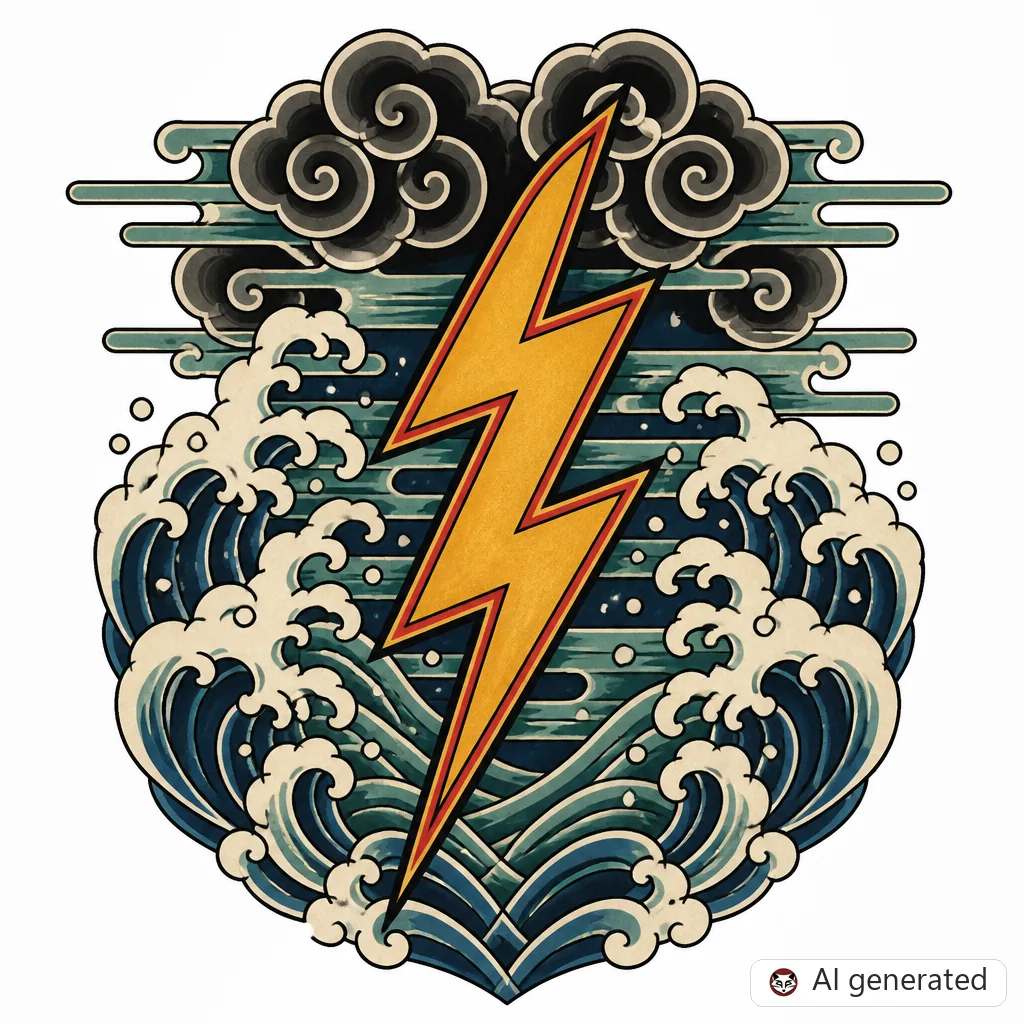
The traditional Japanese school: a bold-lined subject set into wind, water, smoke or flowers, composed for the body part rather than dropped onto it. The oldest large-format tradition in tattooing, and still the standard for sleeves and back pieces.
Two things set irezumi apart. The first is composition: a Japanese piece is designed as subject plus background, and the background, the wind bars, the waves, the scattered blossoms, is what ties the work to the muscle underneath and keeps it legible at ten paces. That is why the style struggles at small sizes: strip the background away and you have a motif, not irezumi. The second is that the vocabulary is codified. Dragons, koi, hannya masks, peonies and tigers carry conventional pairings and readings inside the tradition, and artists who work in it take those conventions seriously. You do not have to, a dragon can just be a dragon, but if the cultural layer matters to you it rewards reading about before you commit. Practically: think in terms of a forearm at minimum, and expect an artist who specialises. It is not a style most generalists do well.
Every motif in Japanese (Irezumi)
111 motifs, each drawn once in this style. Open a design to see it large, or follow the motif through all twenty-three styles.
-
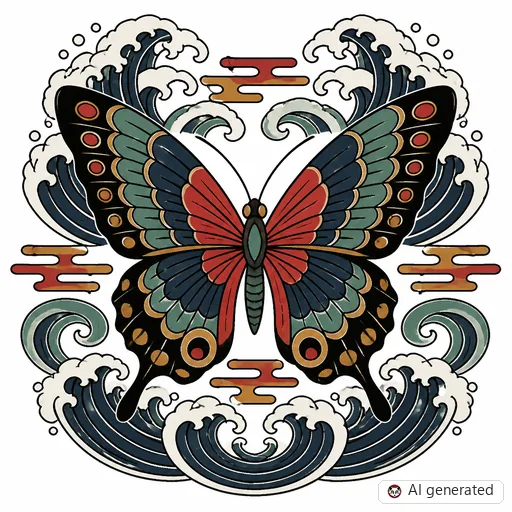
Butterfly -
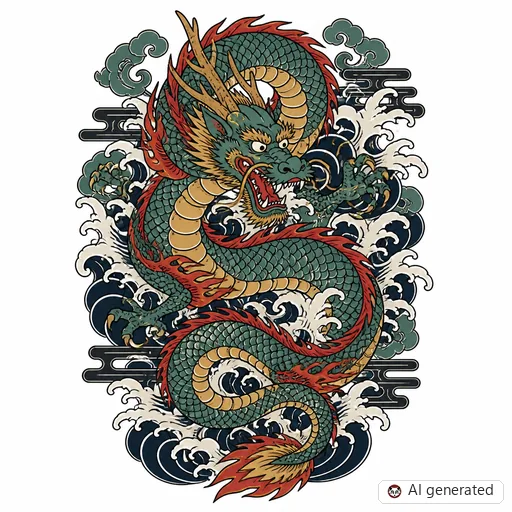
Dragon -
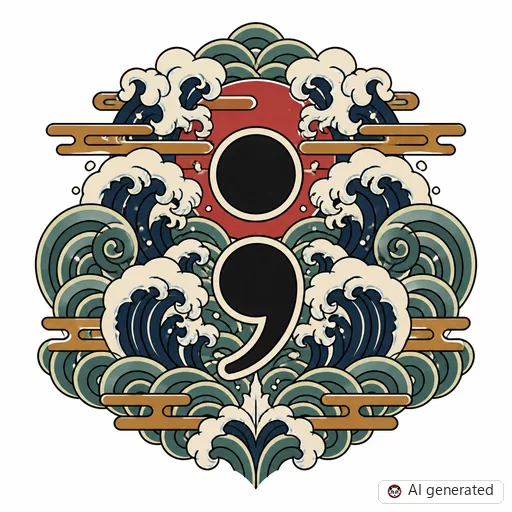
Semicolon -
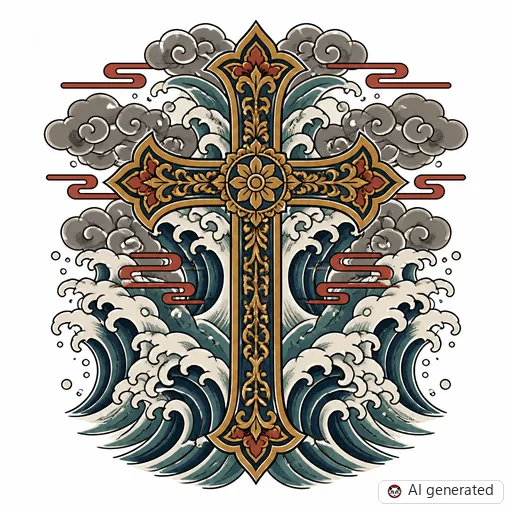
Cross -
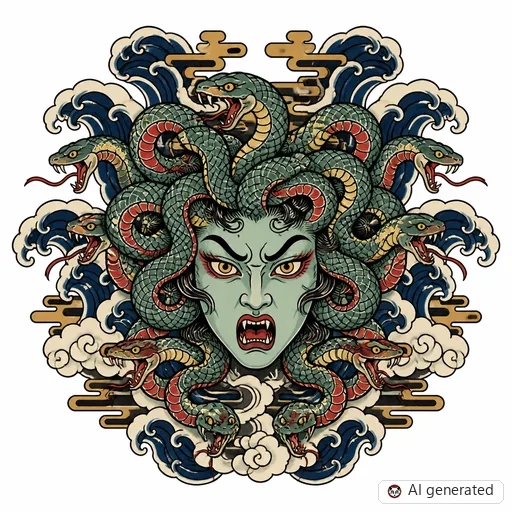
Medusa -
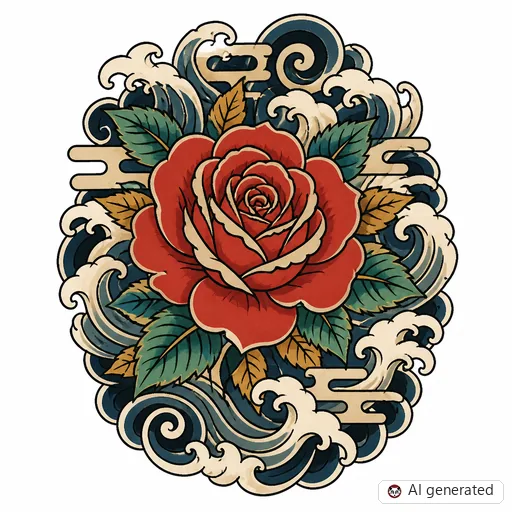
Rose -
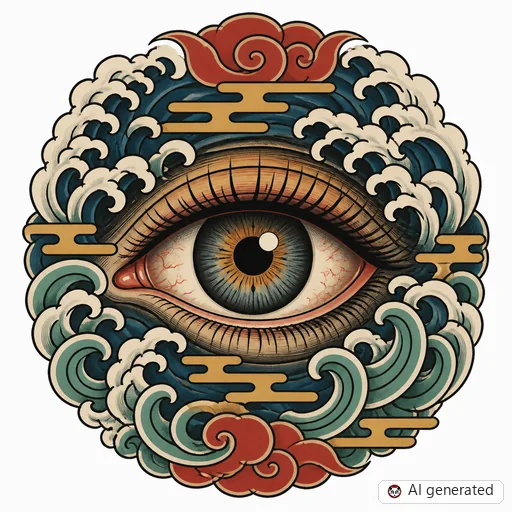
Eye -
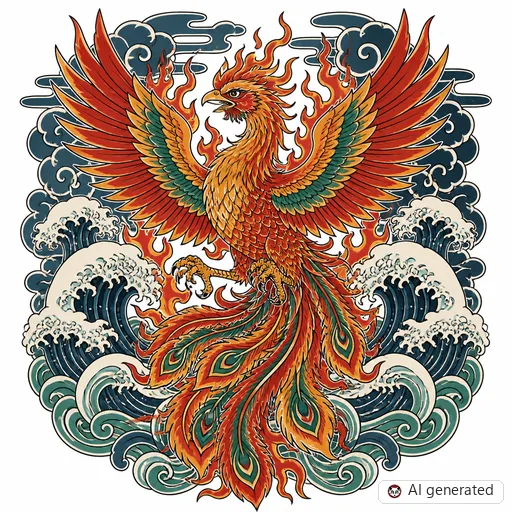
Phoenix -
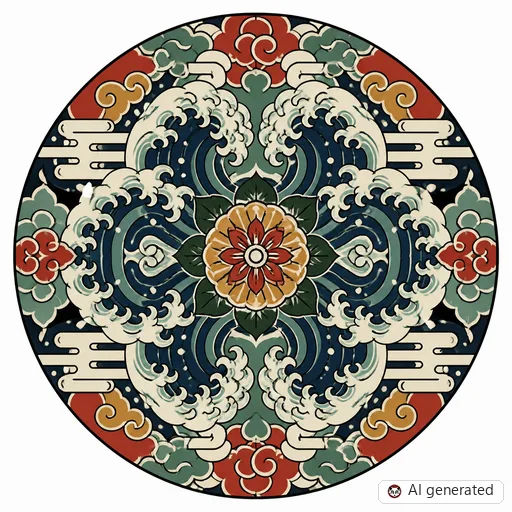
Mandala -
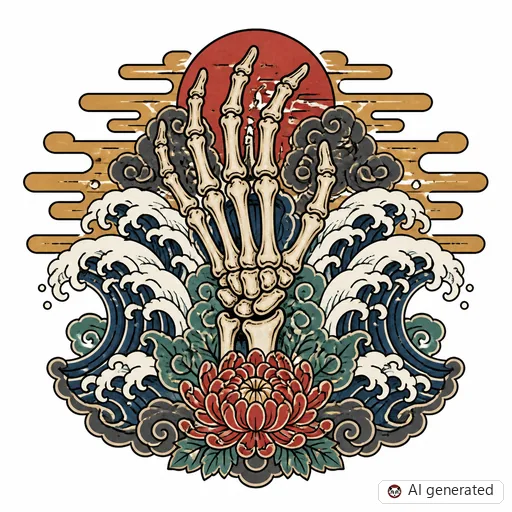
Skeleton hand -
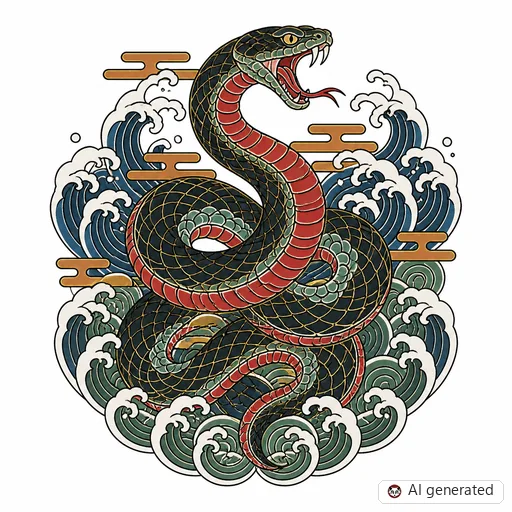
Snake -
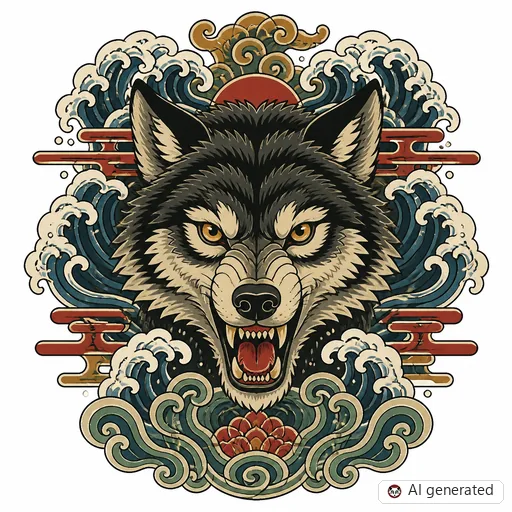
Wolf -
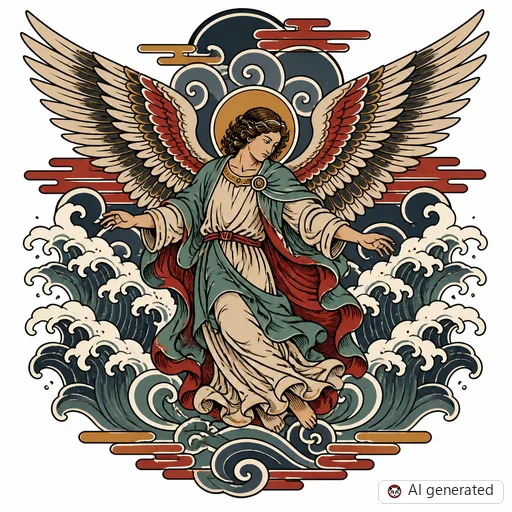
Angel -
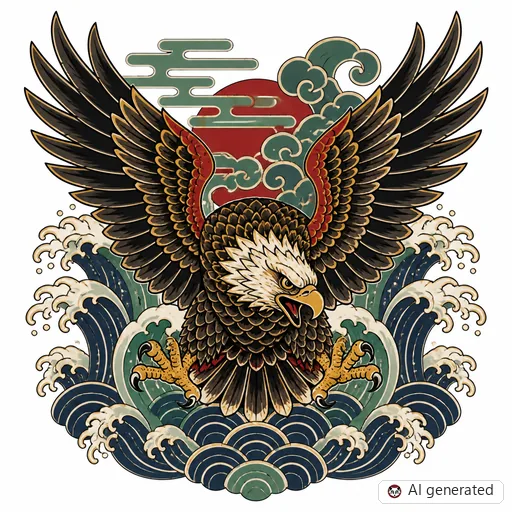
Eagle -
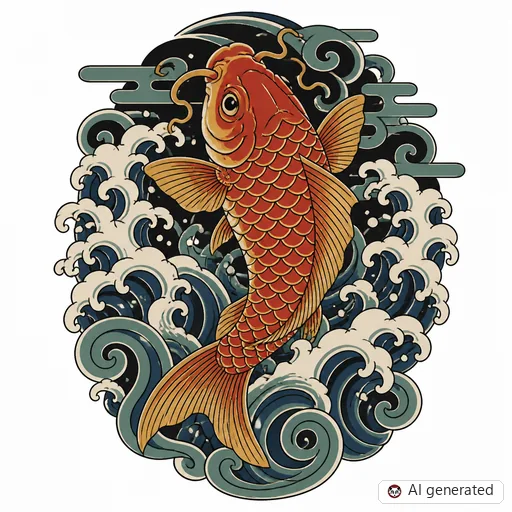
Koi fish -
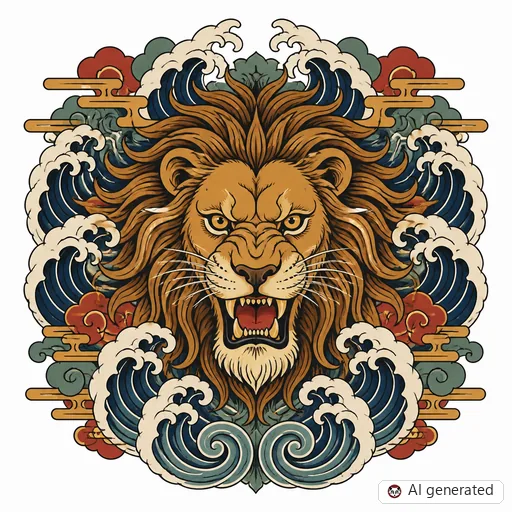
Lion -
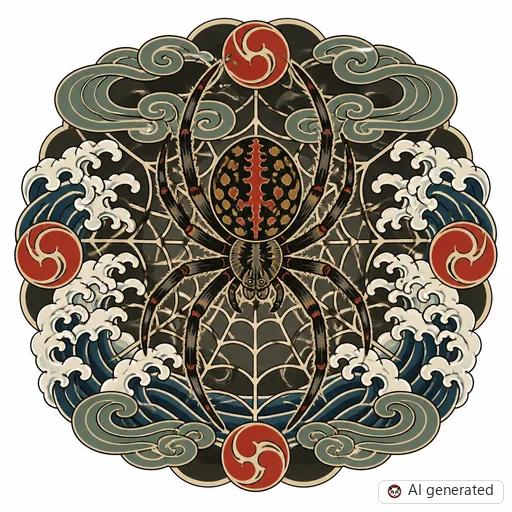
Spider -
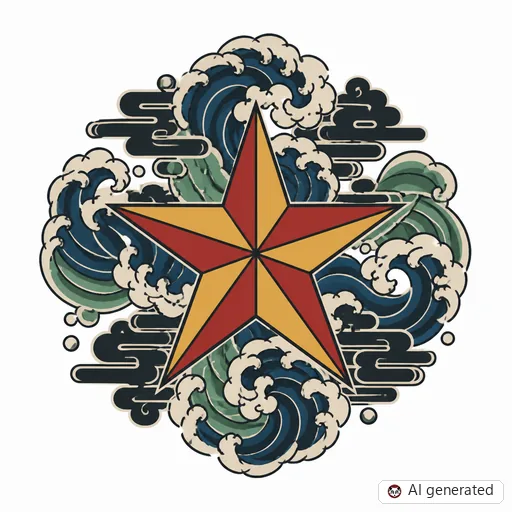
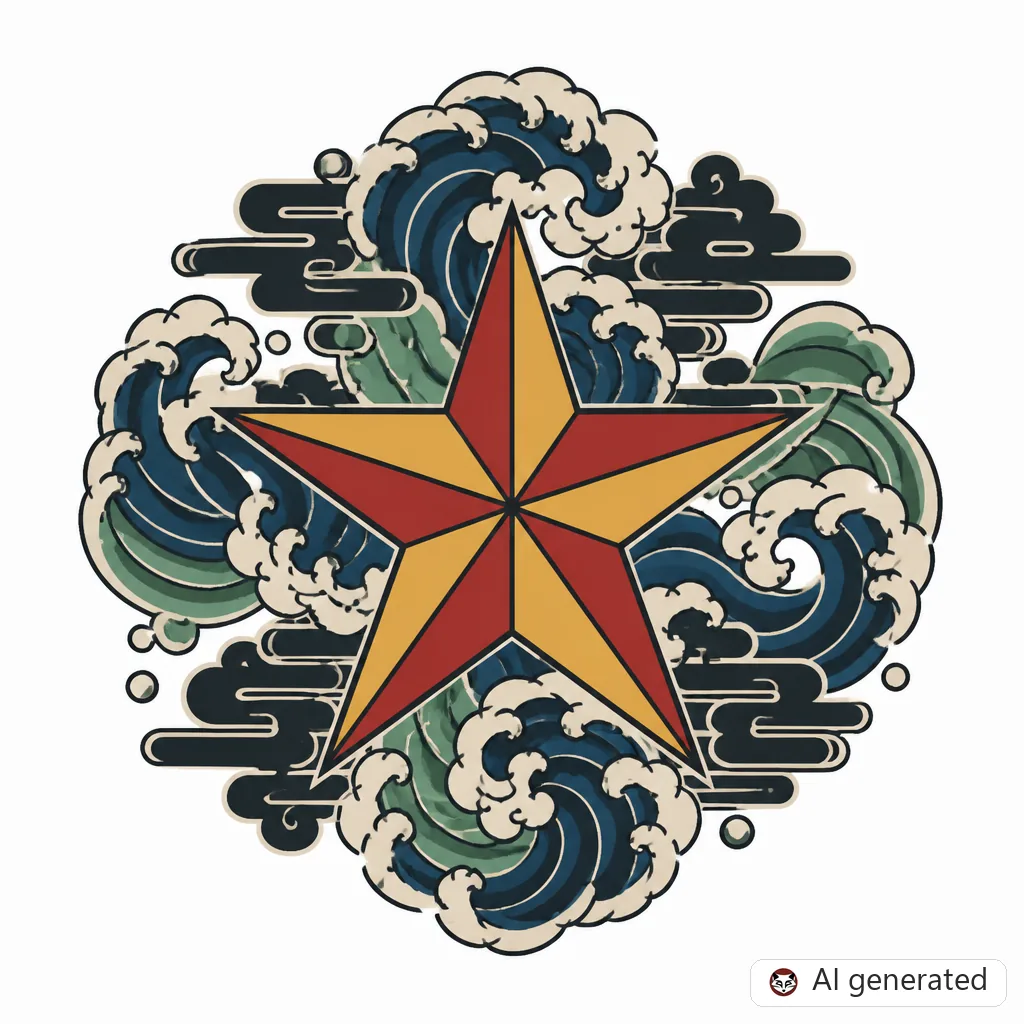
Star -
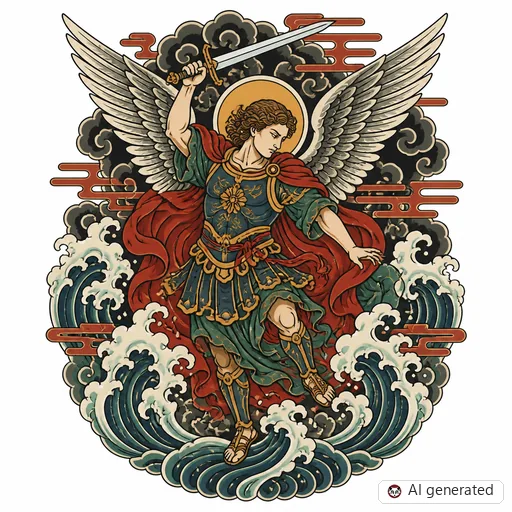
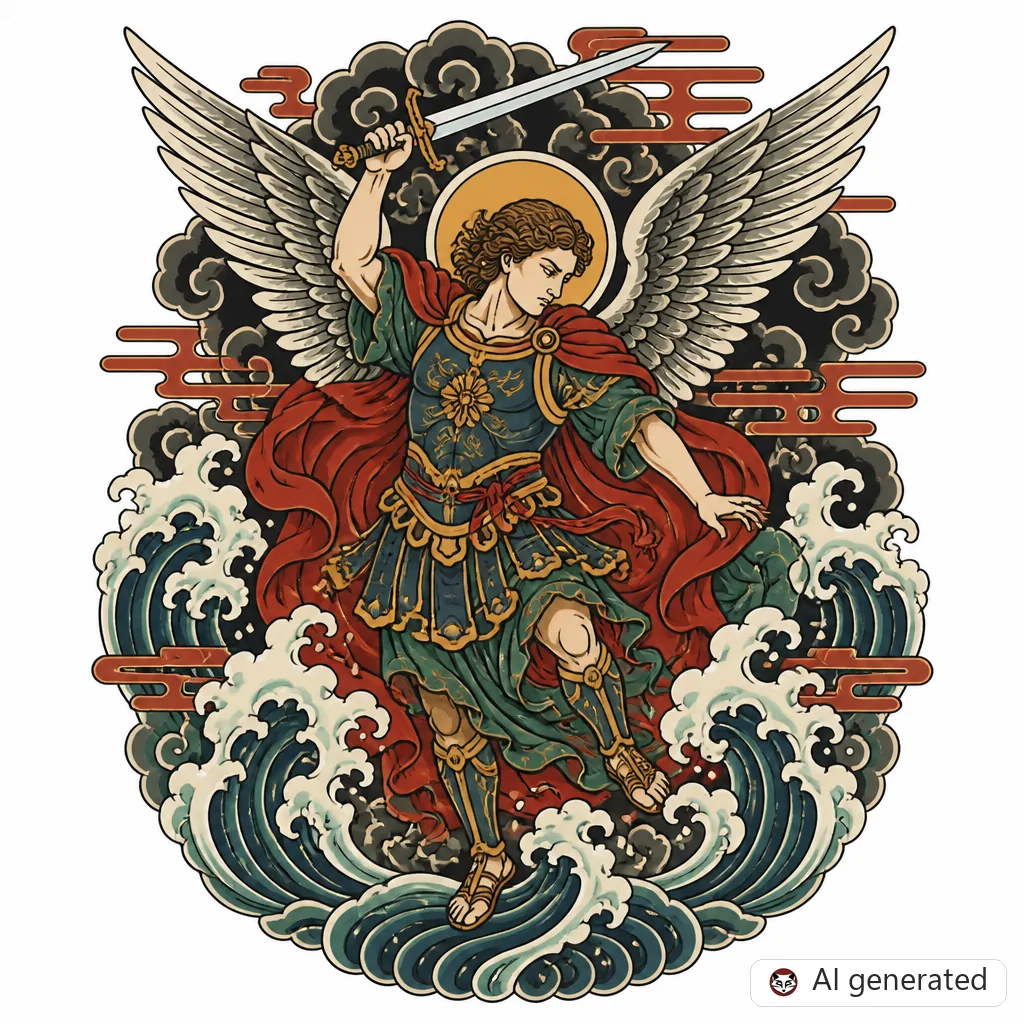
Archangel -
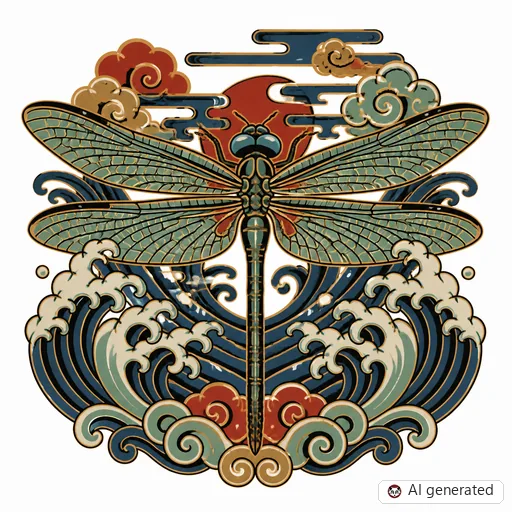
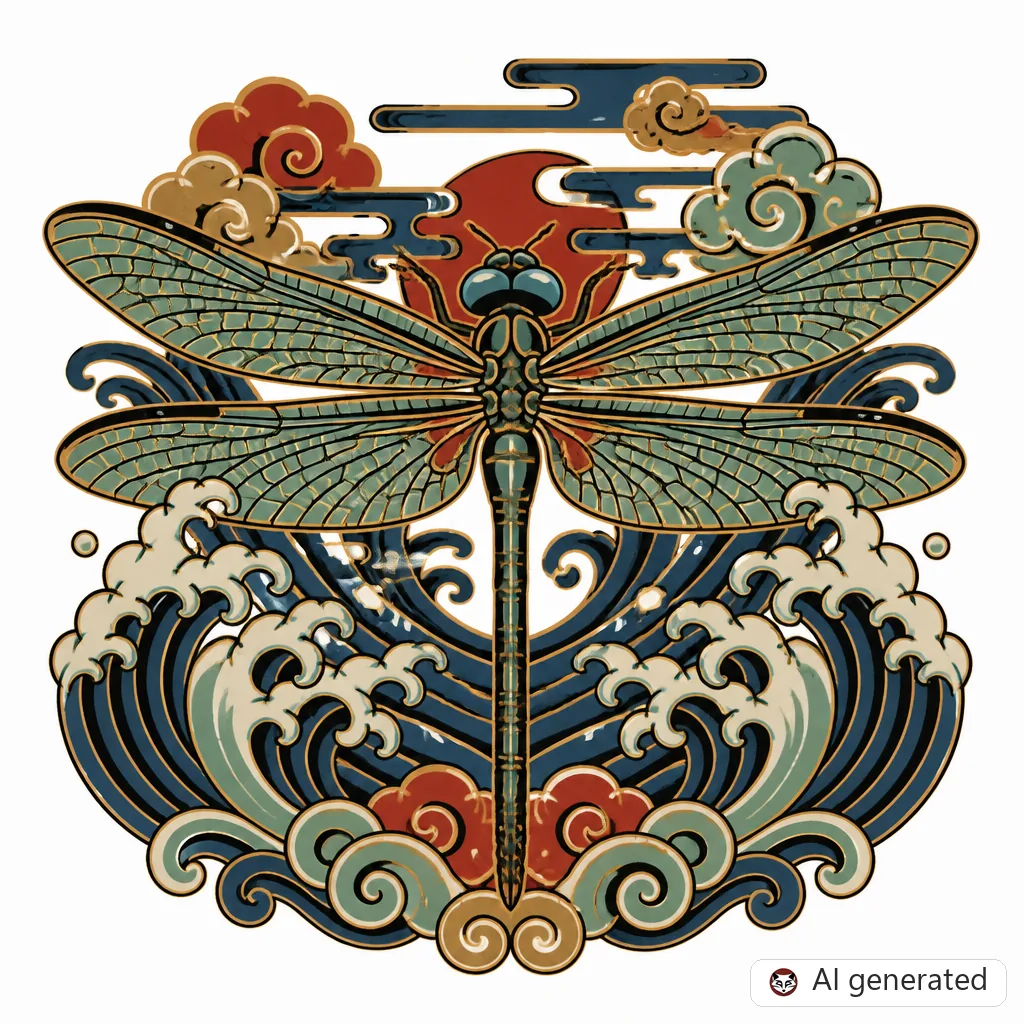
Dragonfly -
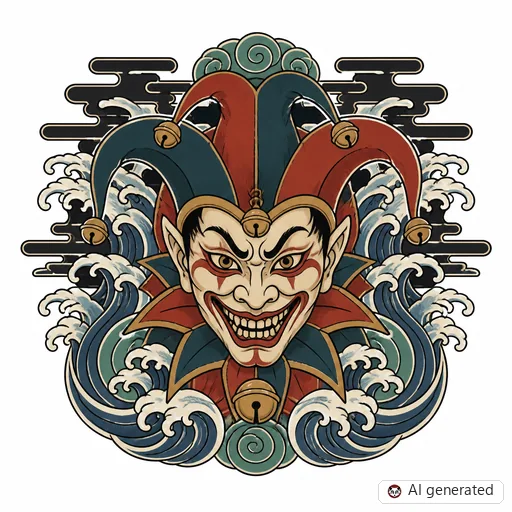
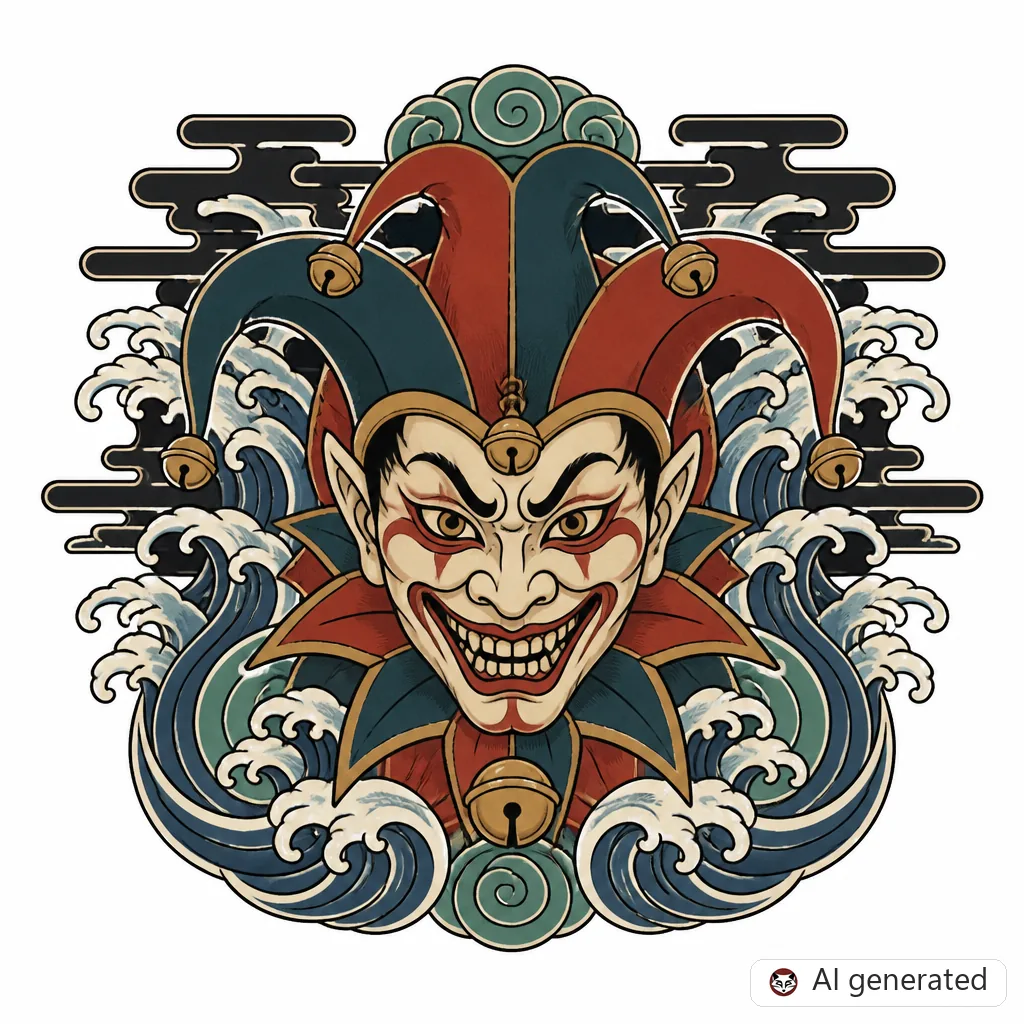
Joker -
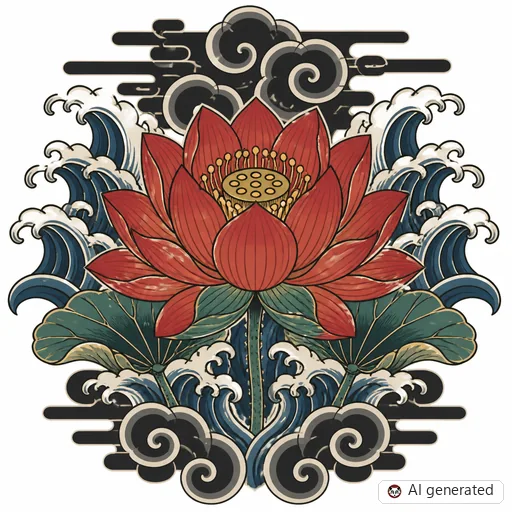
Lotus flower -
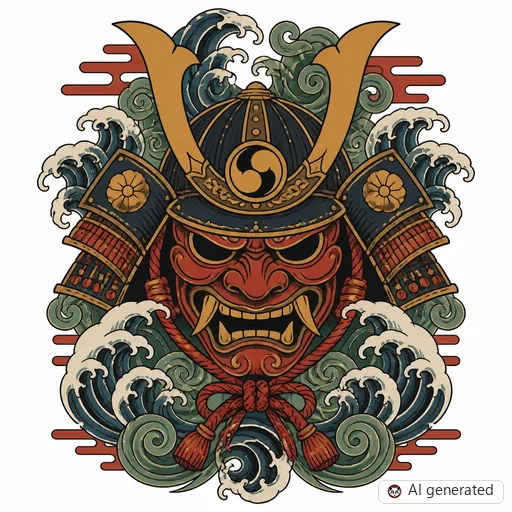
Samurai -
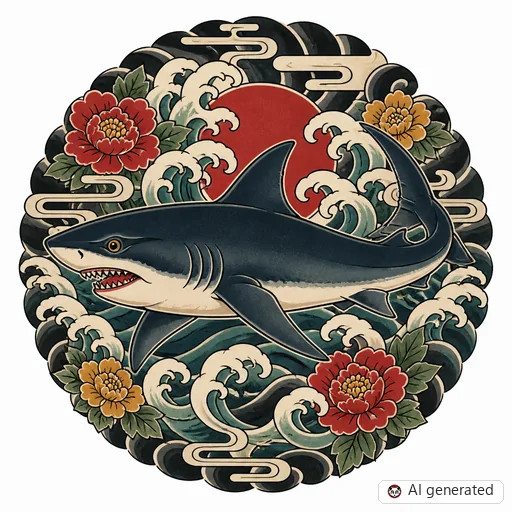
Shark -
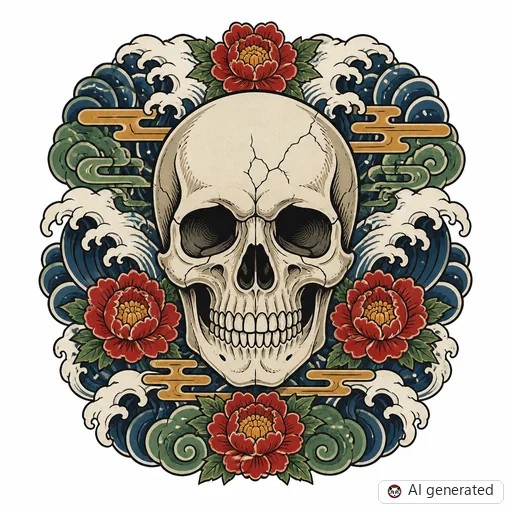
Skull -
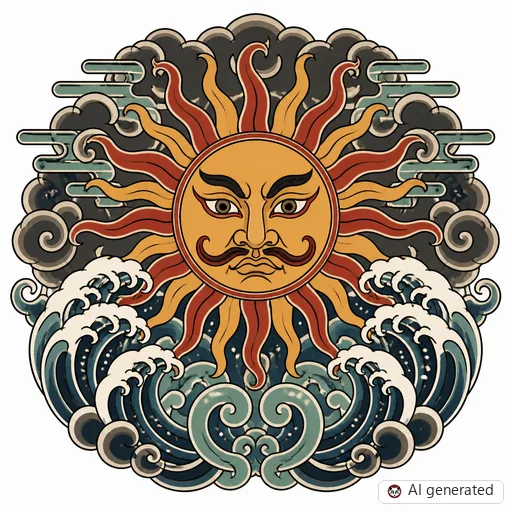
Sun -
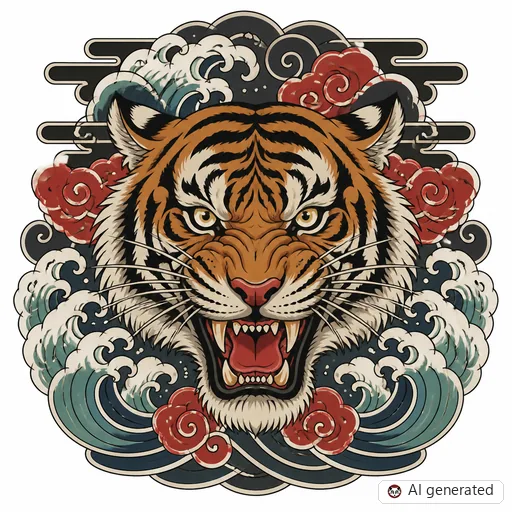
Tiger -
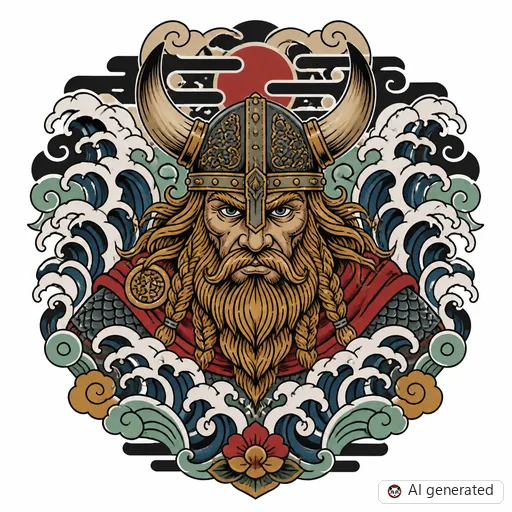
Viking -
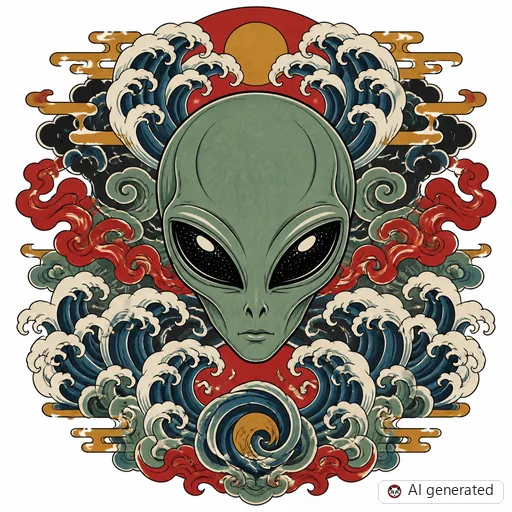
Alien -
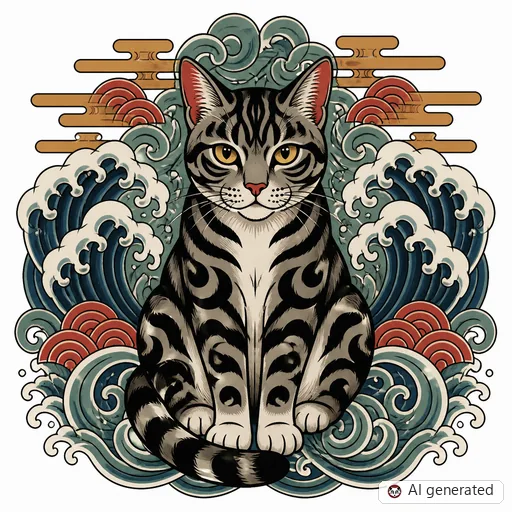
Cat -
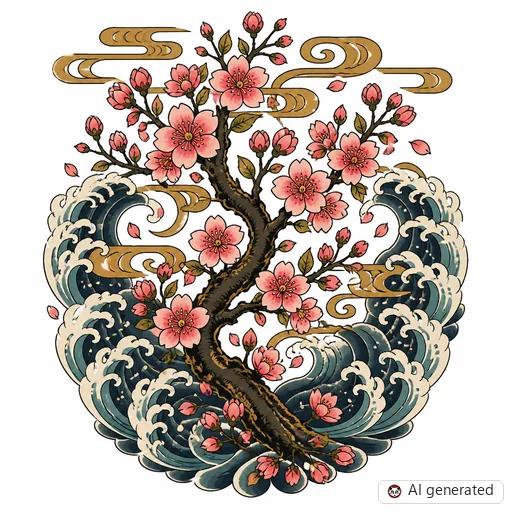
Cherry blossom -
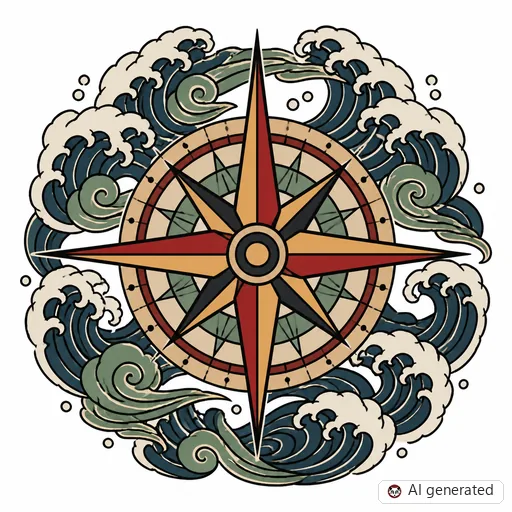
Compass -
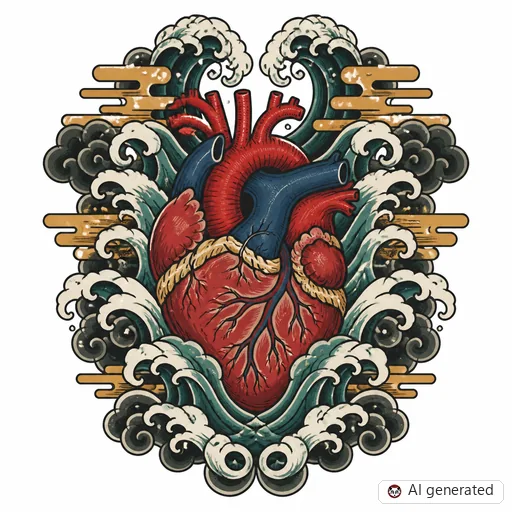
Heart -
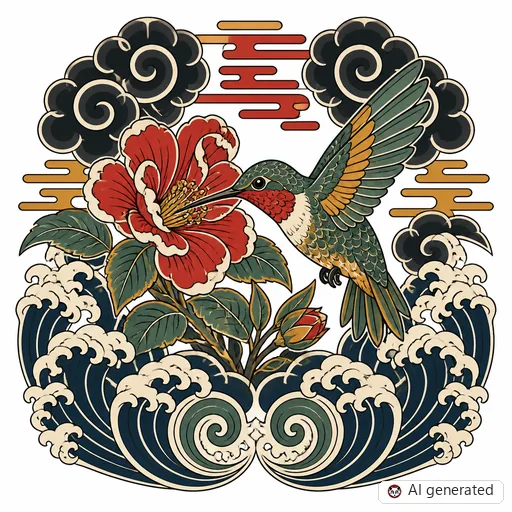
Hummingbird -
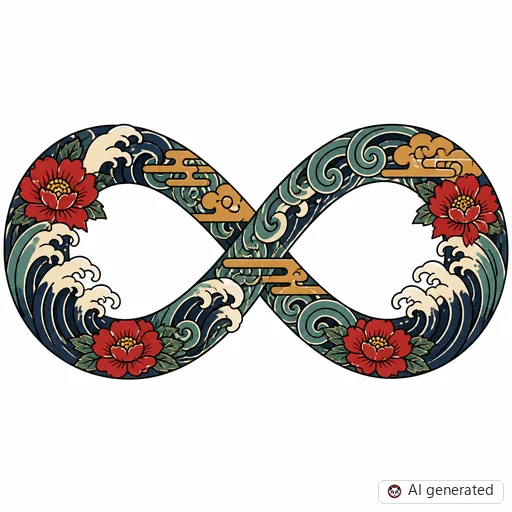
Infinity -
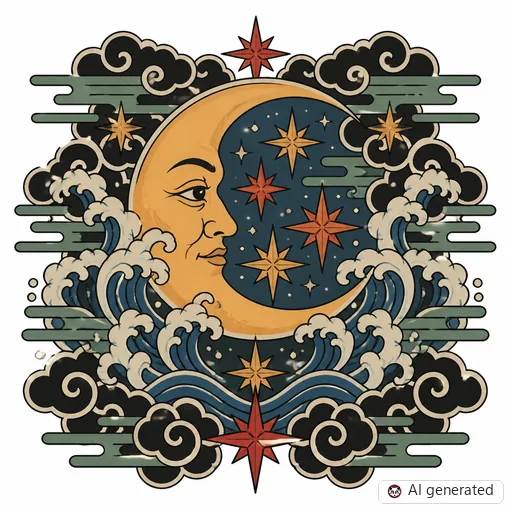
Moon -
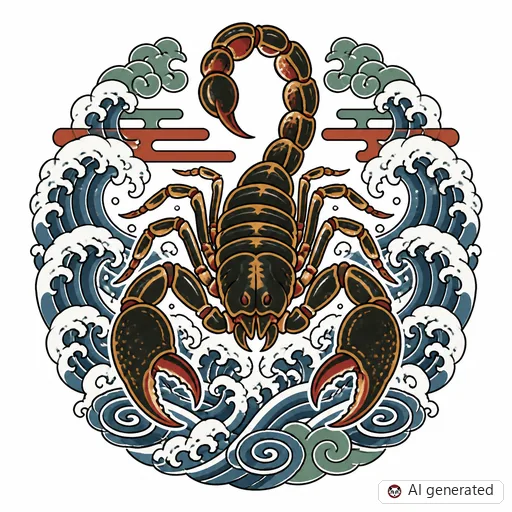
Scorpion -
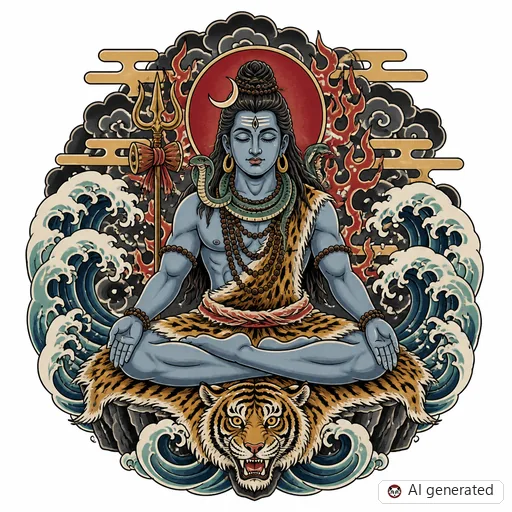
Shiva -
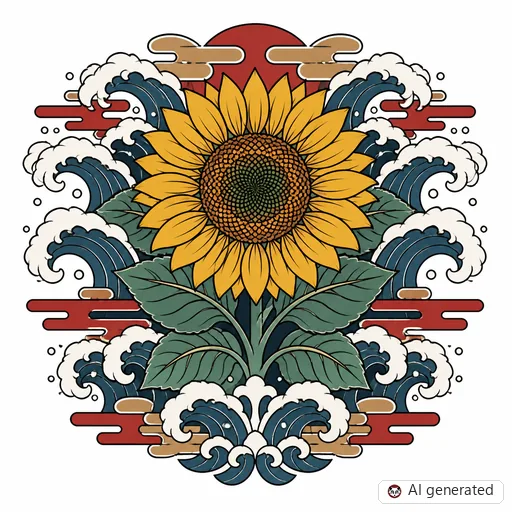
Sunflower -
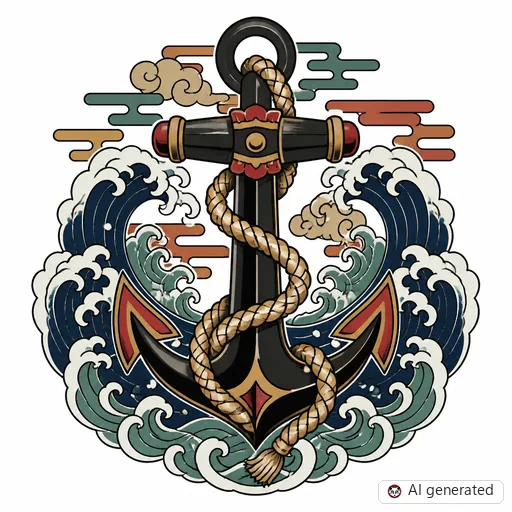
Anchor -
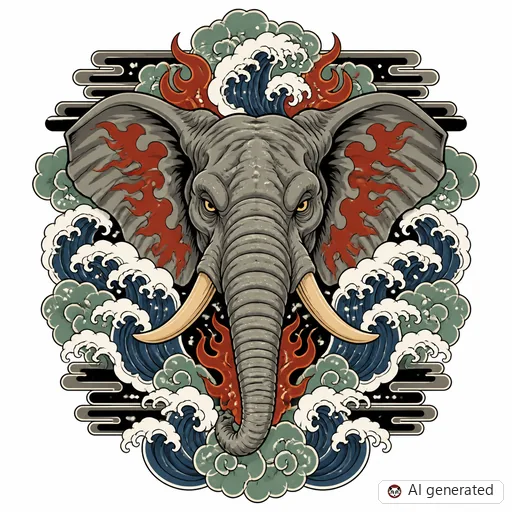
Elephant -
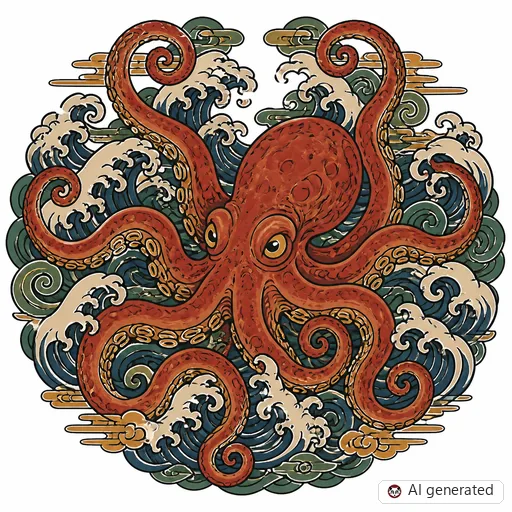
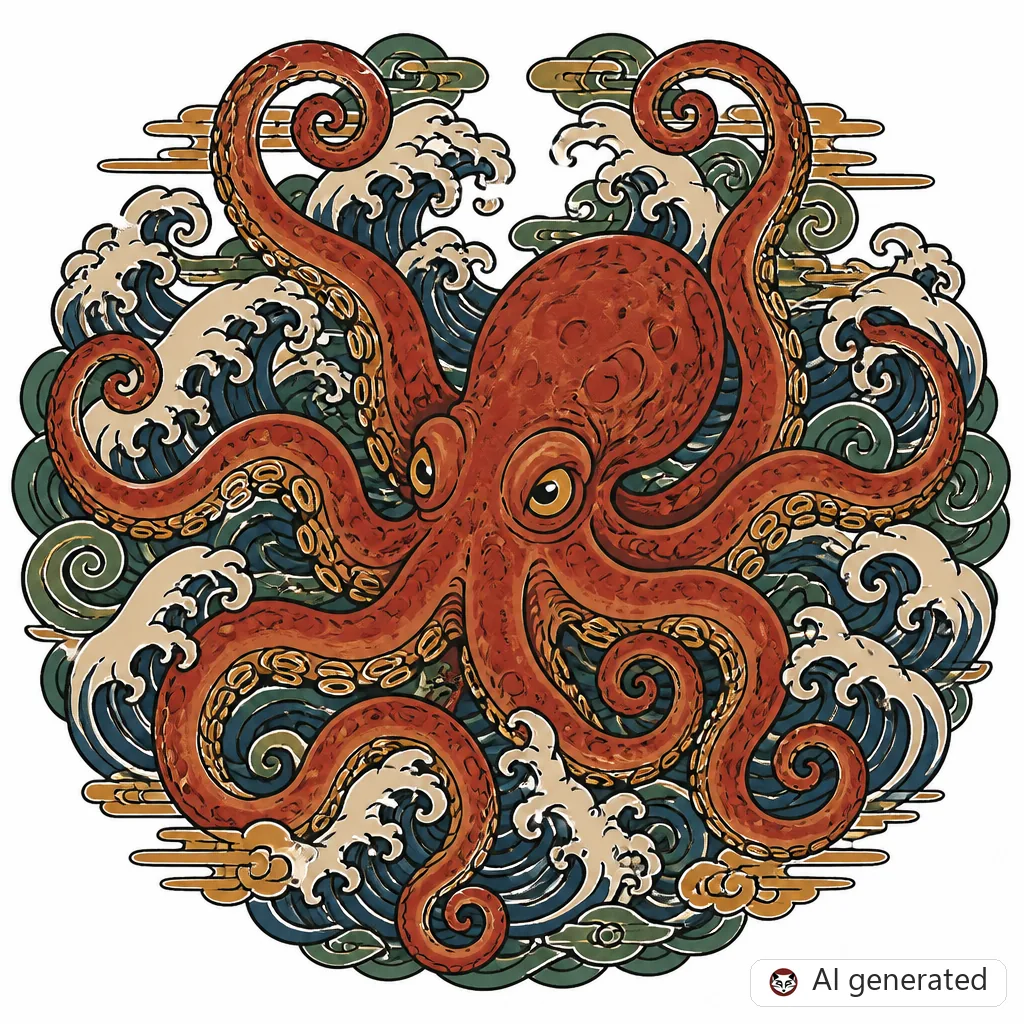
Octopus -
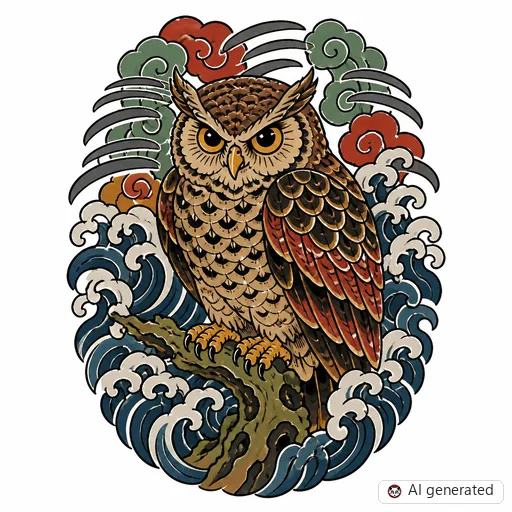
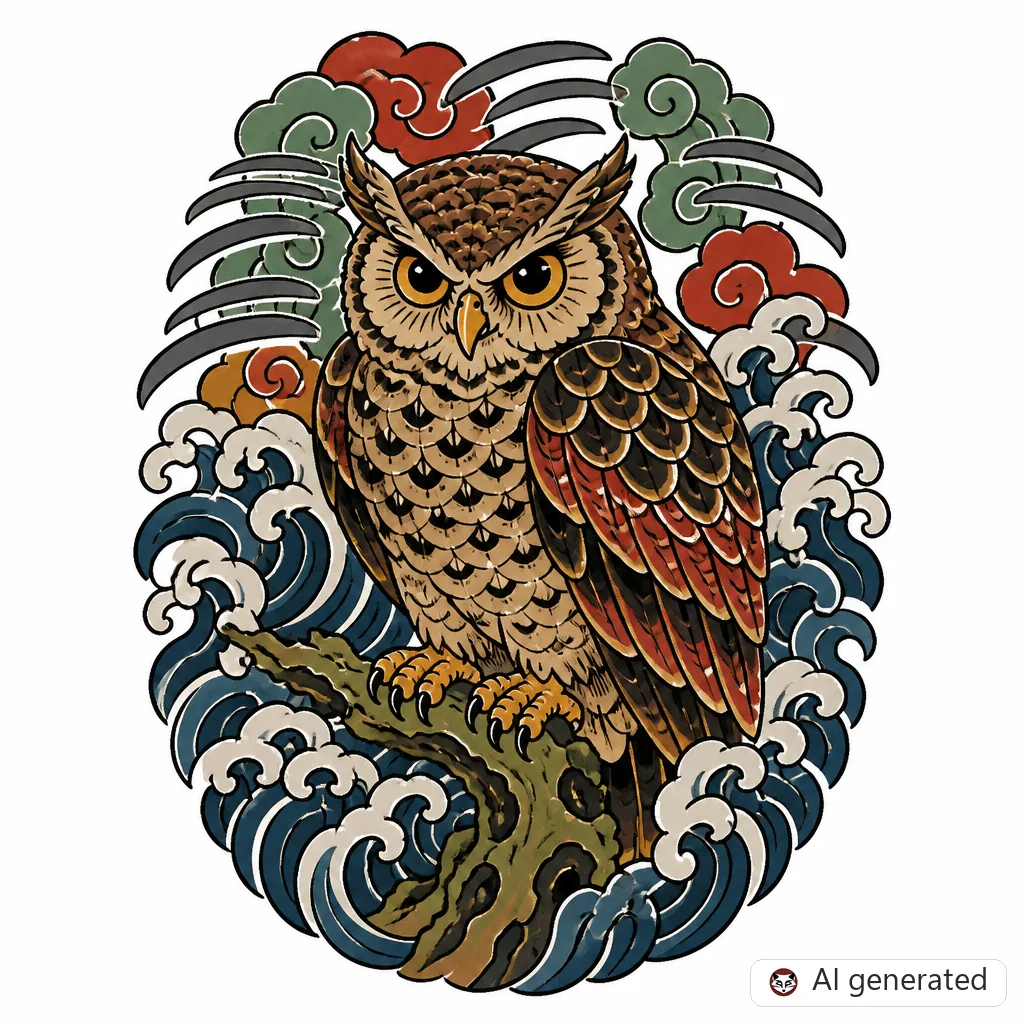
Owl -
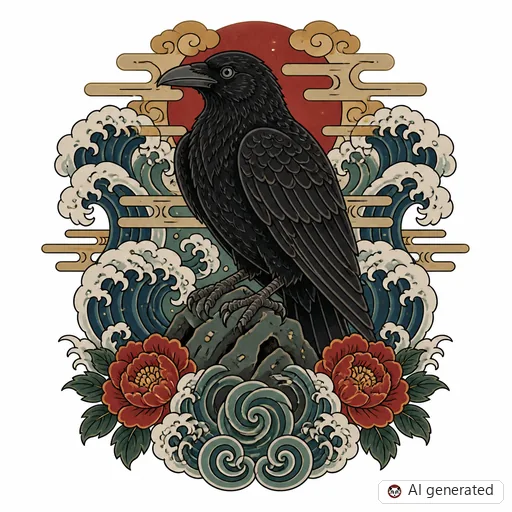
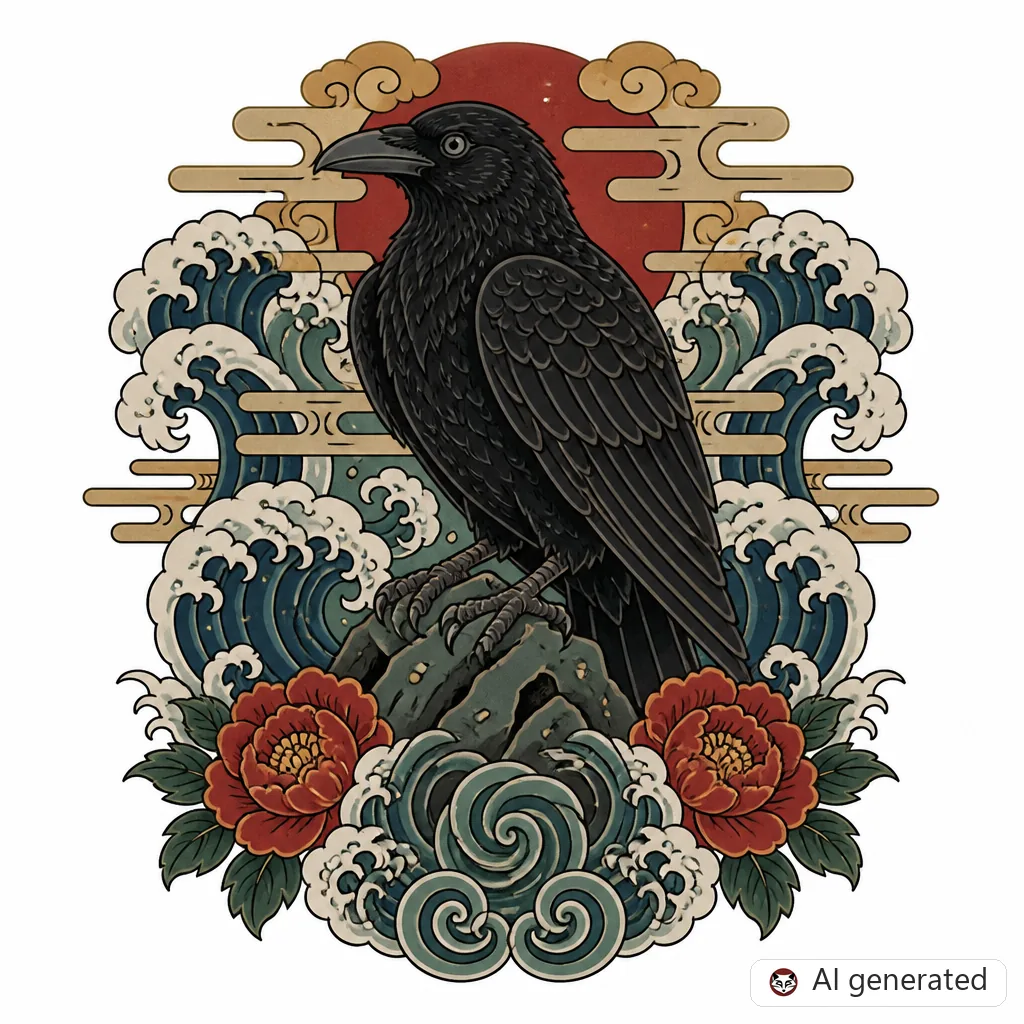
Raven -
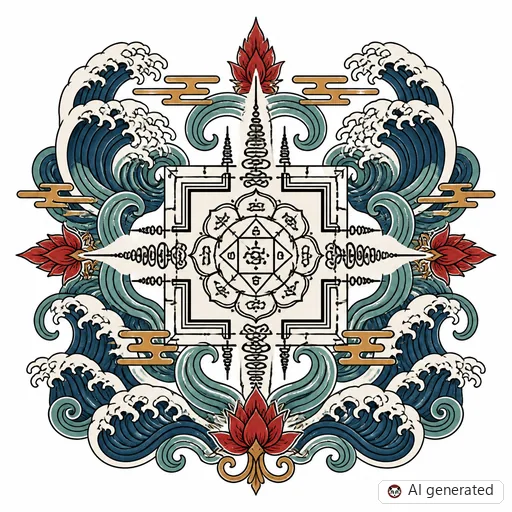
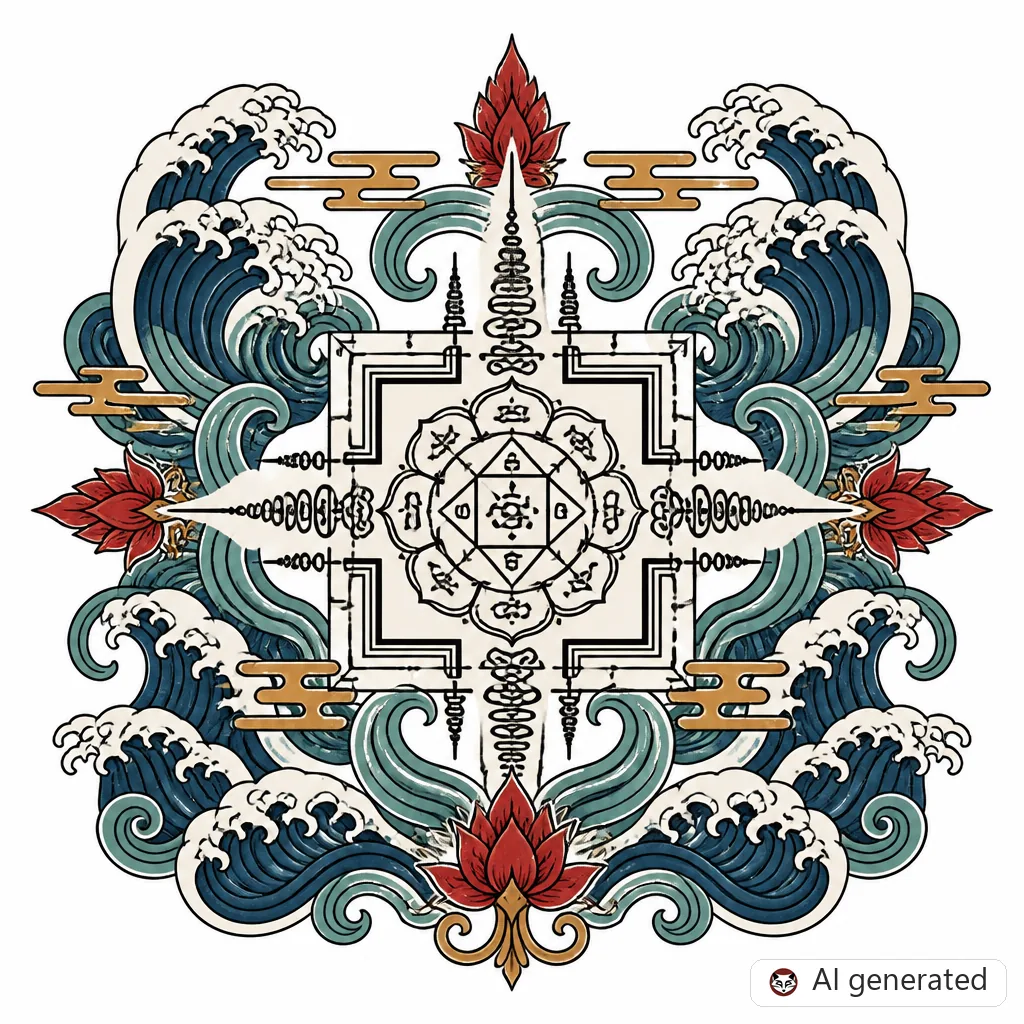
Sak Yant -
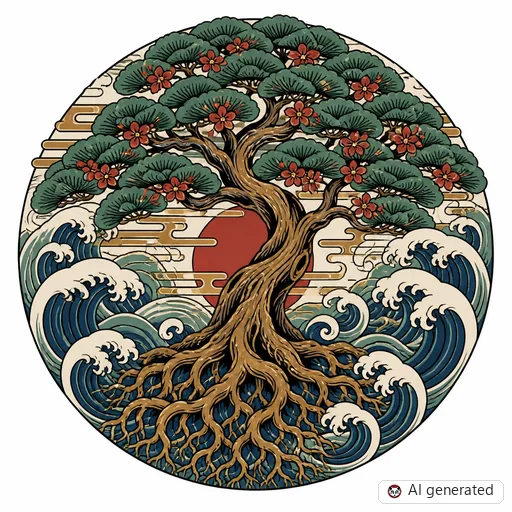
Tree of life -
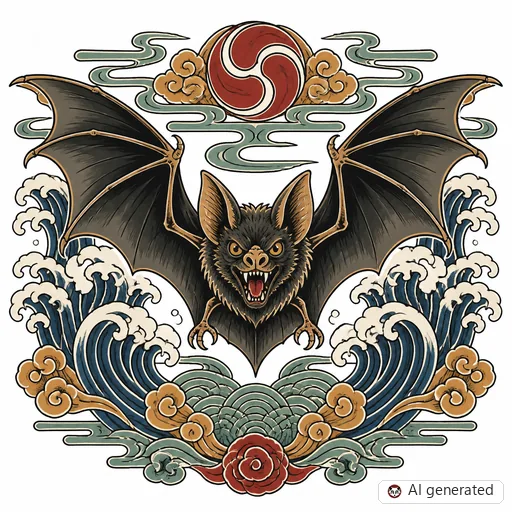
Bat -
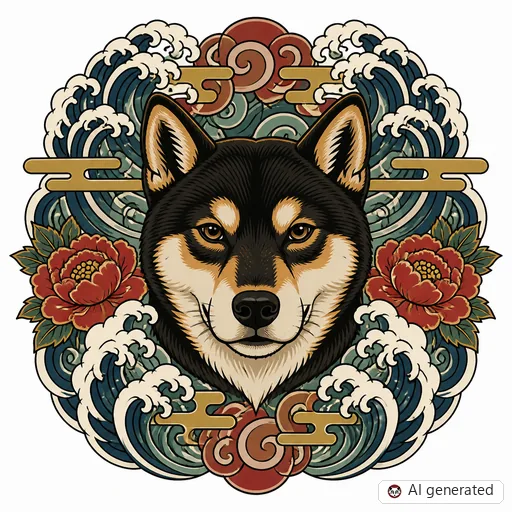
Dog -
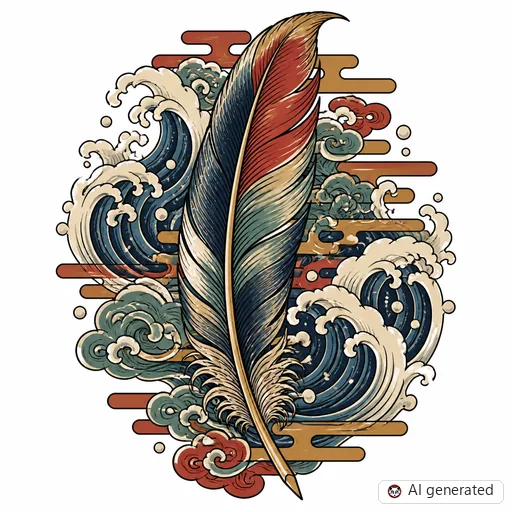
Feather -
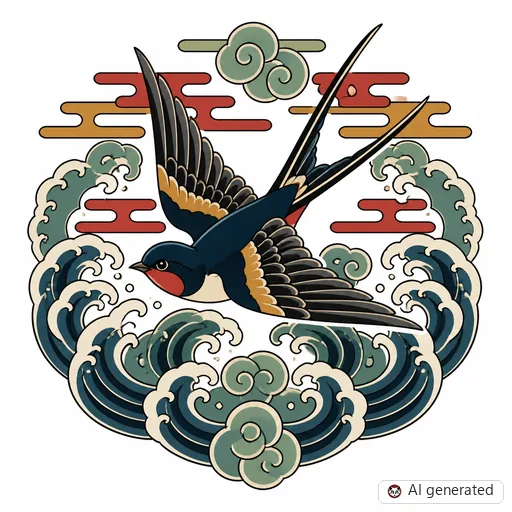
Swallow -
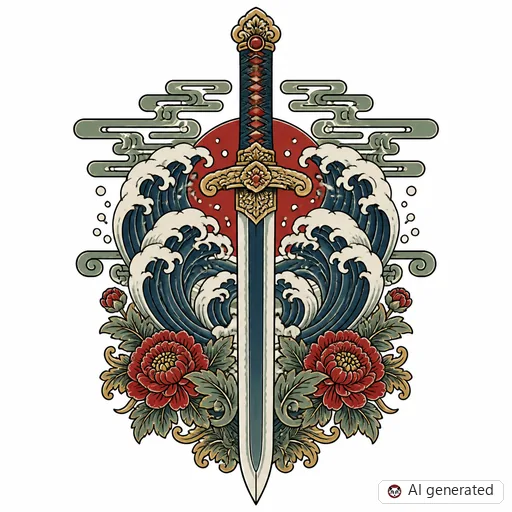
Sword -
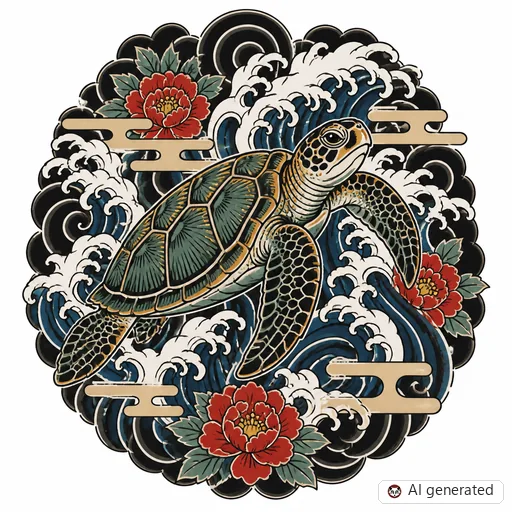
Turtle -
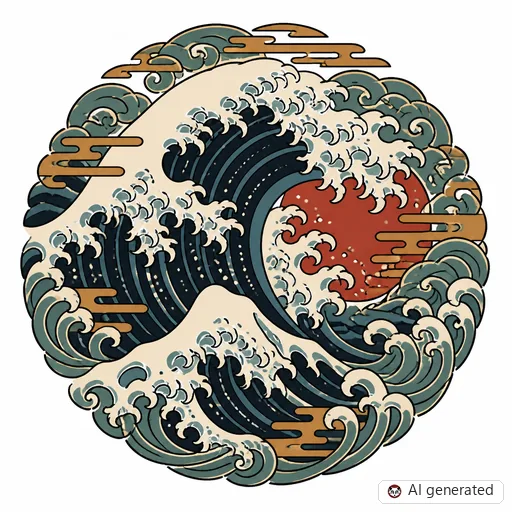
Wave -
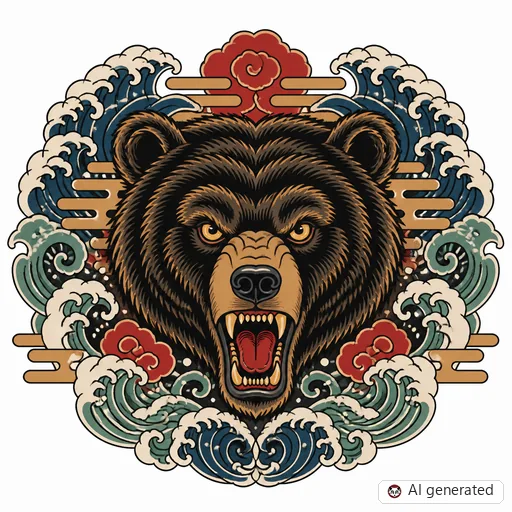
Bear -
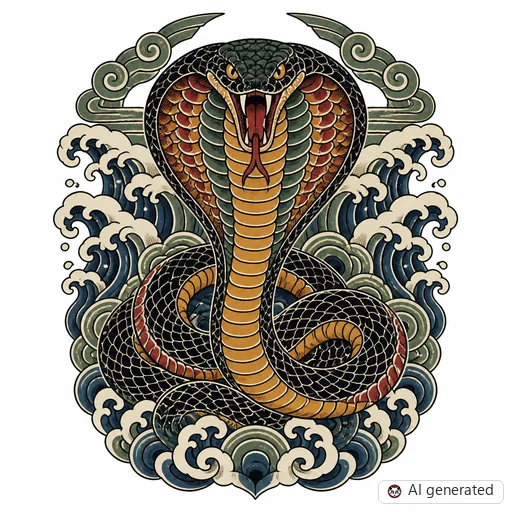
Cobra -
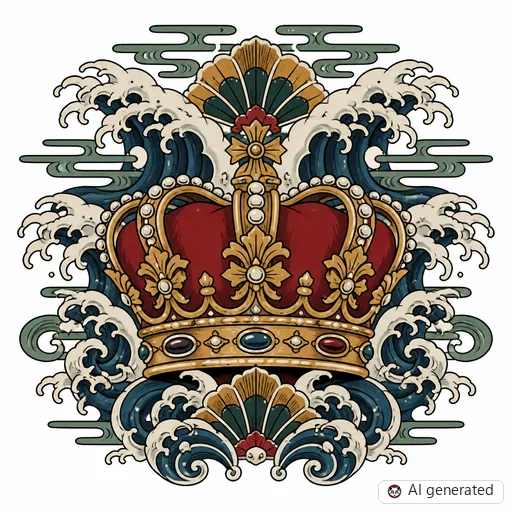
Crown -
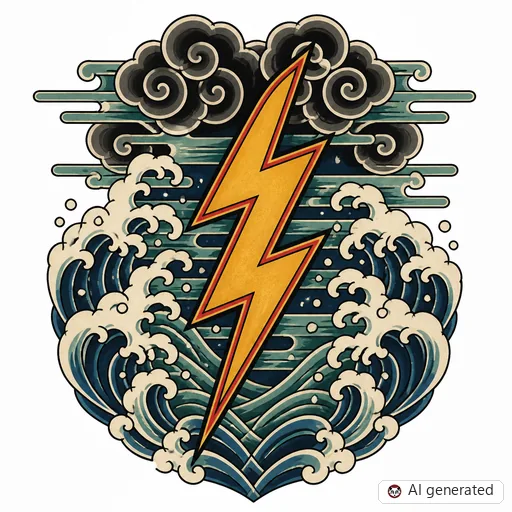
Lightning -
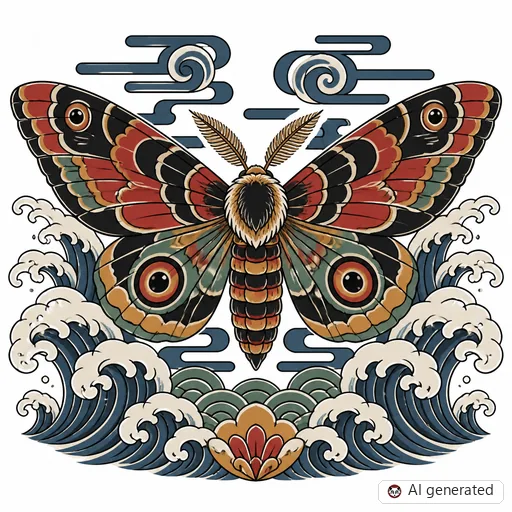
Moth -
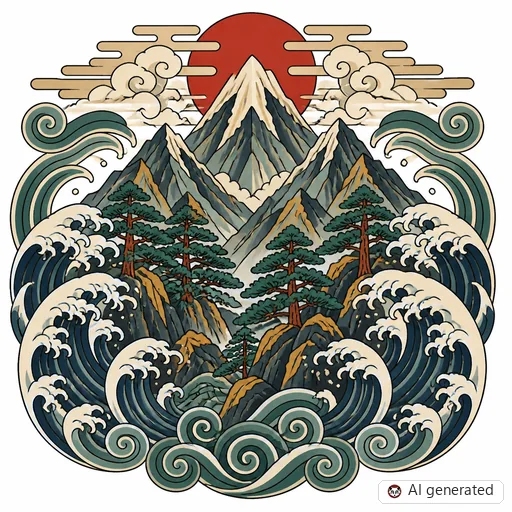
Mountain -
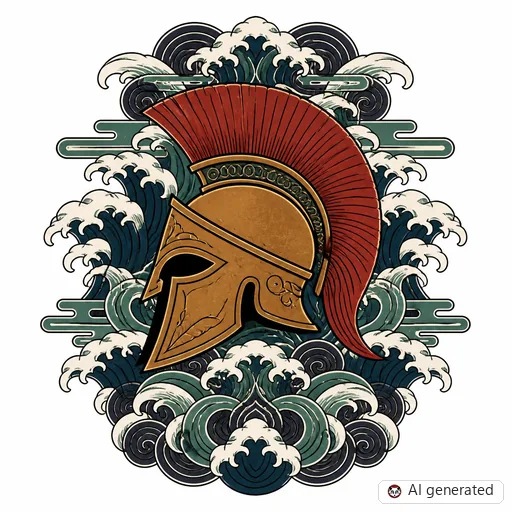
Spartan -
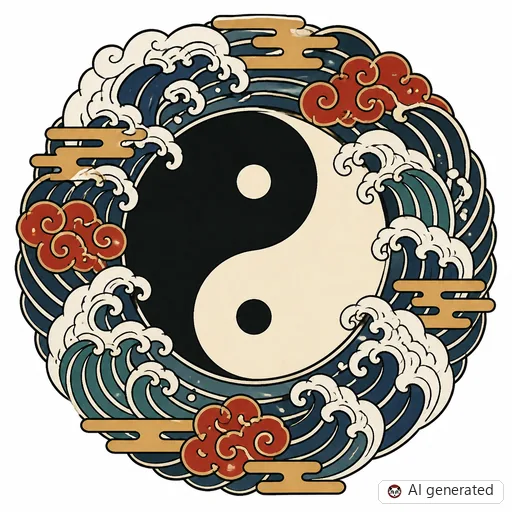
Yin and yang -
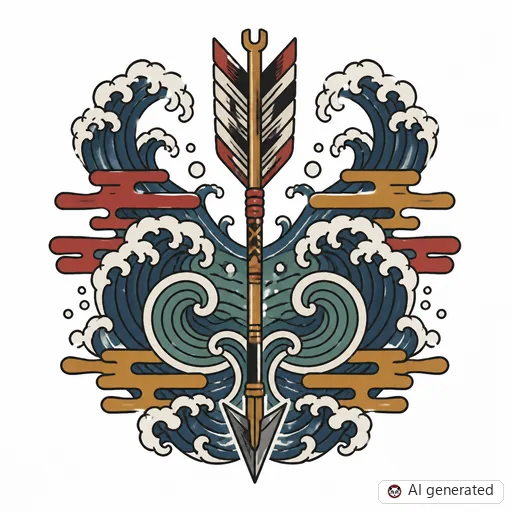
Arrow -
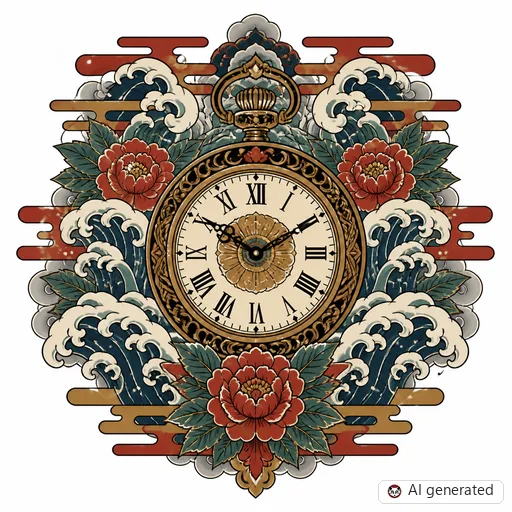
Clock -
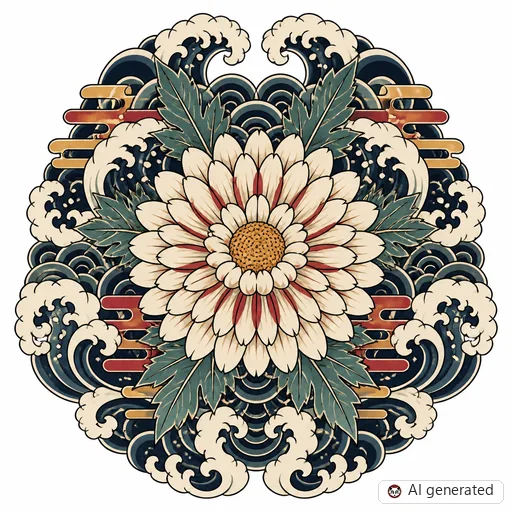
Daisy -
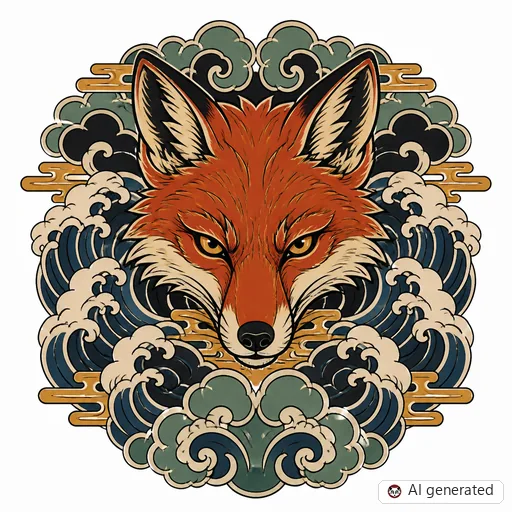
Fox -
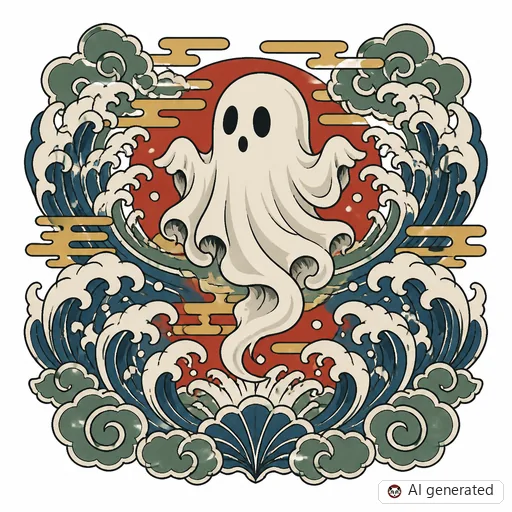
Ghost -
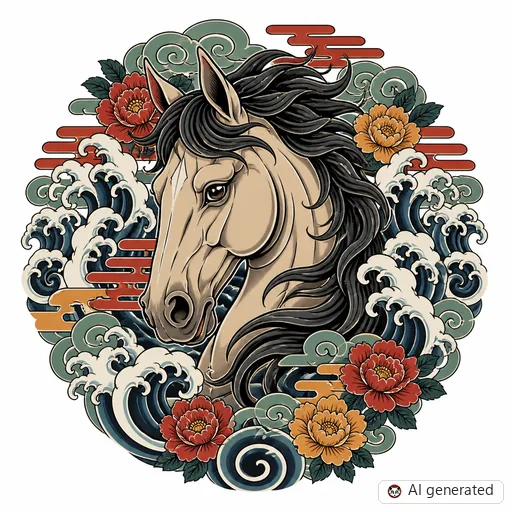
Horse -
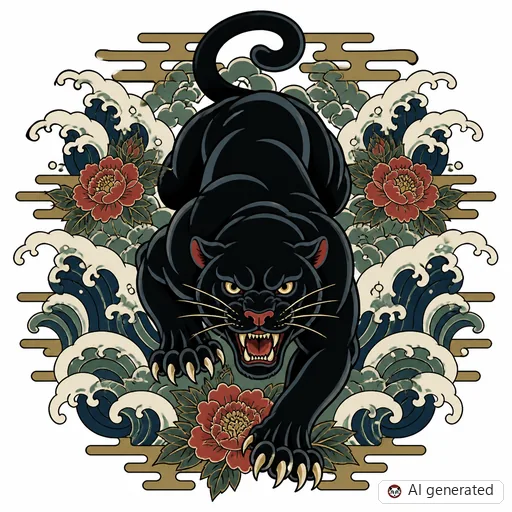
Panther -
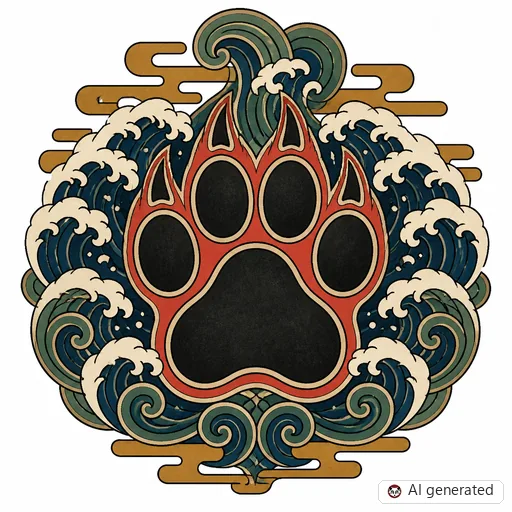
Paw print -
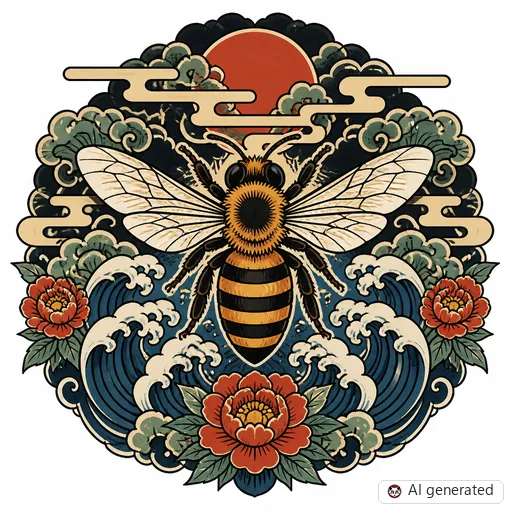
Bee -
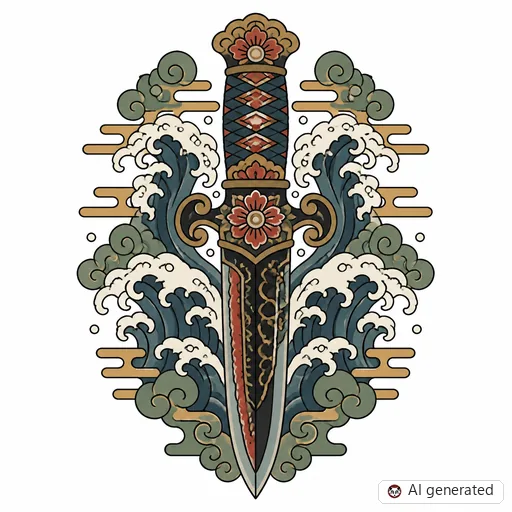
Dagger -
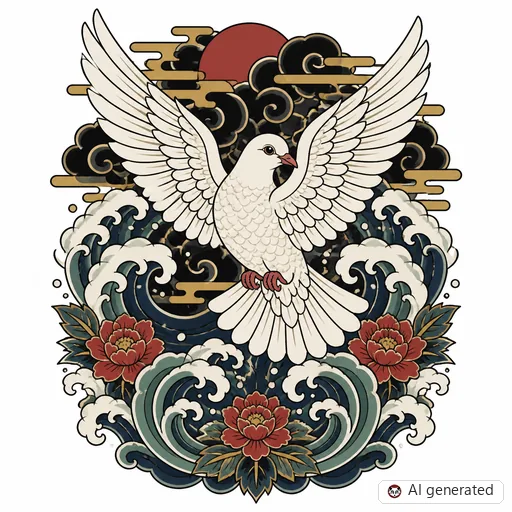
Dove -
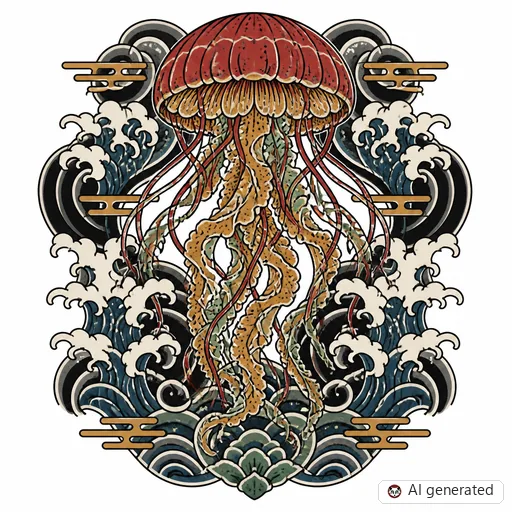
Jellyfish -
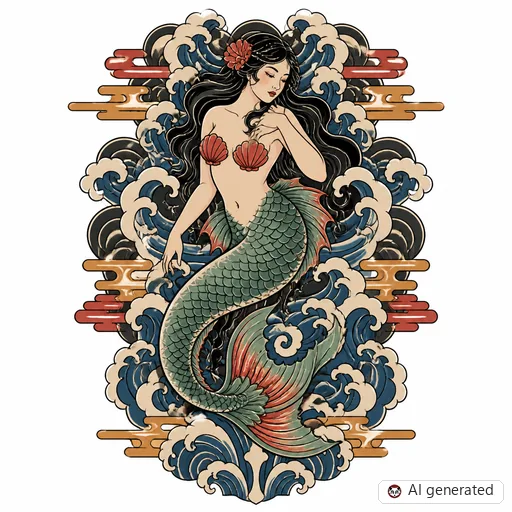
Mermaid -
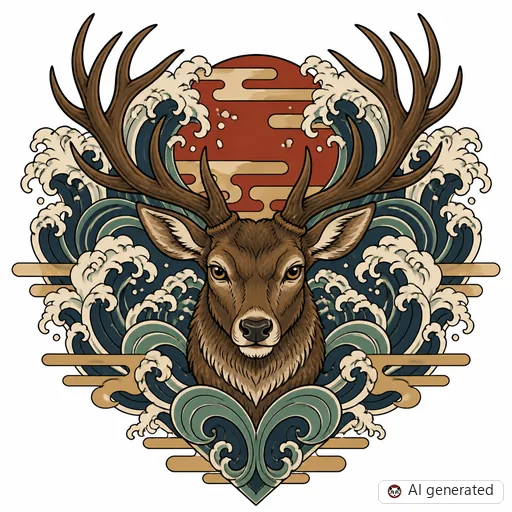
Stag -
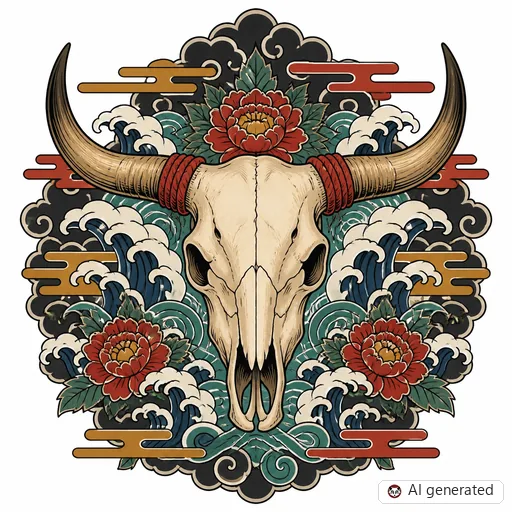
Bull -
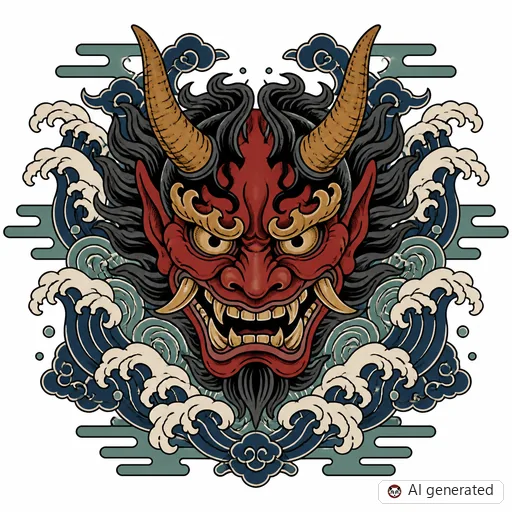
Demon -
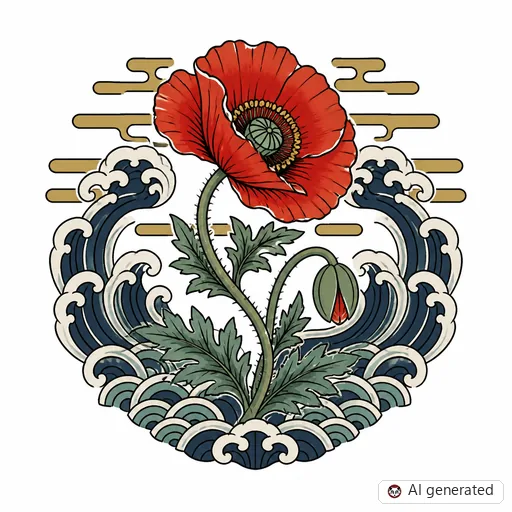
Poppy -
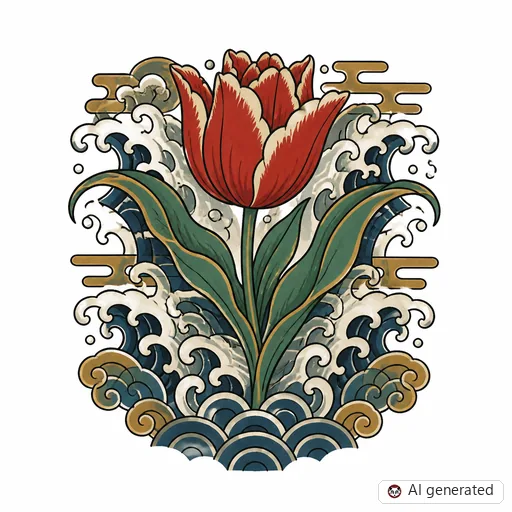
Tulip -
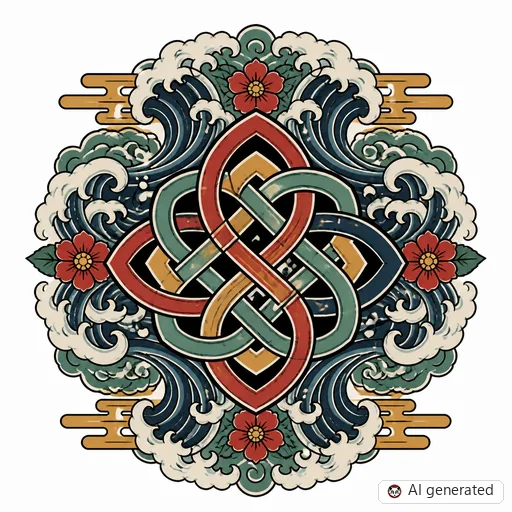
Celtic knot -
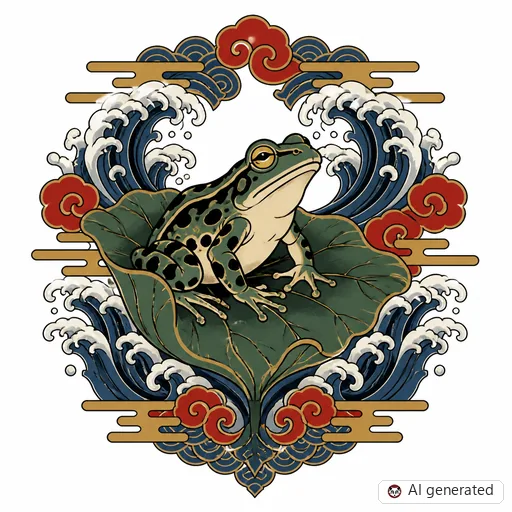
Frog -
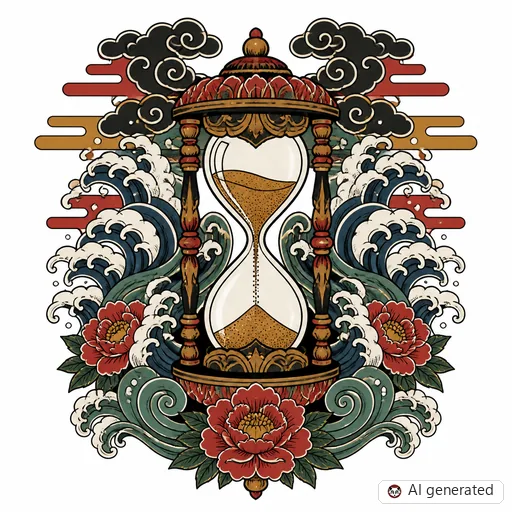
Hourglass -
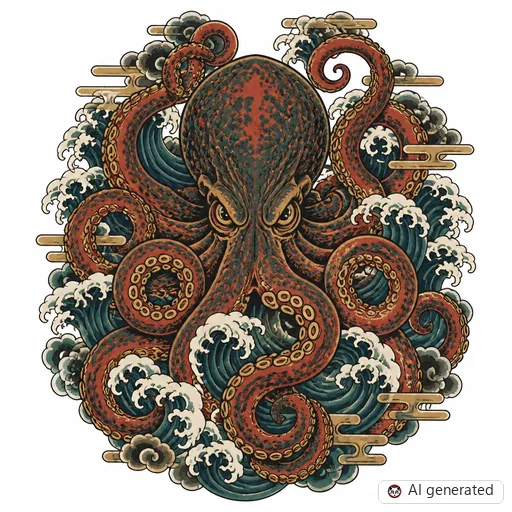
Kraken -
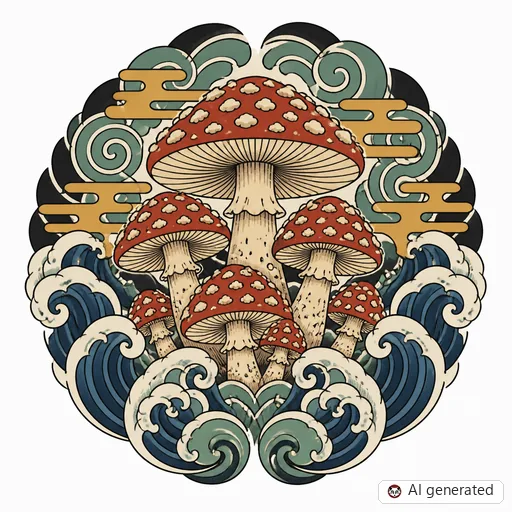
Mushroom -
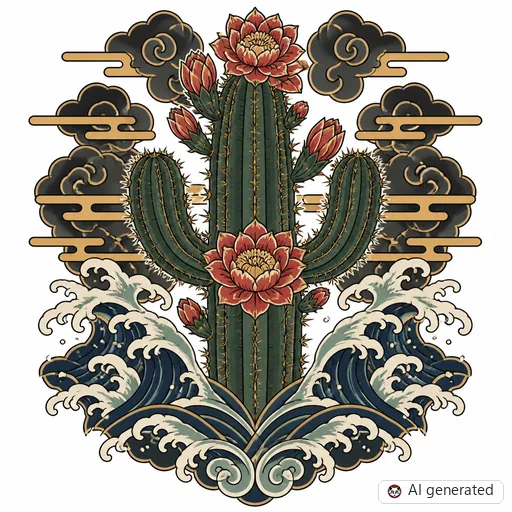
Cactus -
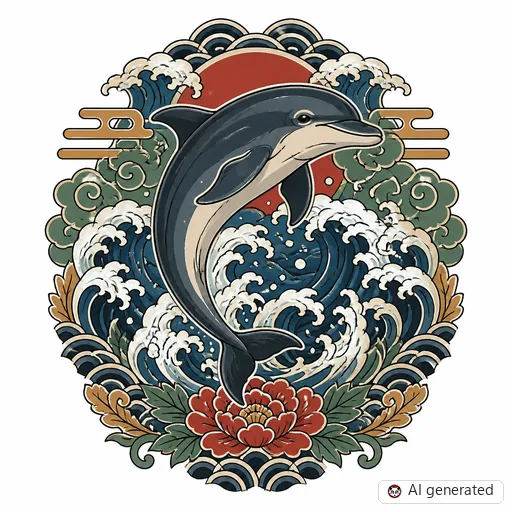
Dolphin -
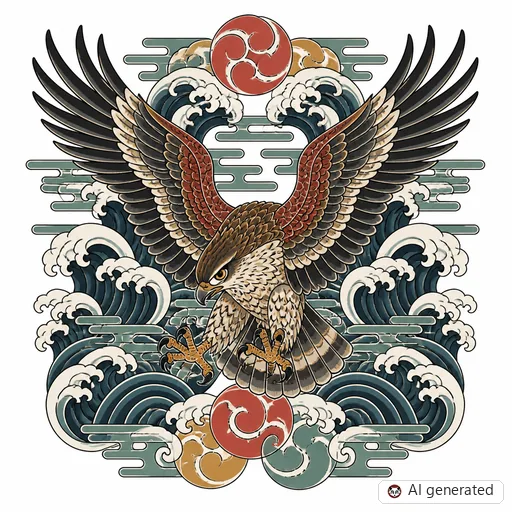
Hawk -
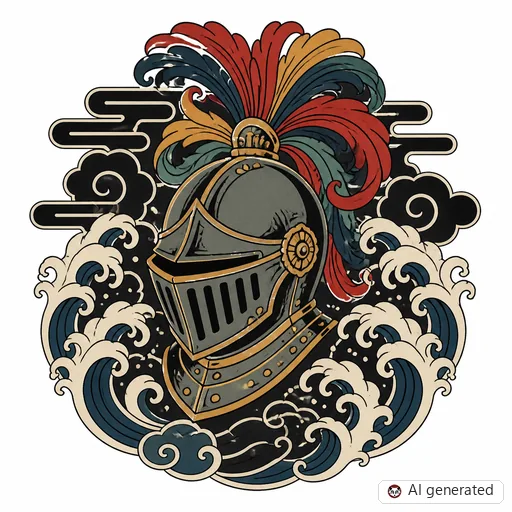
Knight -
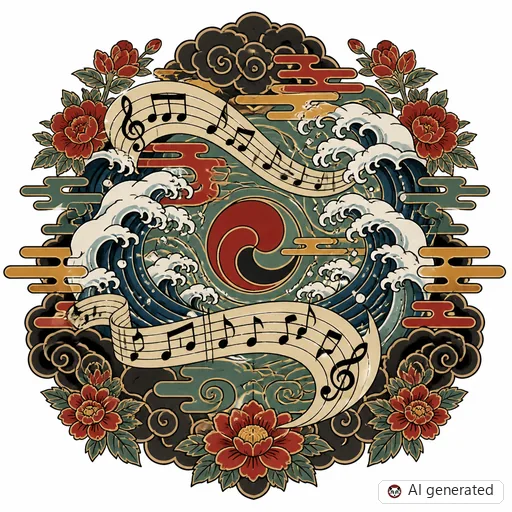
Music note -
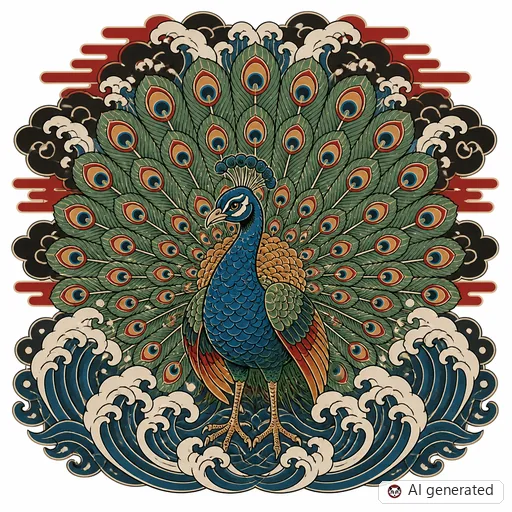
Peacock -
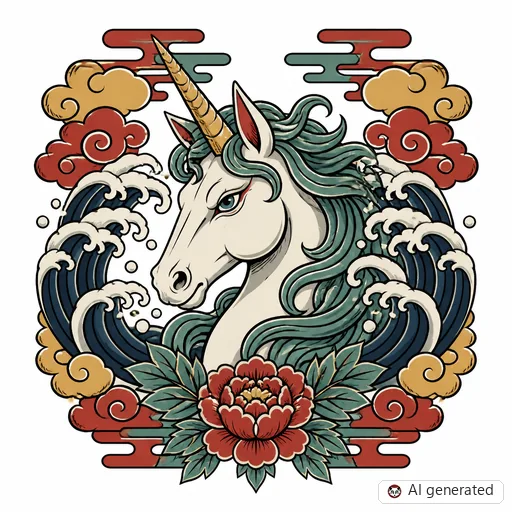
Unicorn -
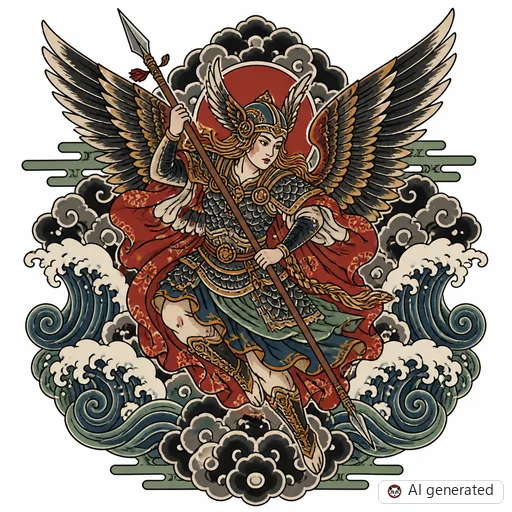
Valkyrie -
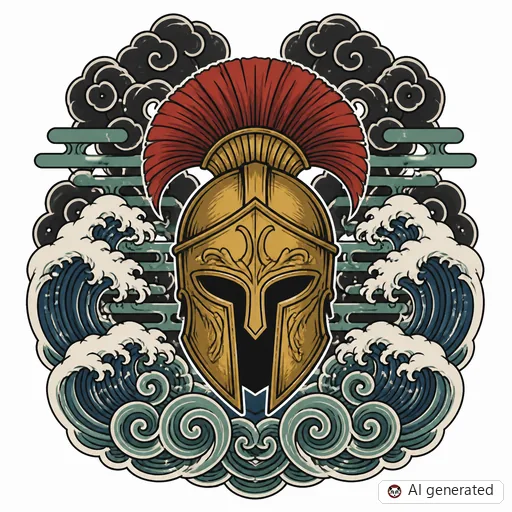
Gladiator -
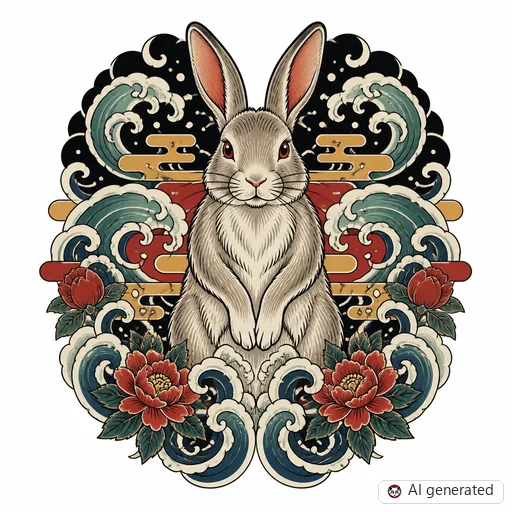
Rabbit -
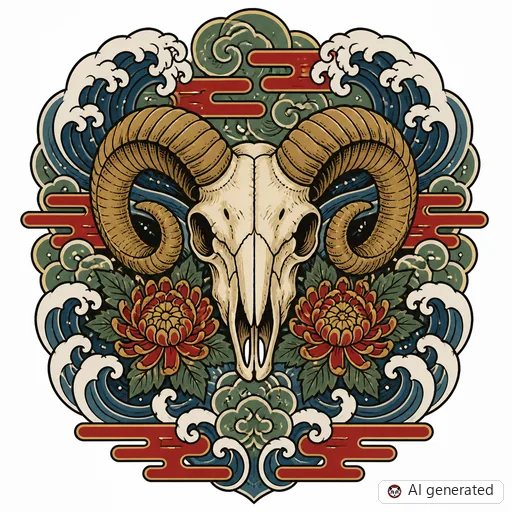
Ram -
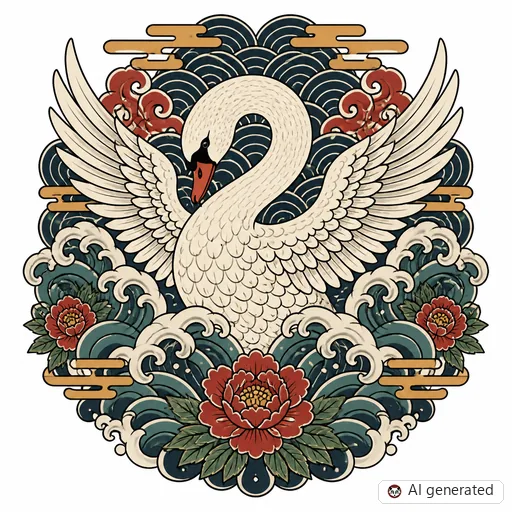
Swan -
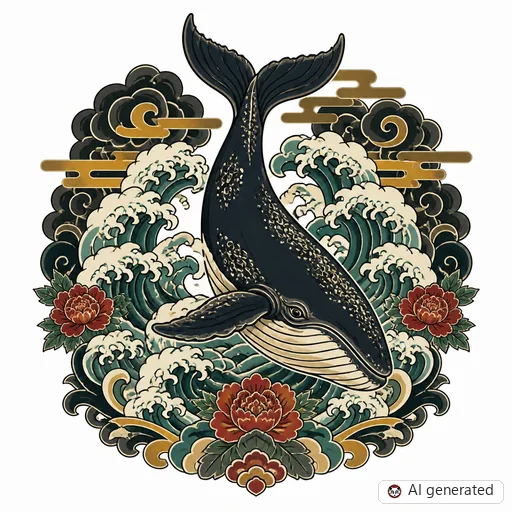
Whale -
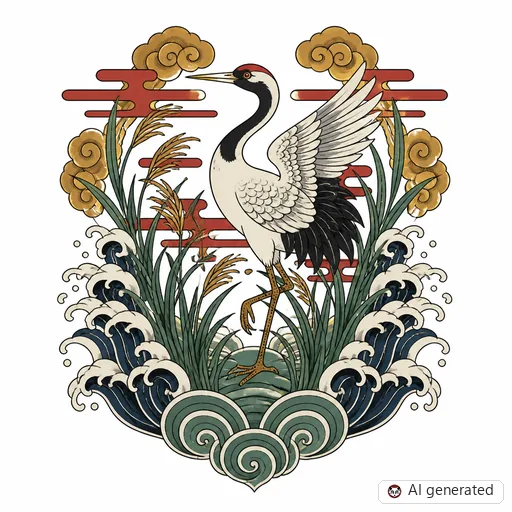
Crane -
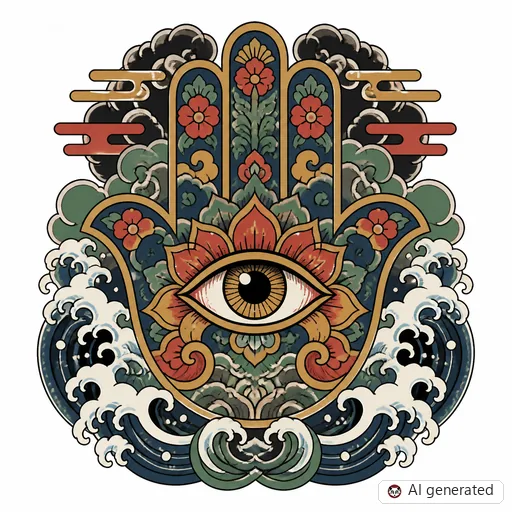
Hamsa -
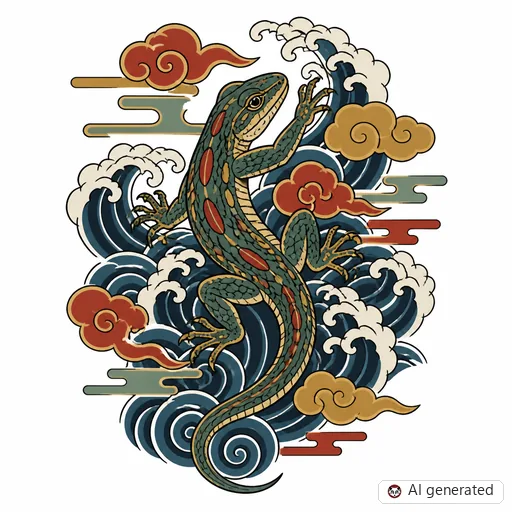
Lizard -
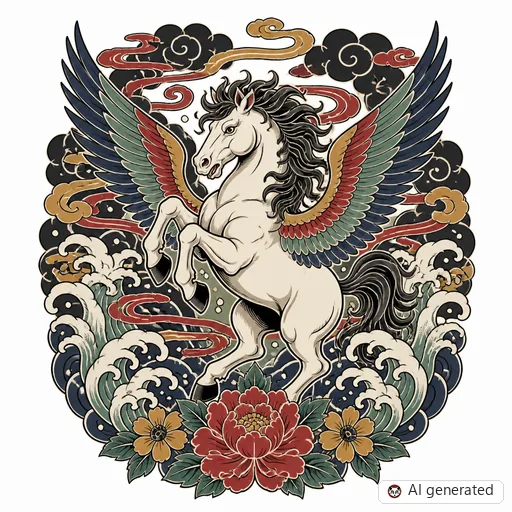
Pegasus -
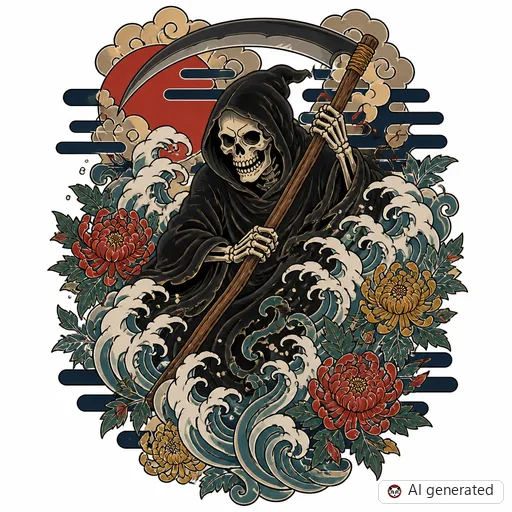
Reaper -
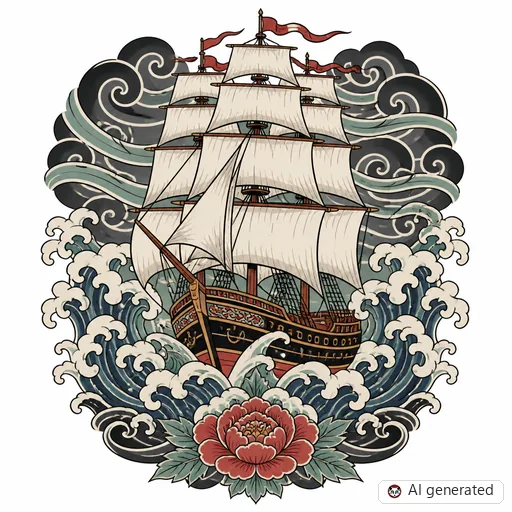
Ship -
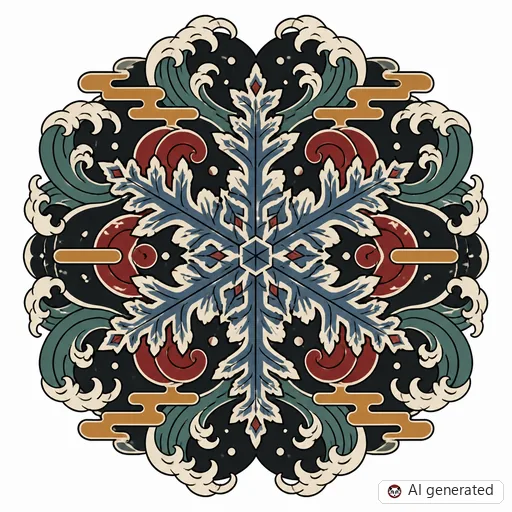
Snowflake -
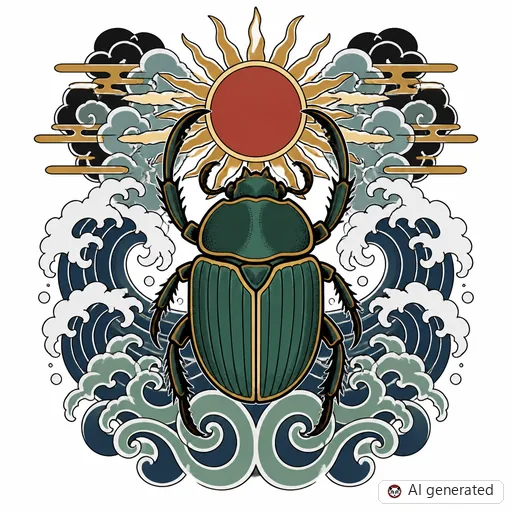
Beetle -
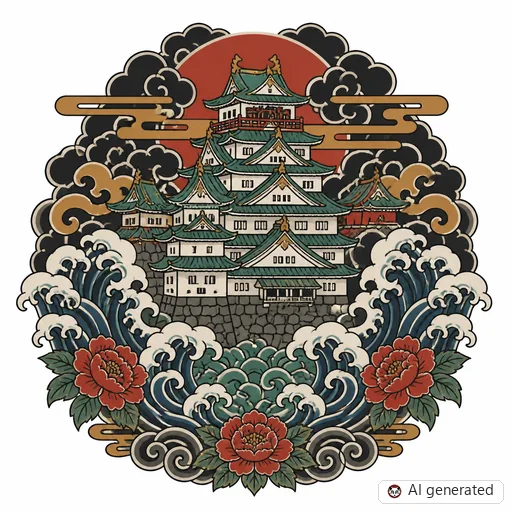
Castle -
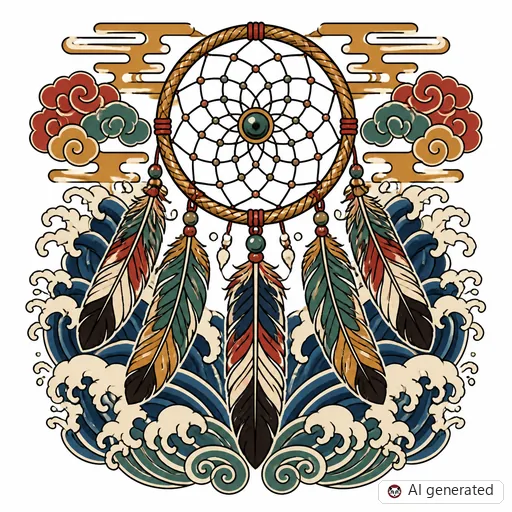
Dreamcatcher -
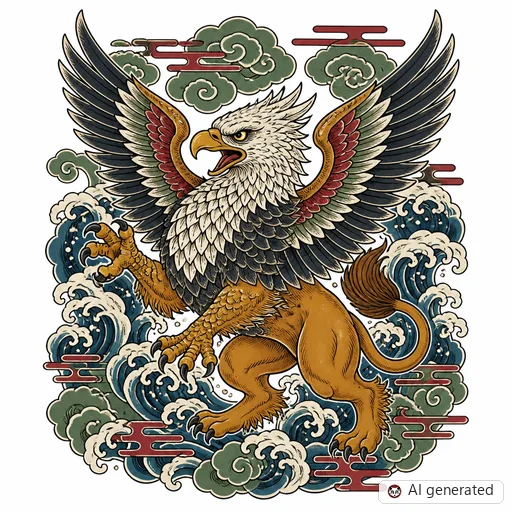
Griffin -
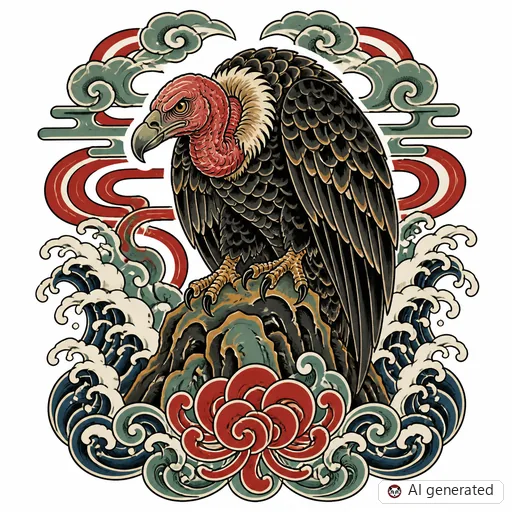
Vulture -
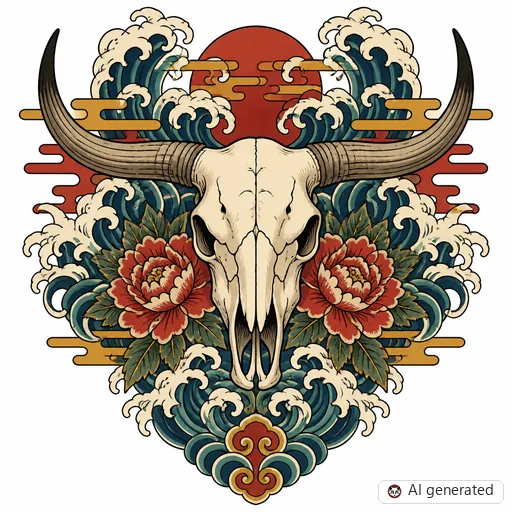
Cow skull -
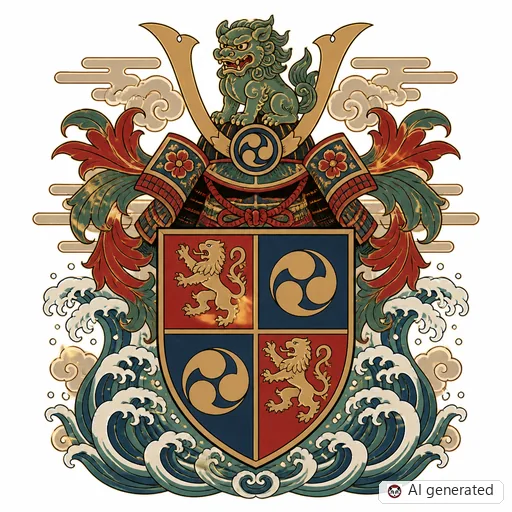
Shield
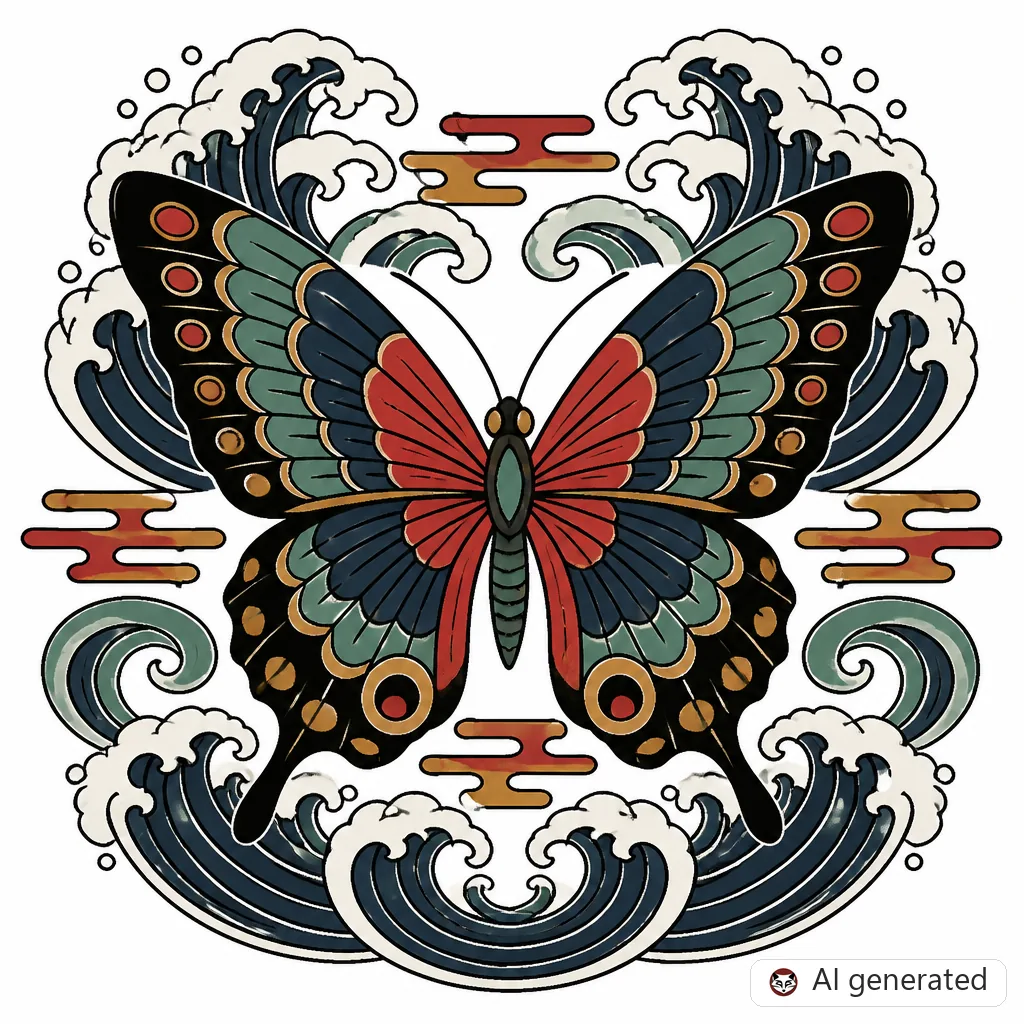
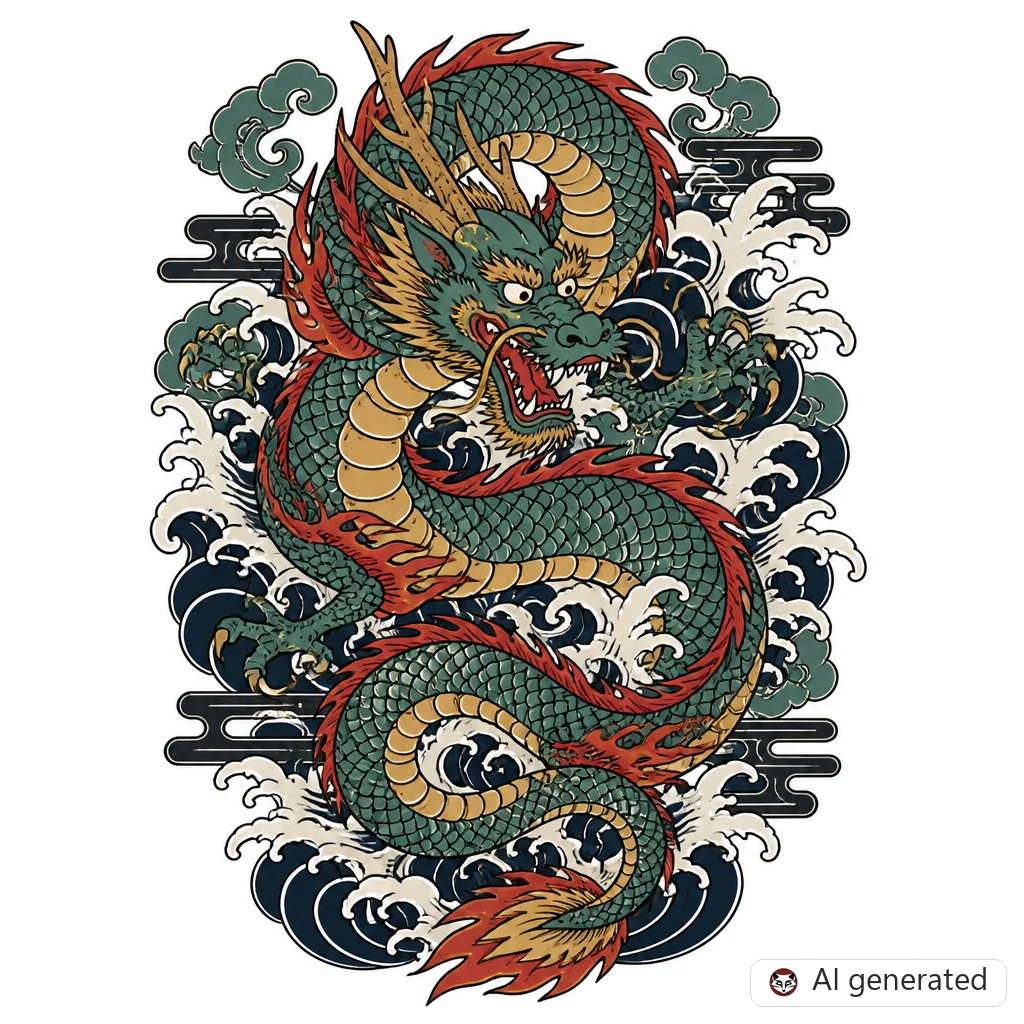
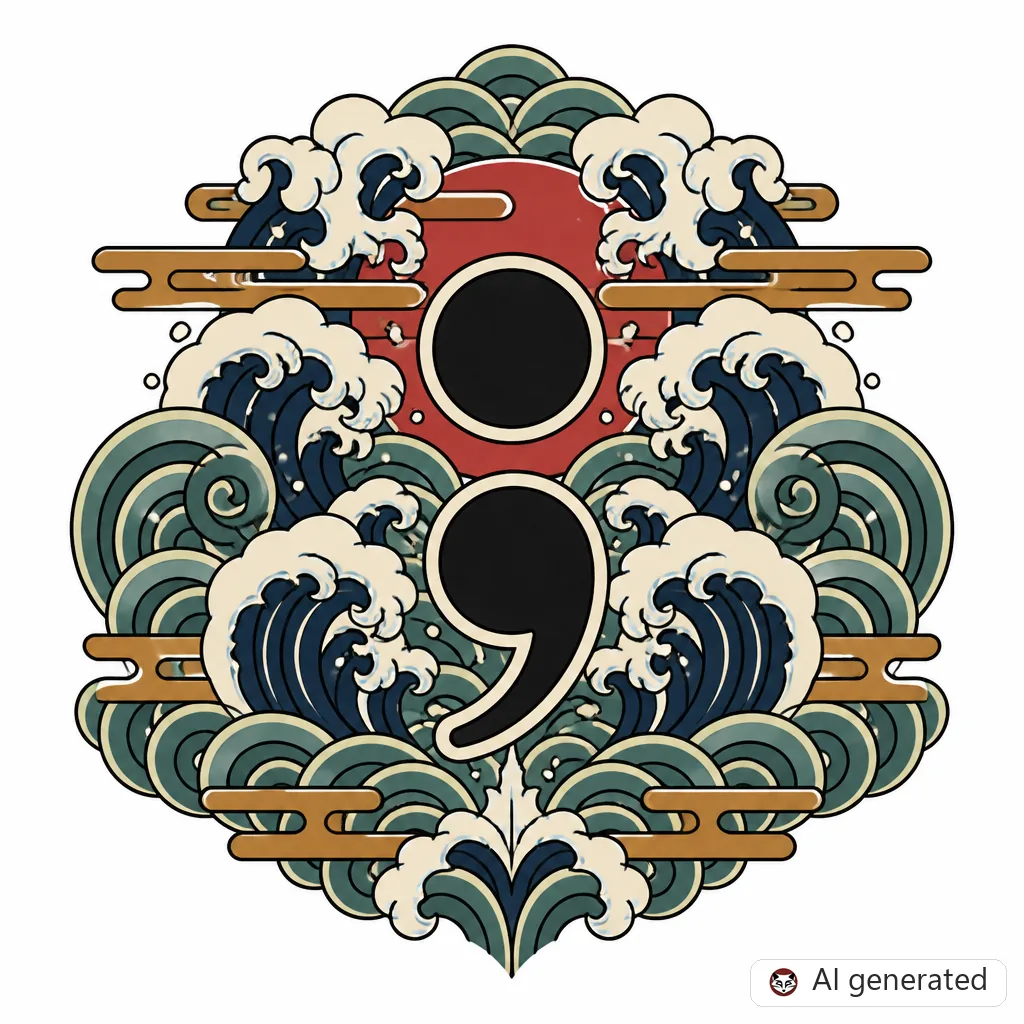
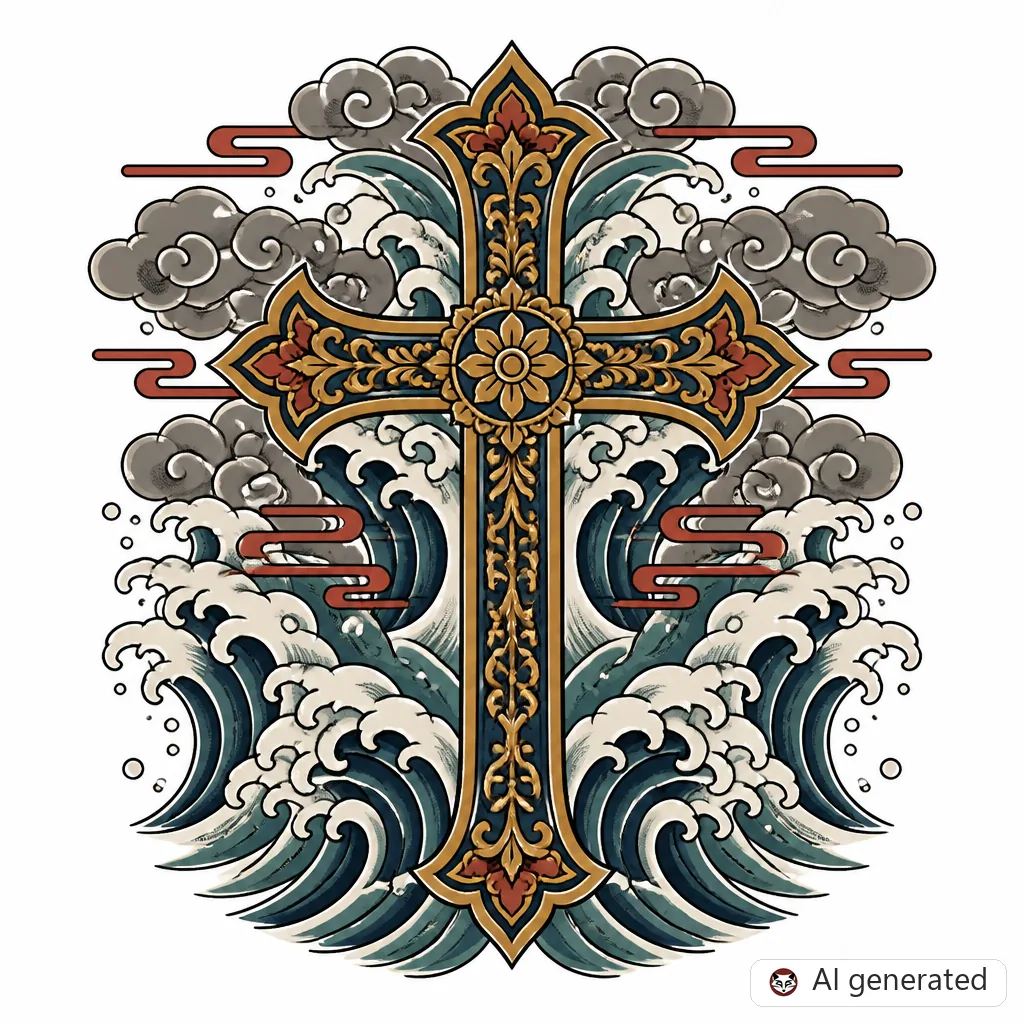
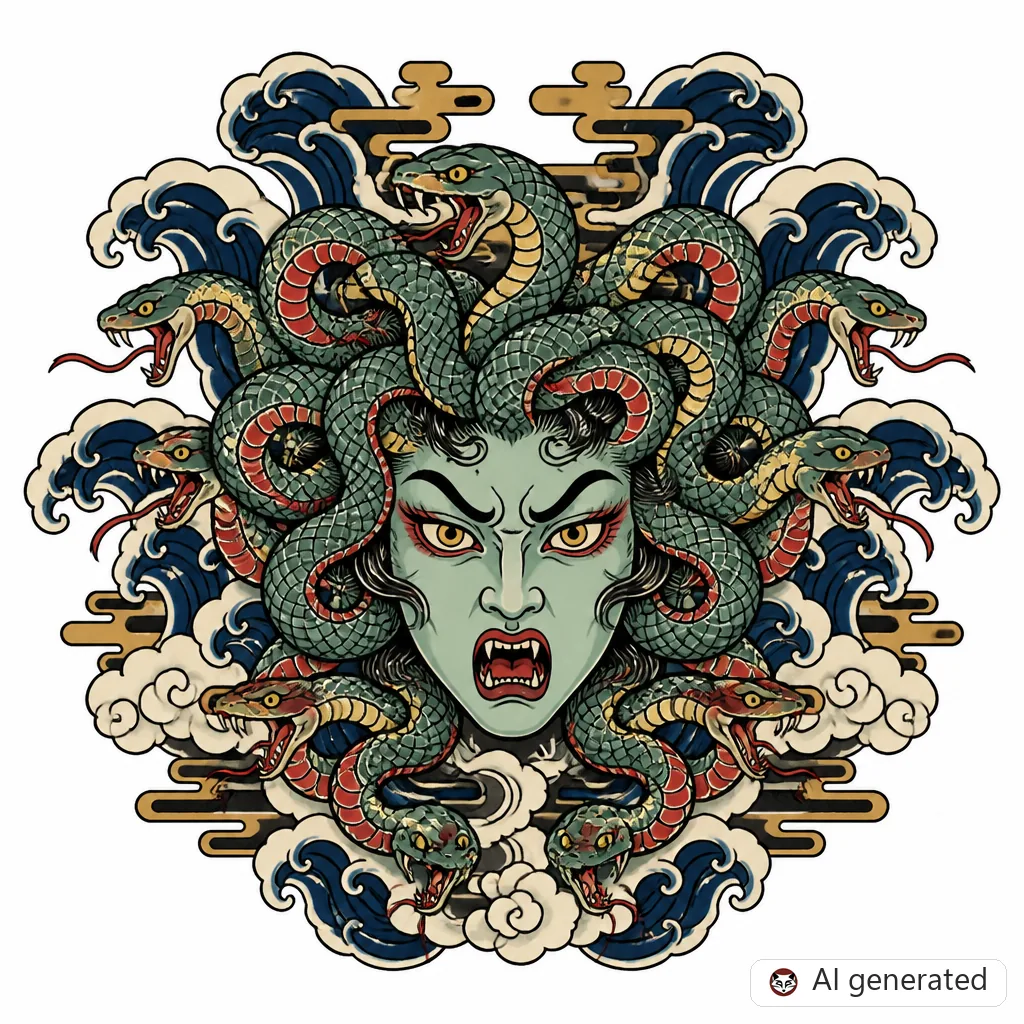
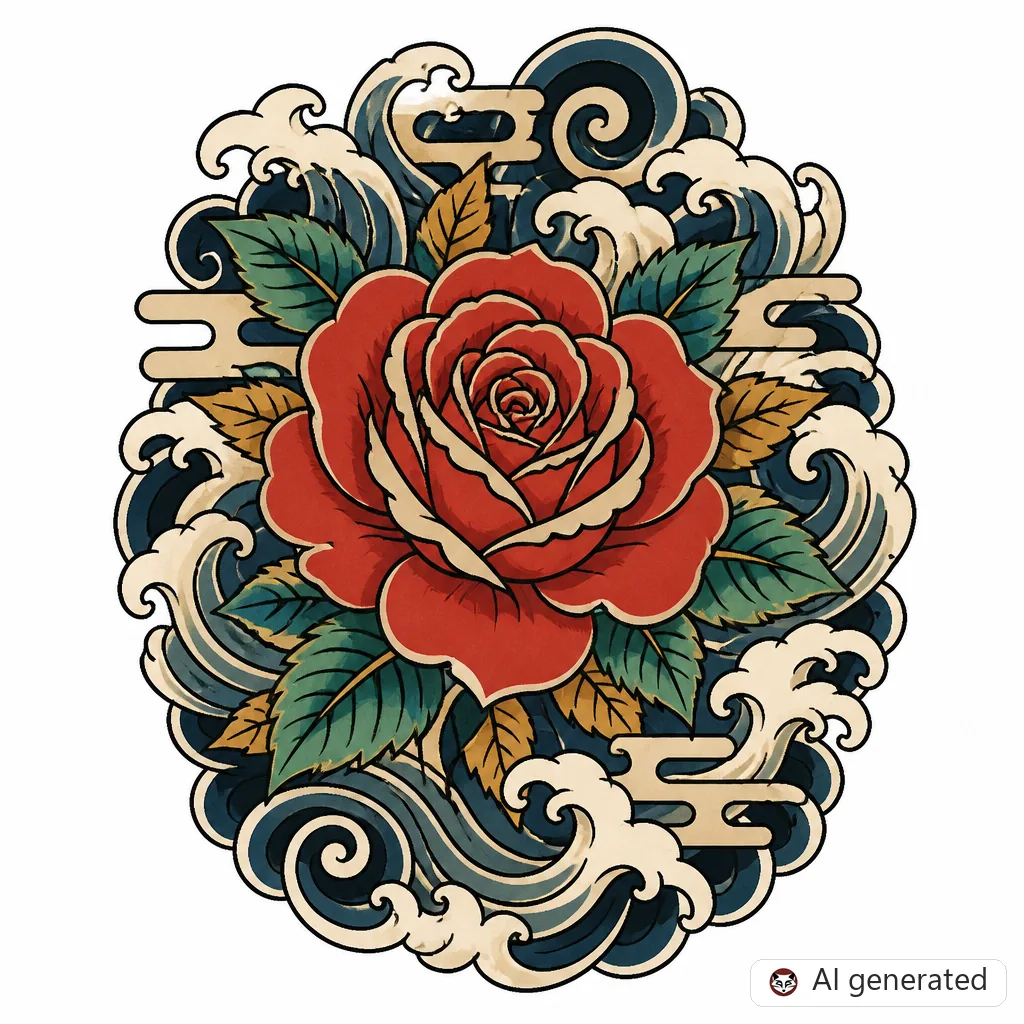
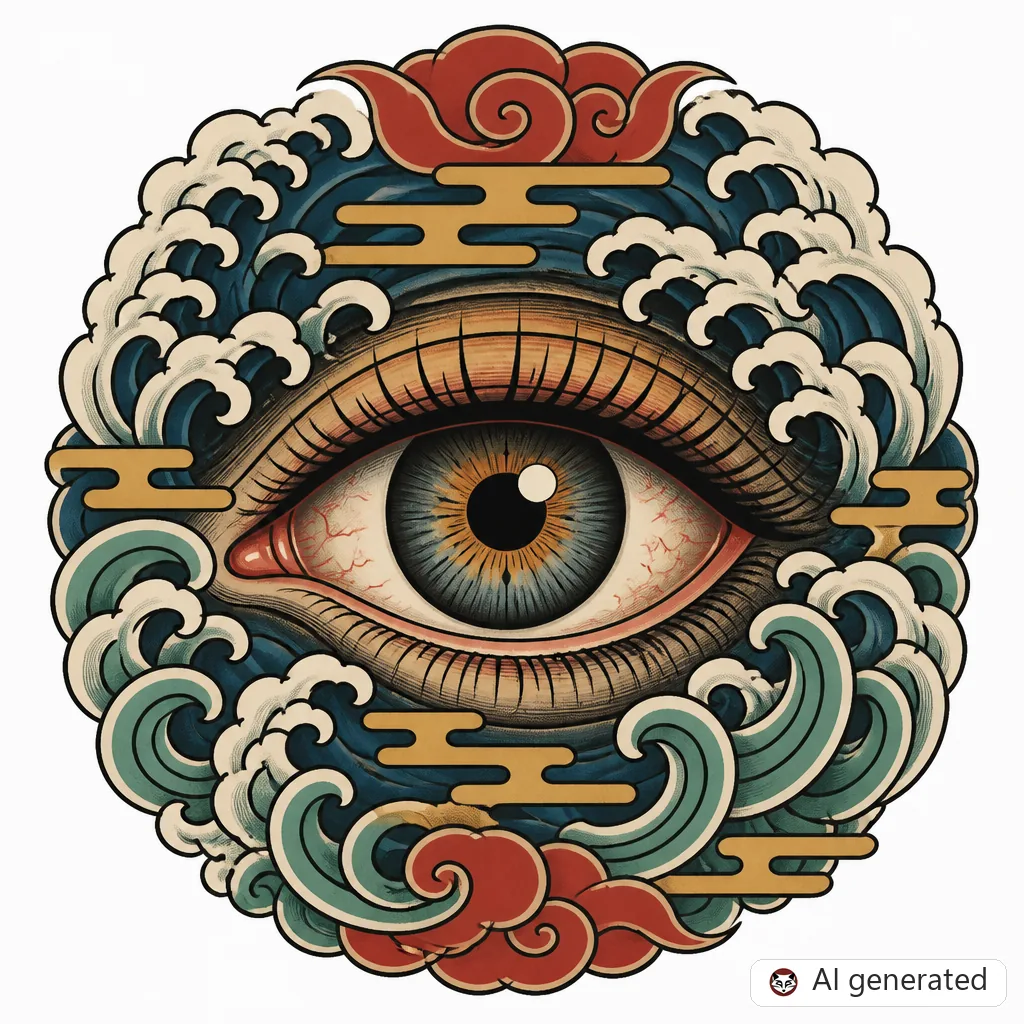
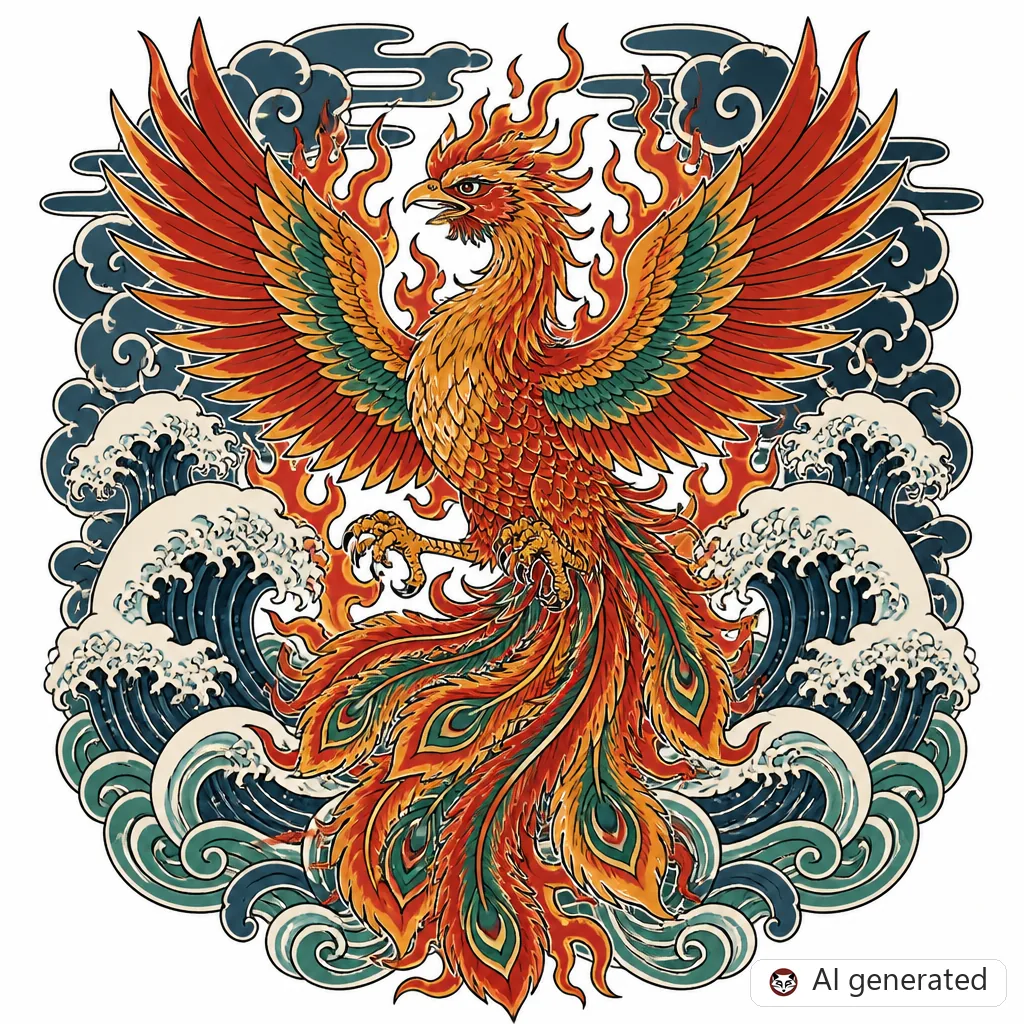
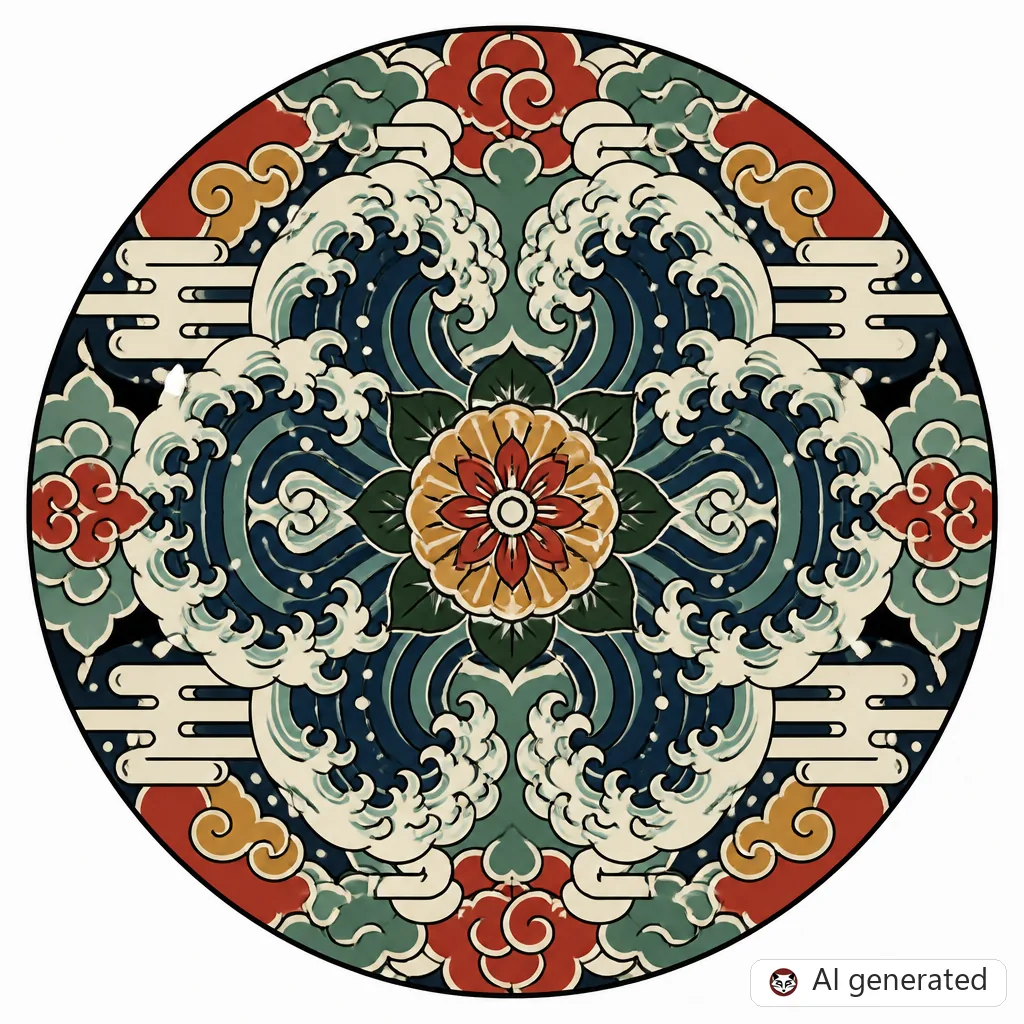
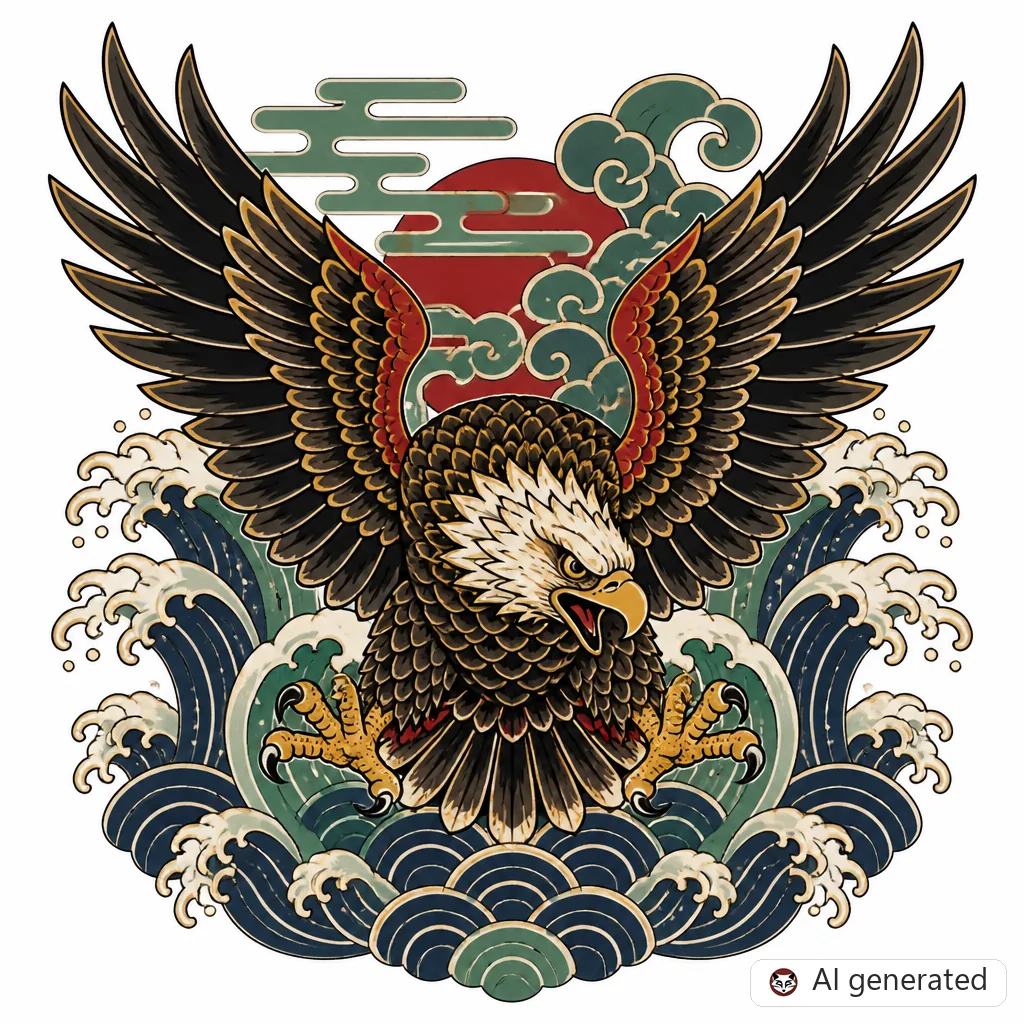
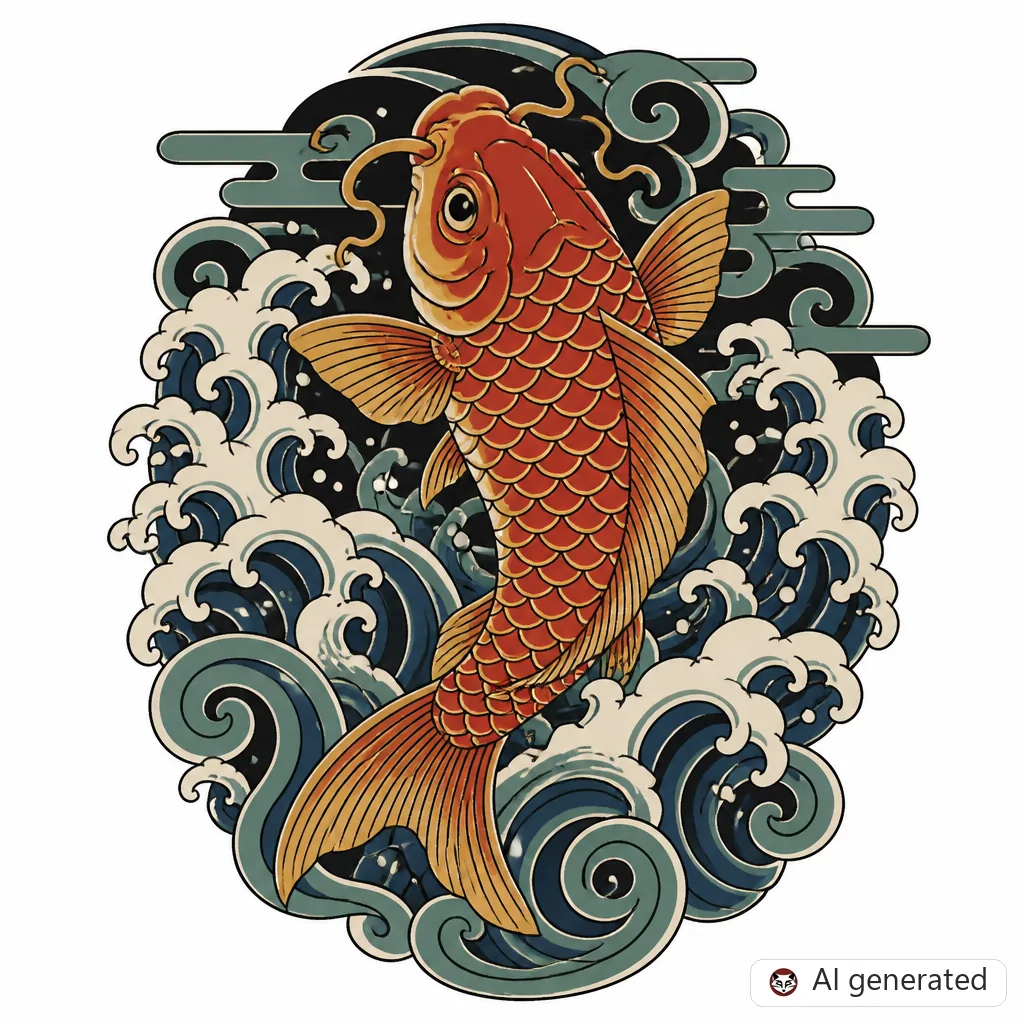
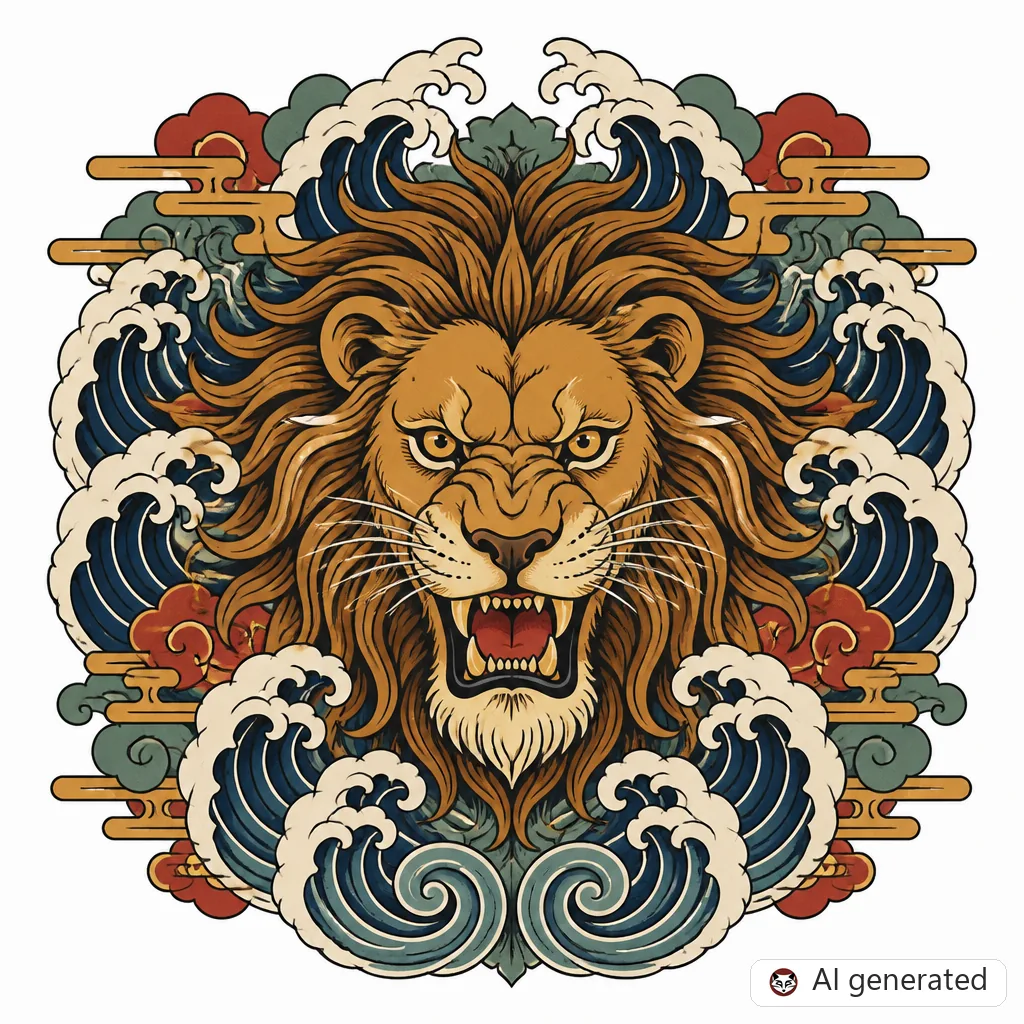
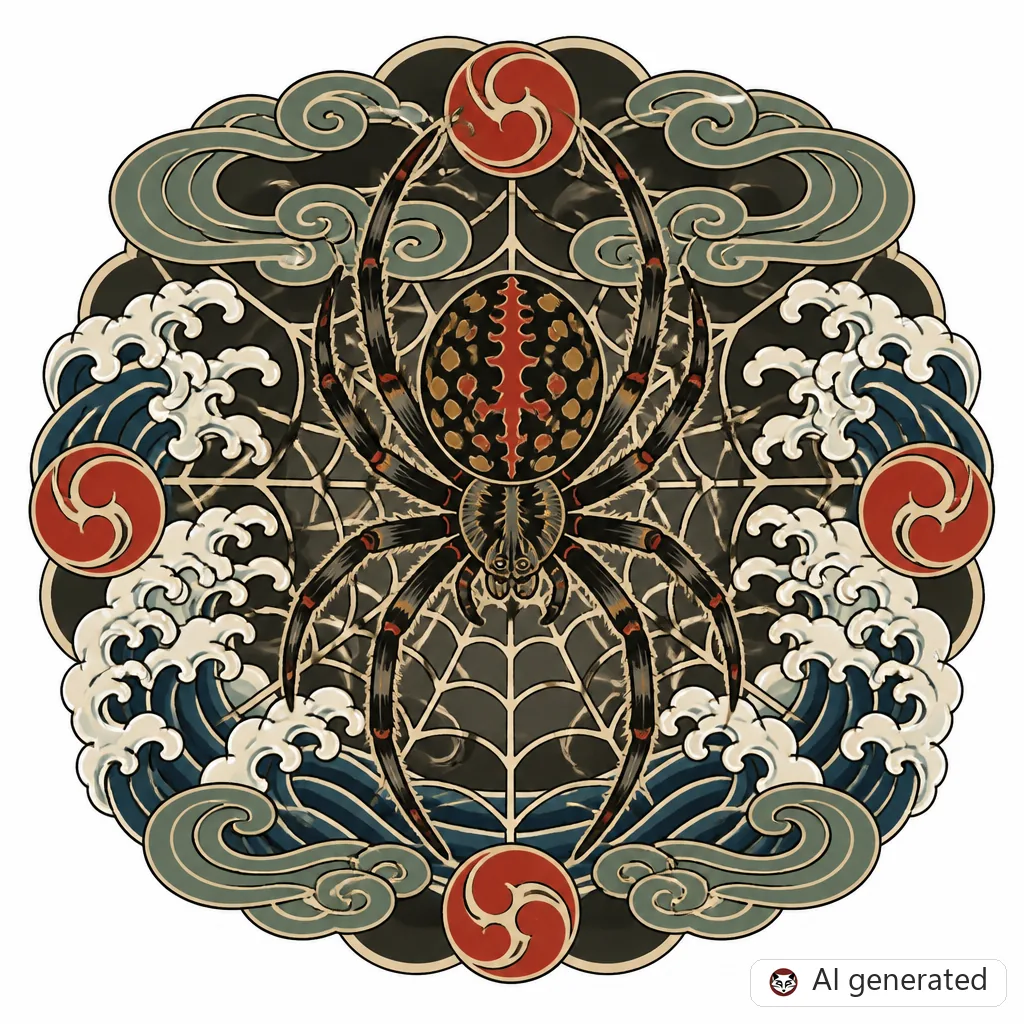
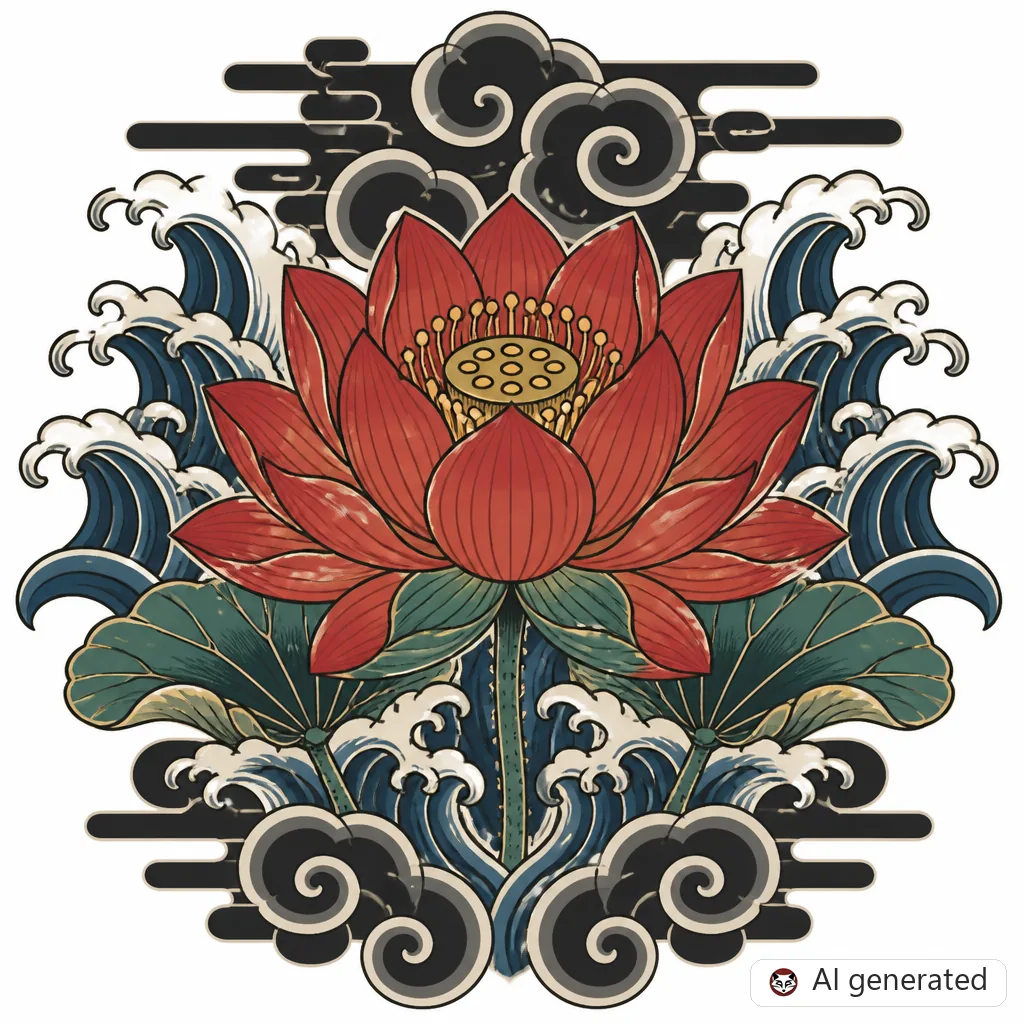
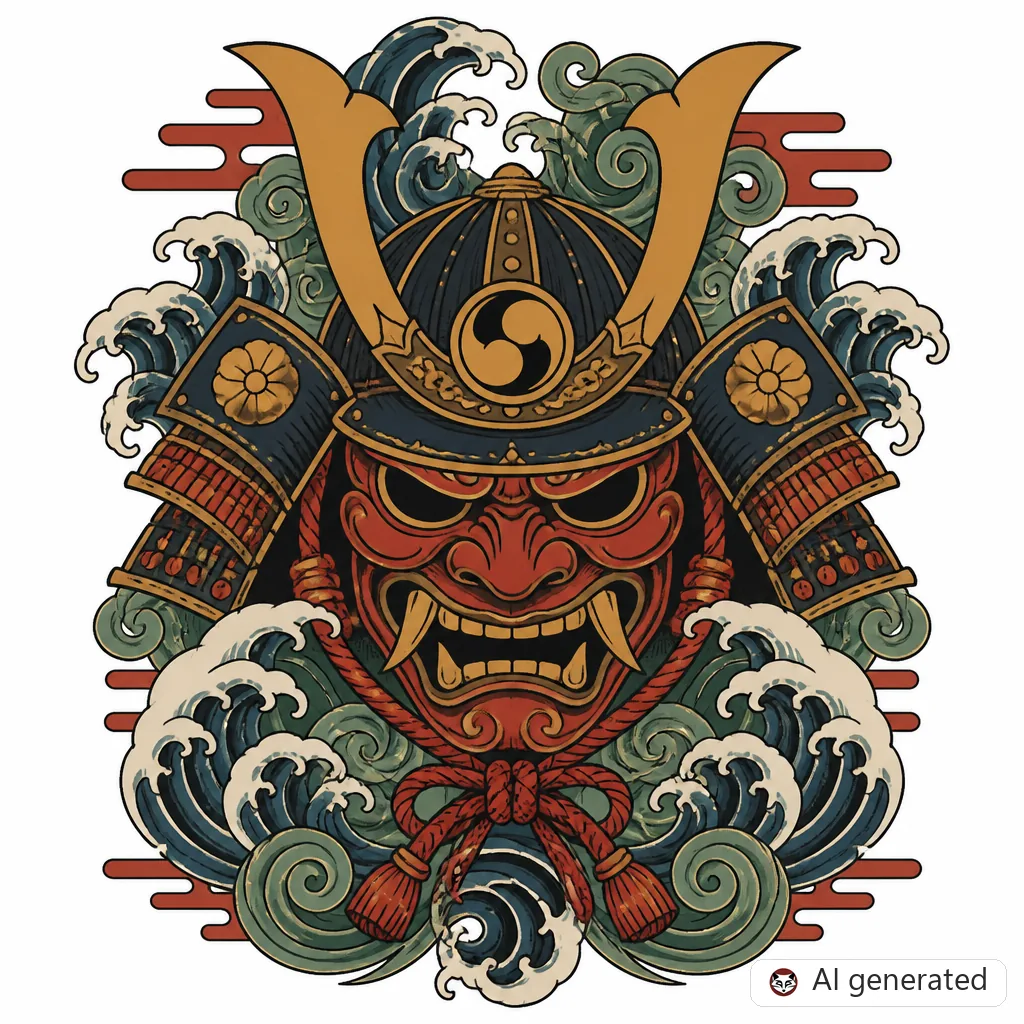
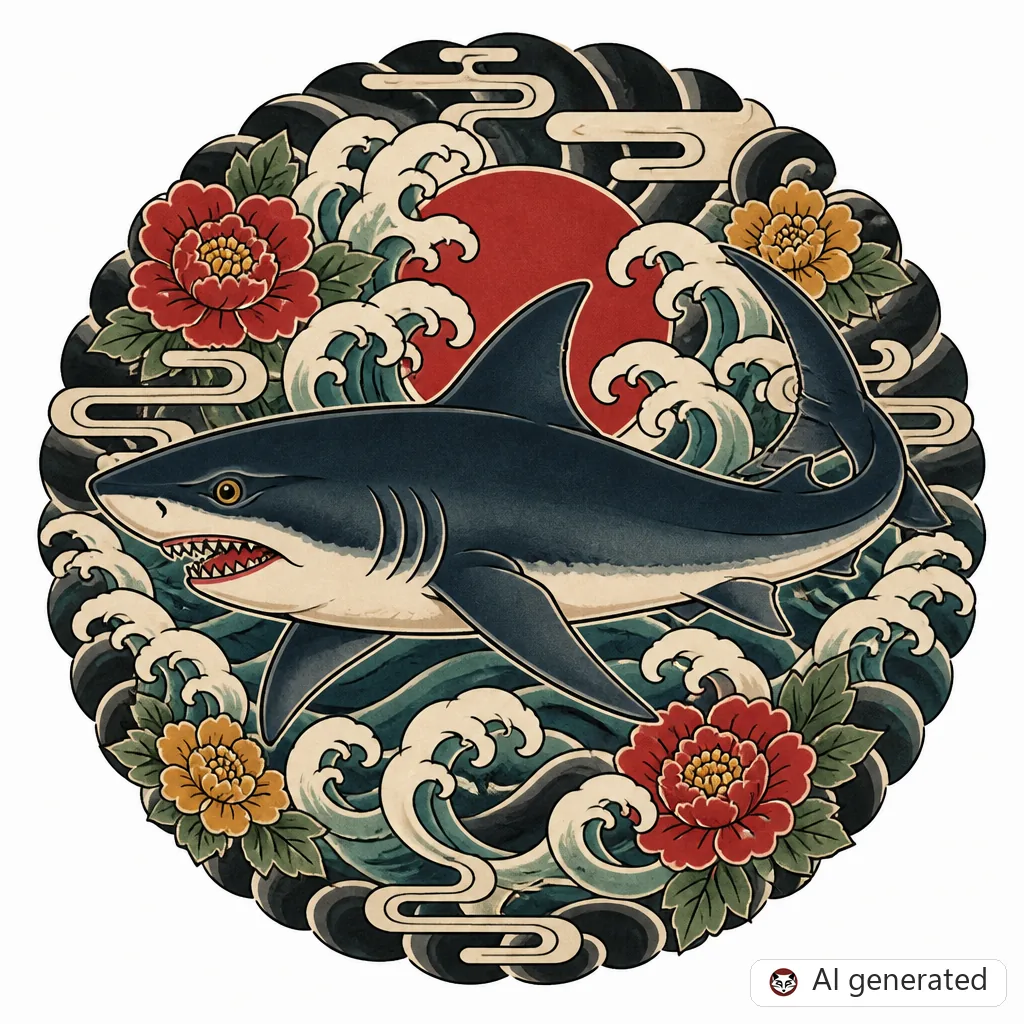
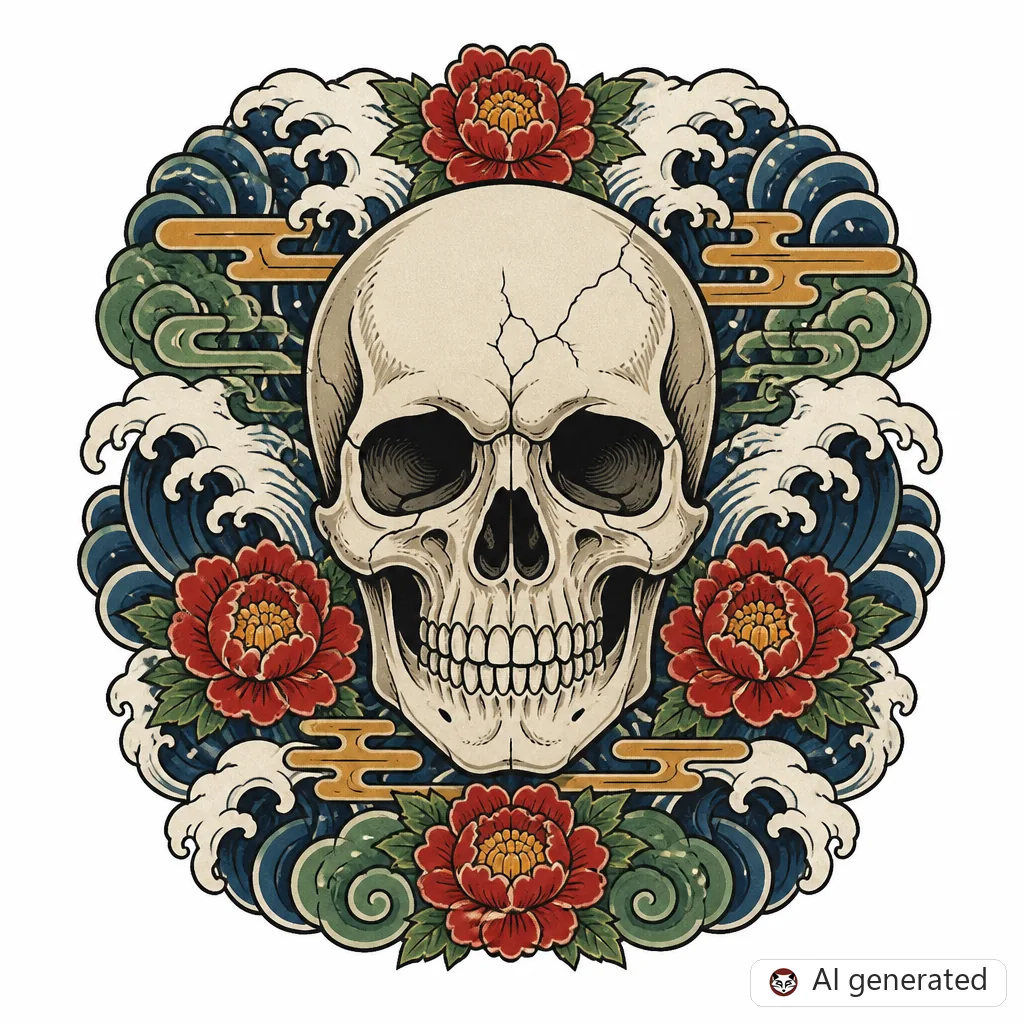
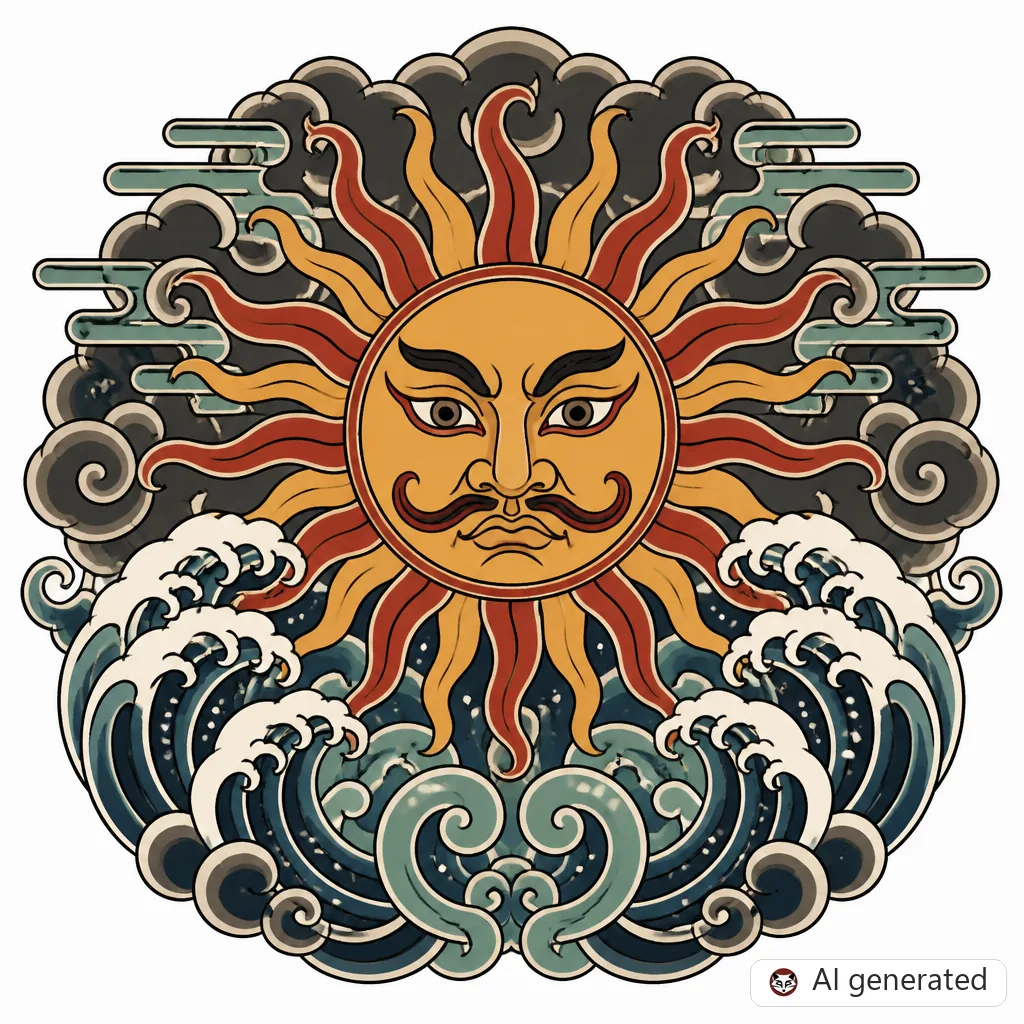
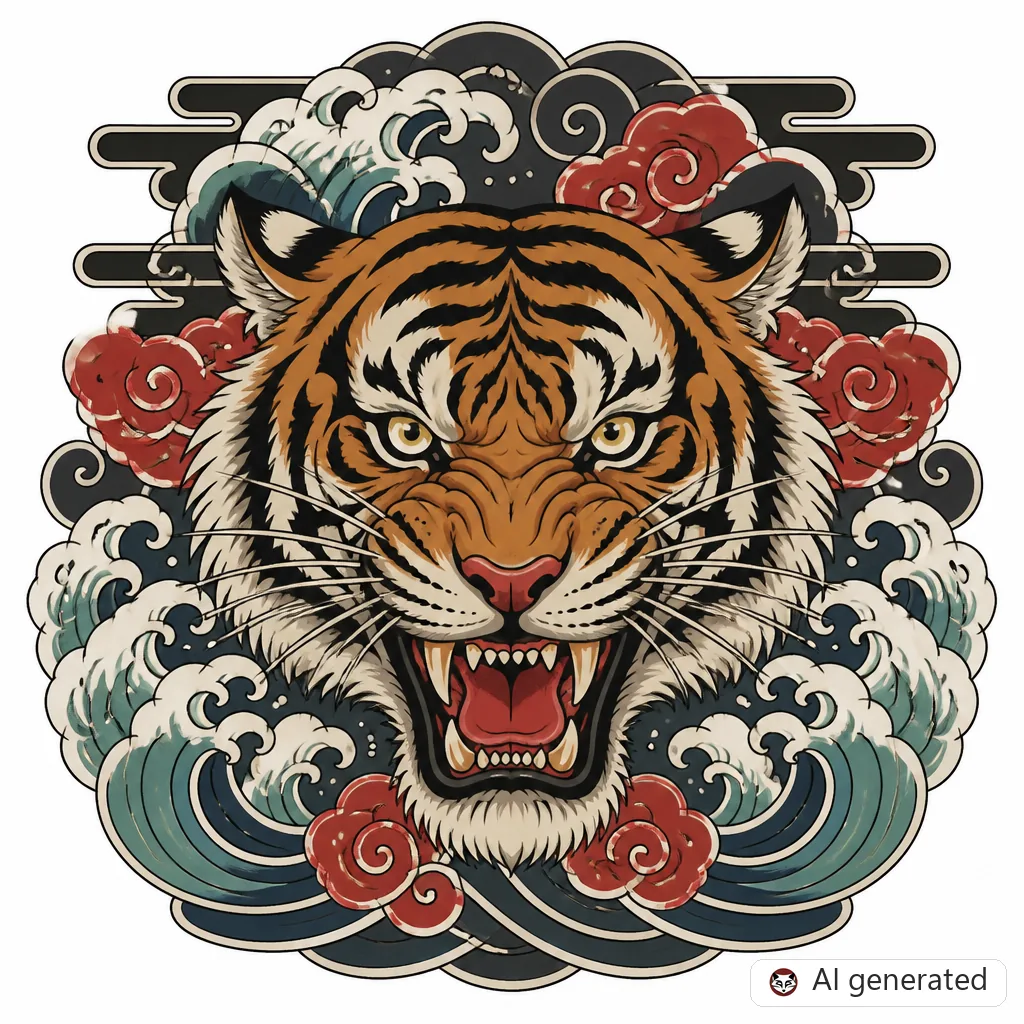
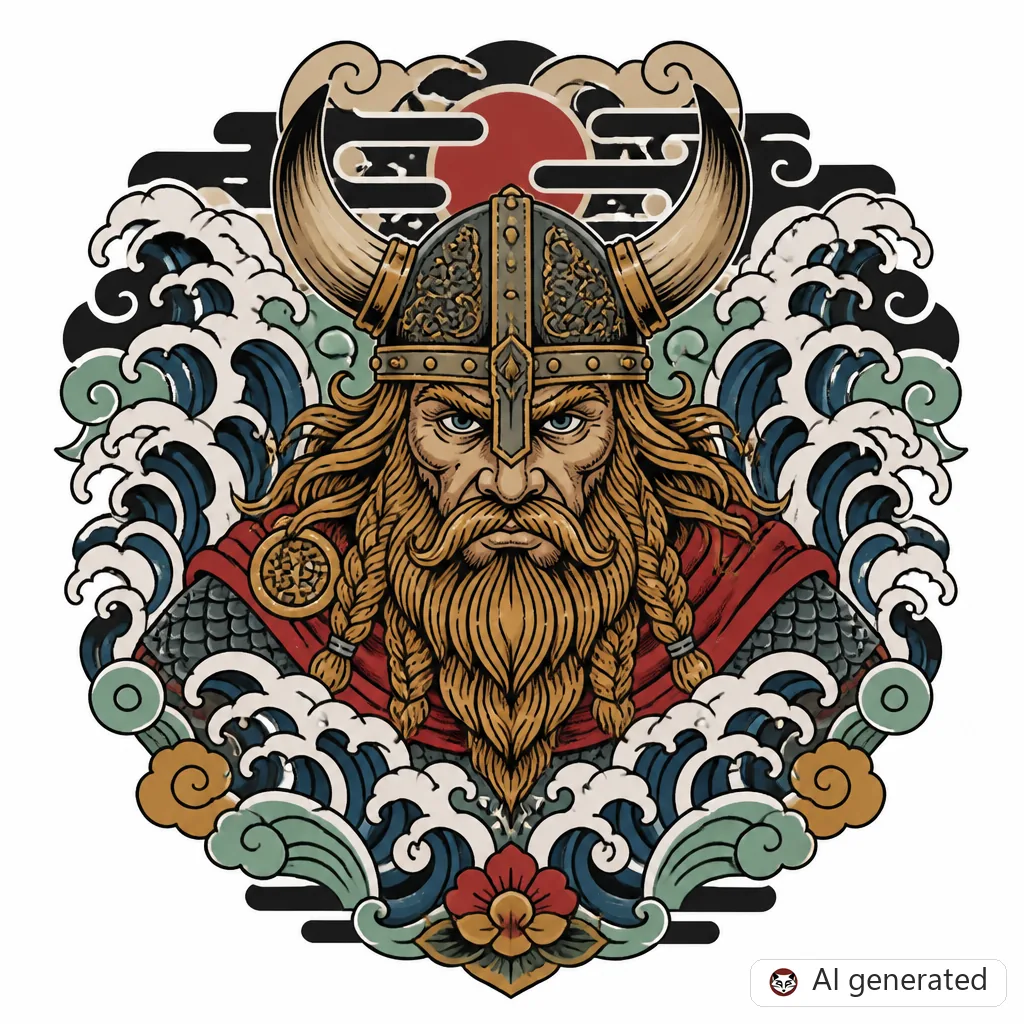
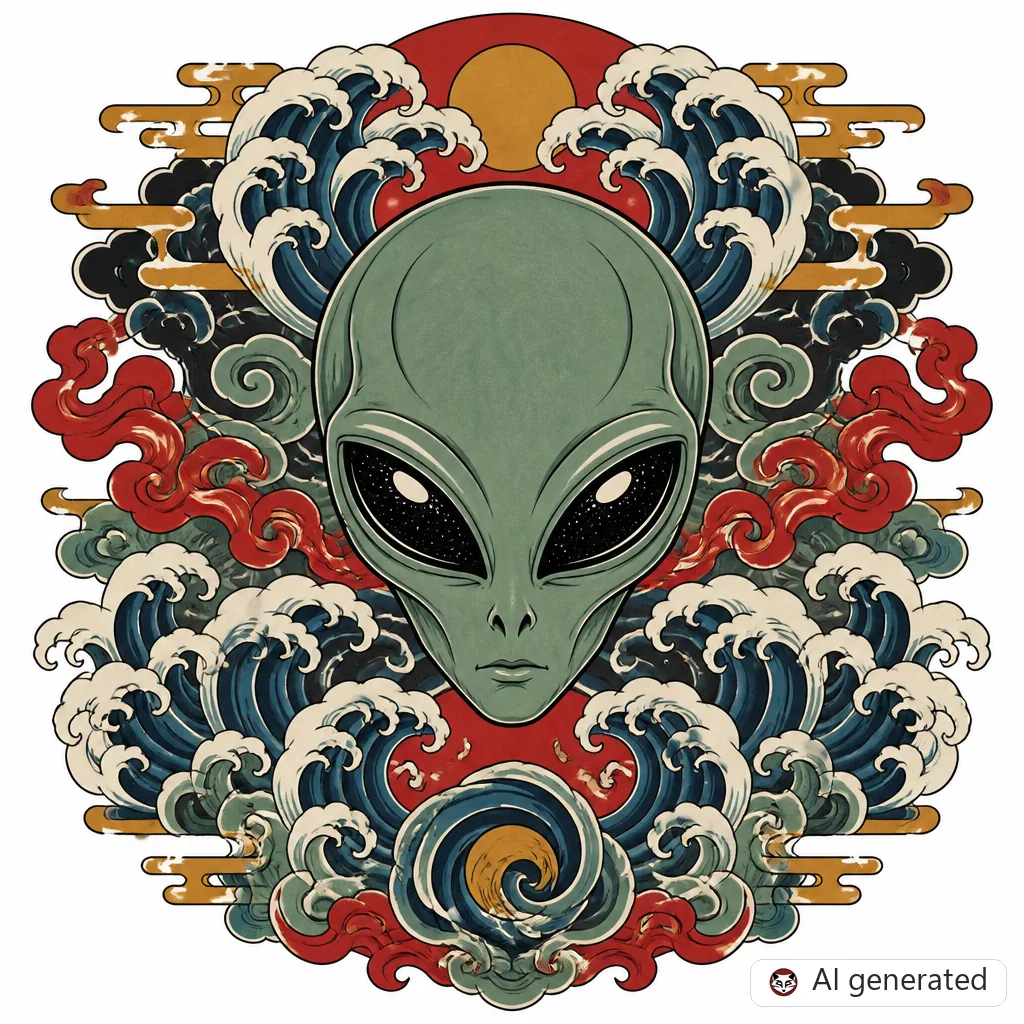
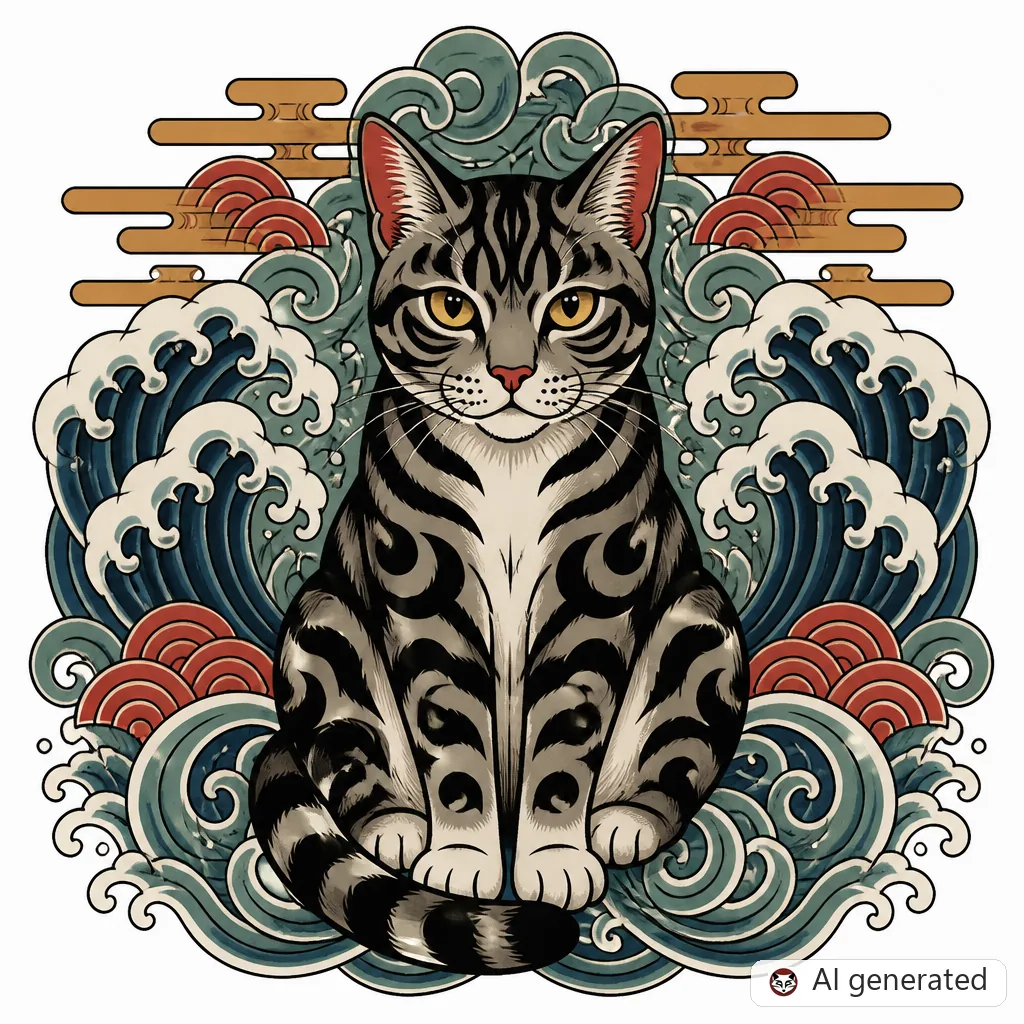
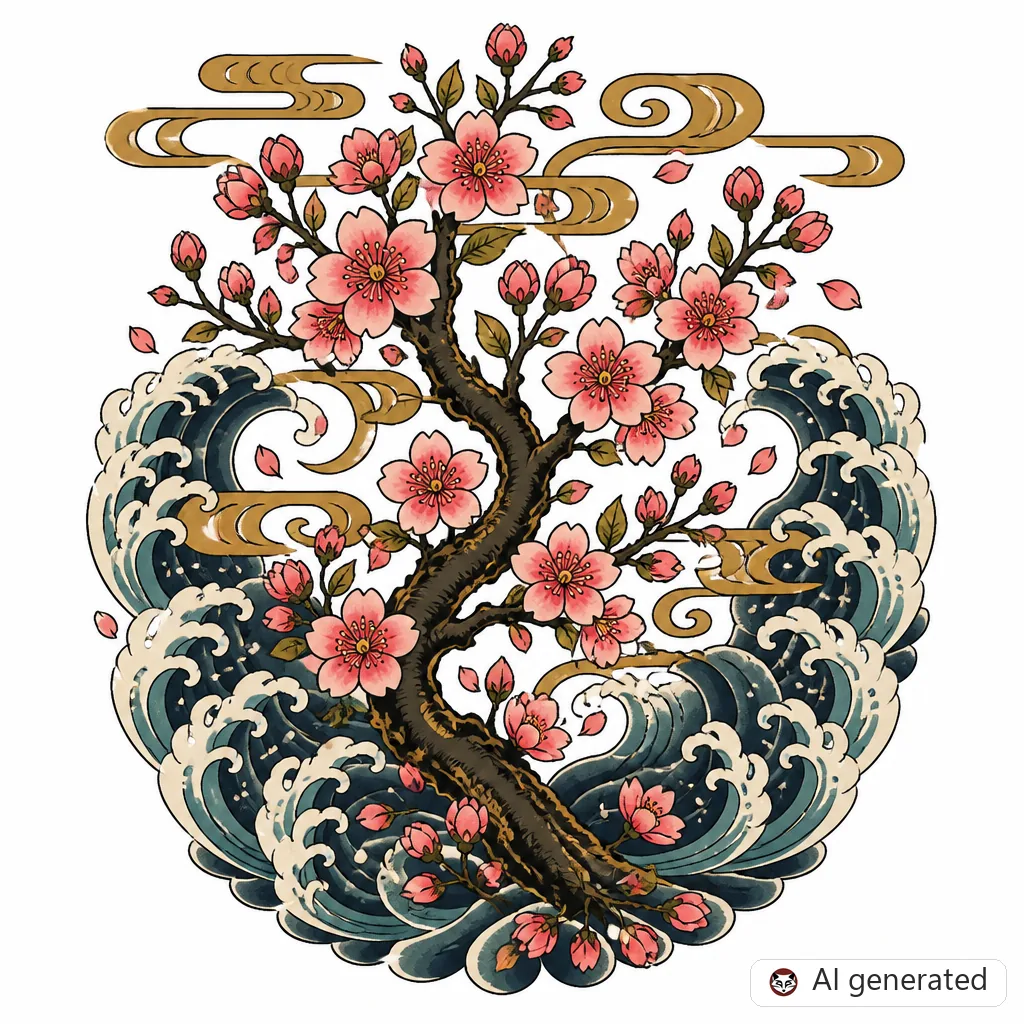
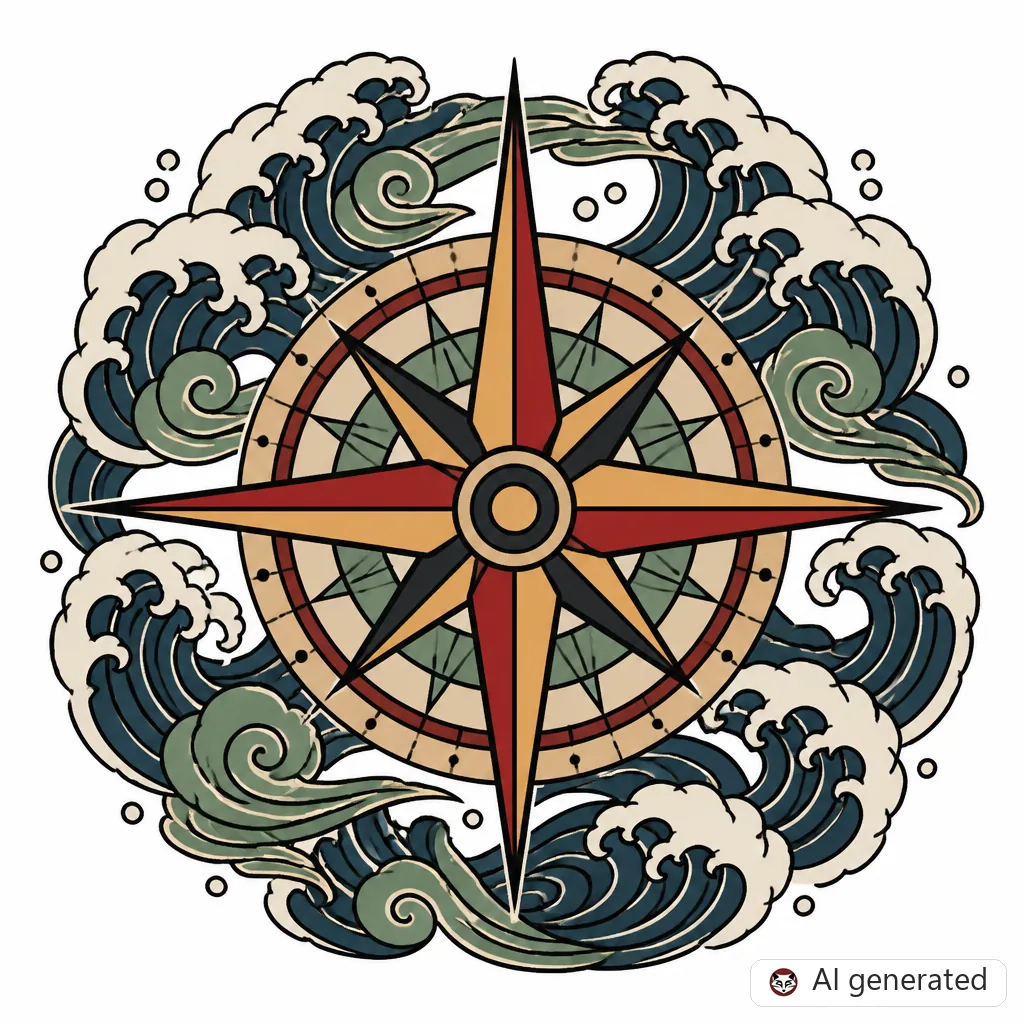
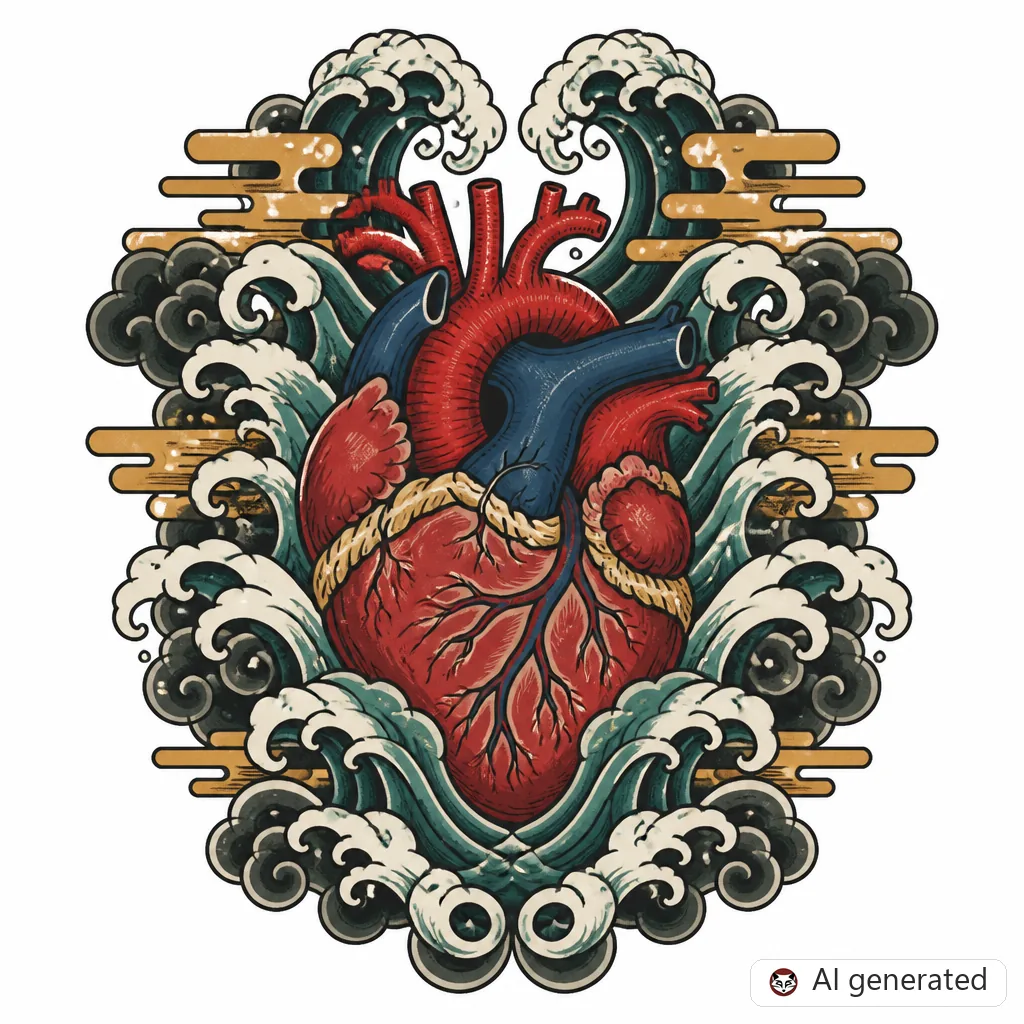
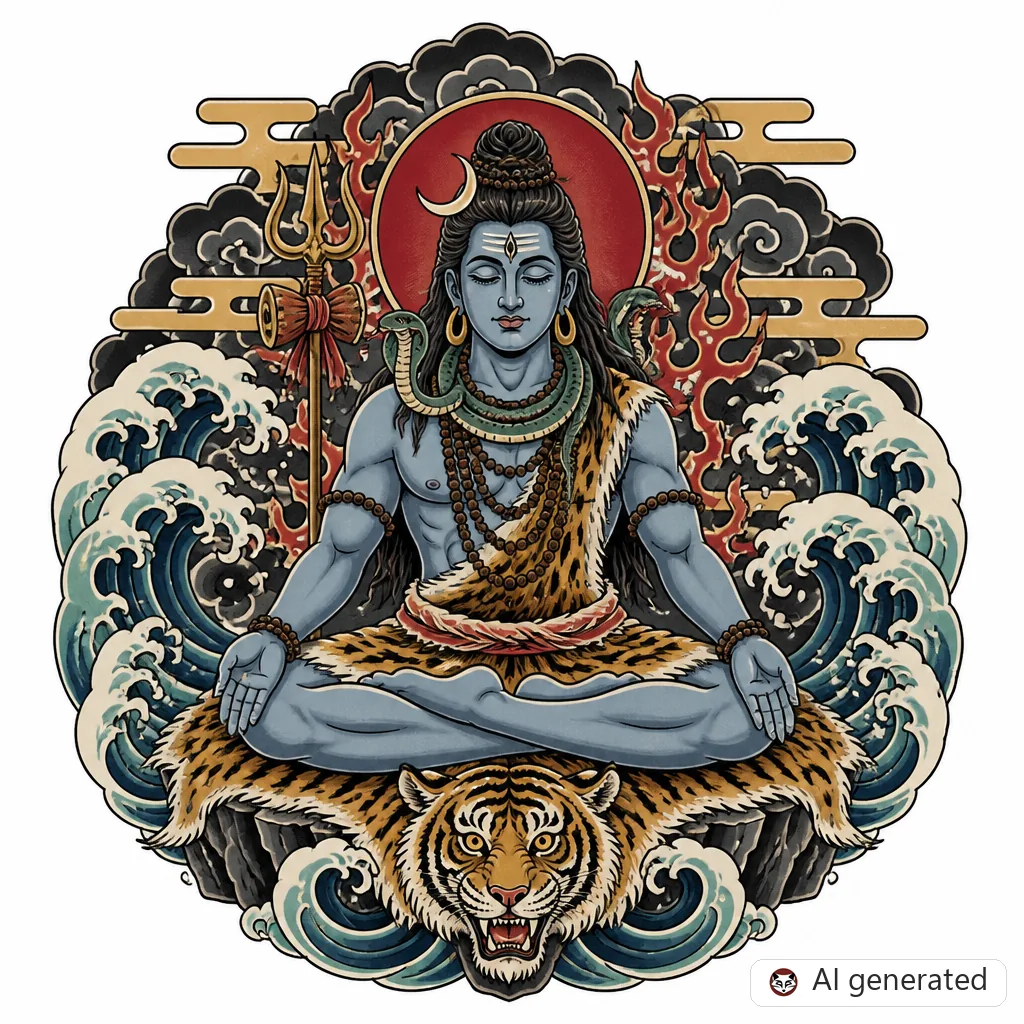
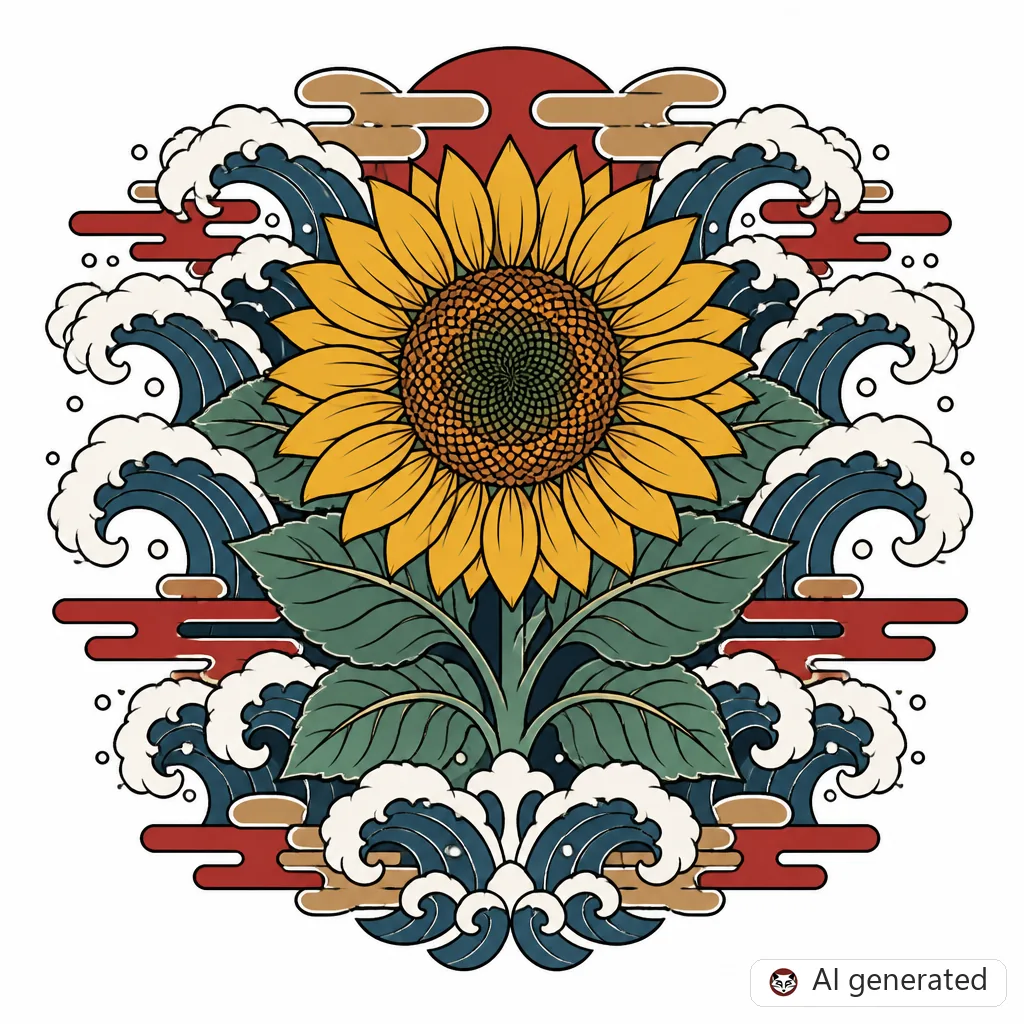
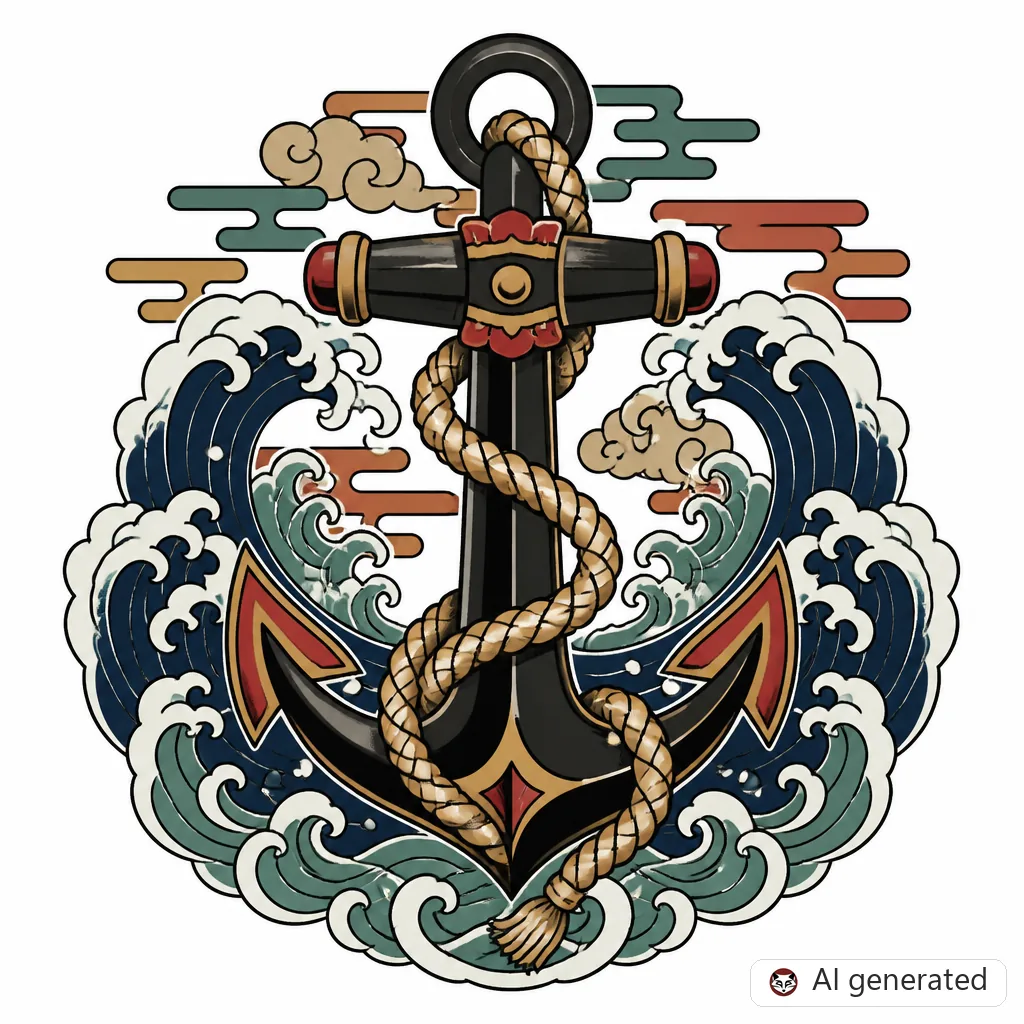
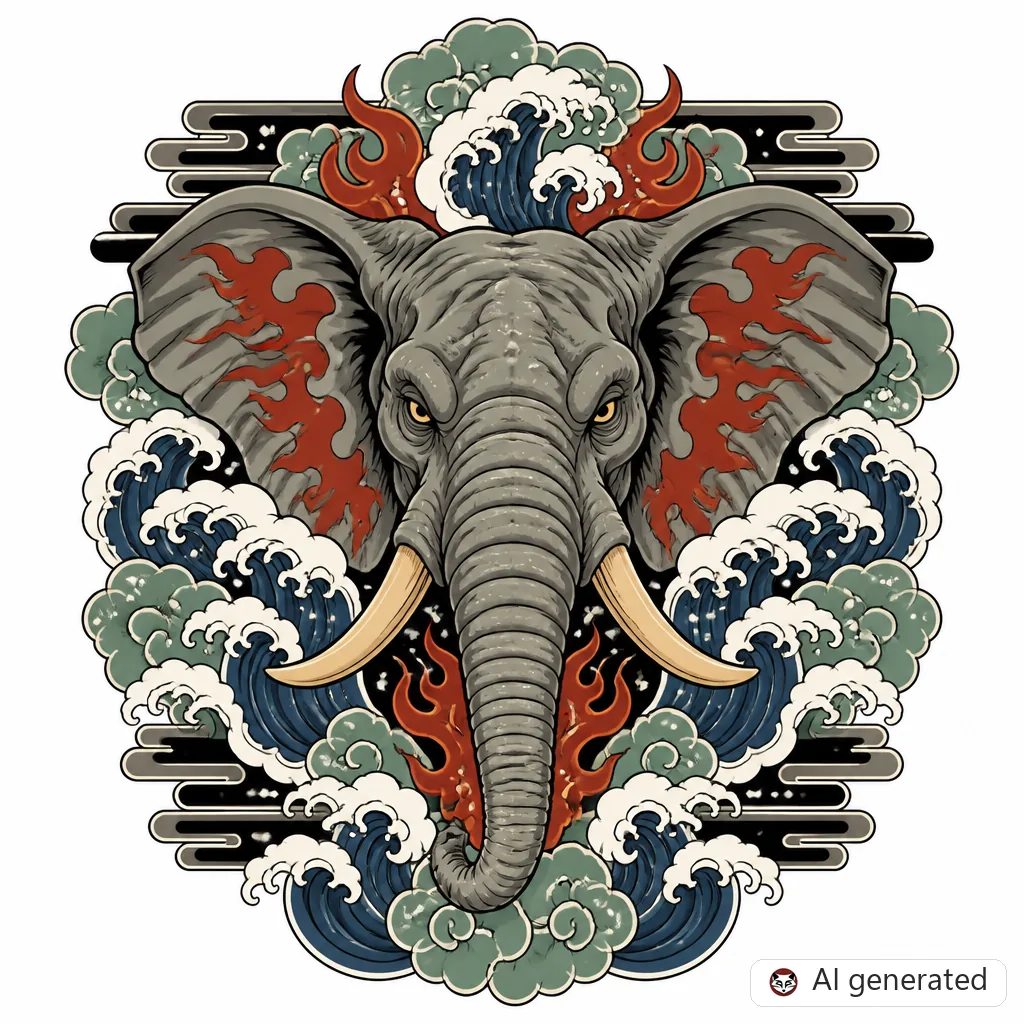
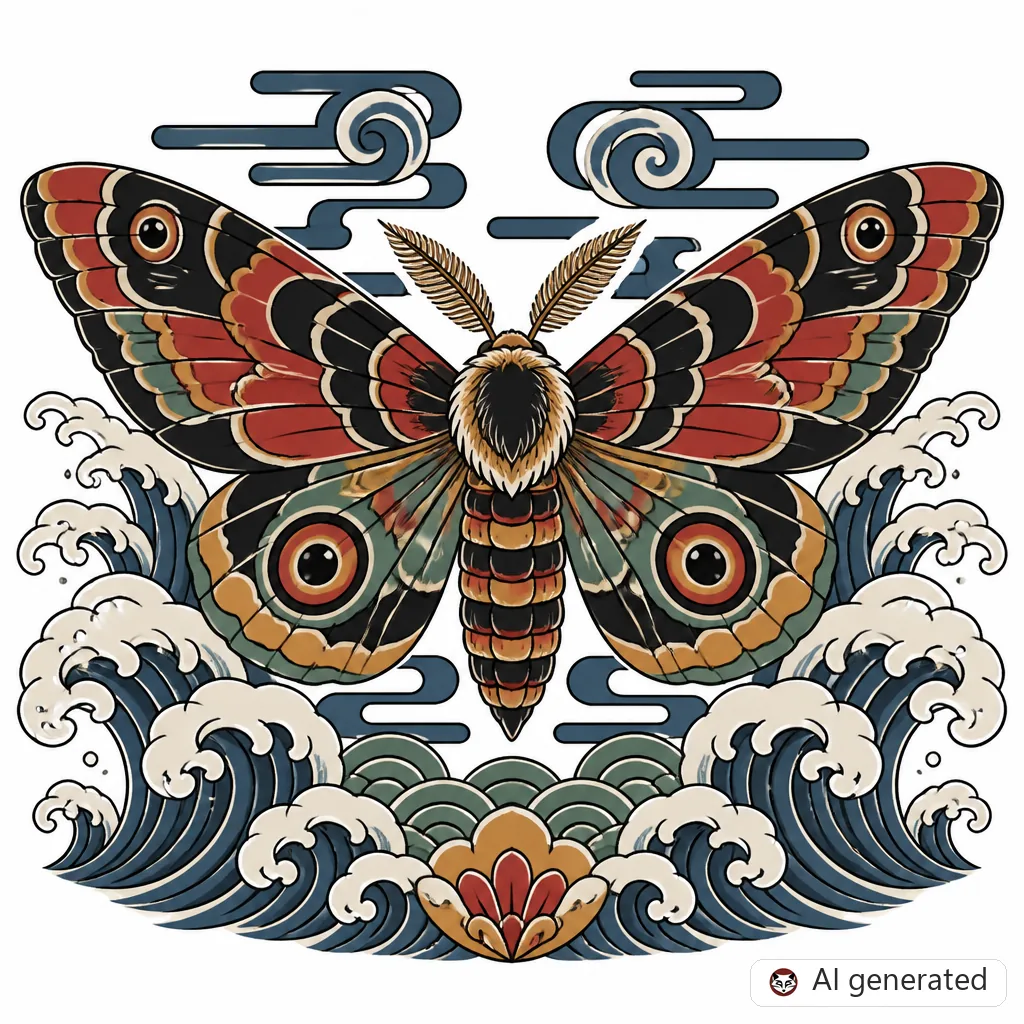
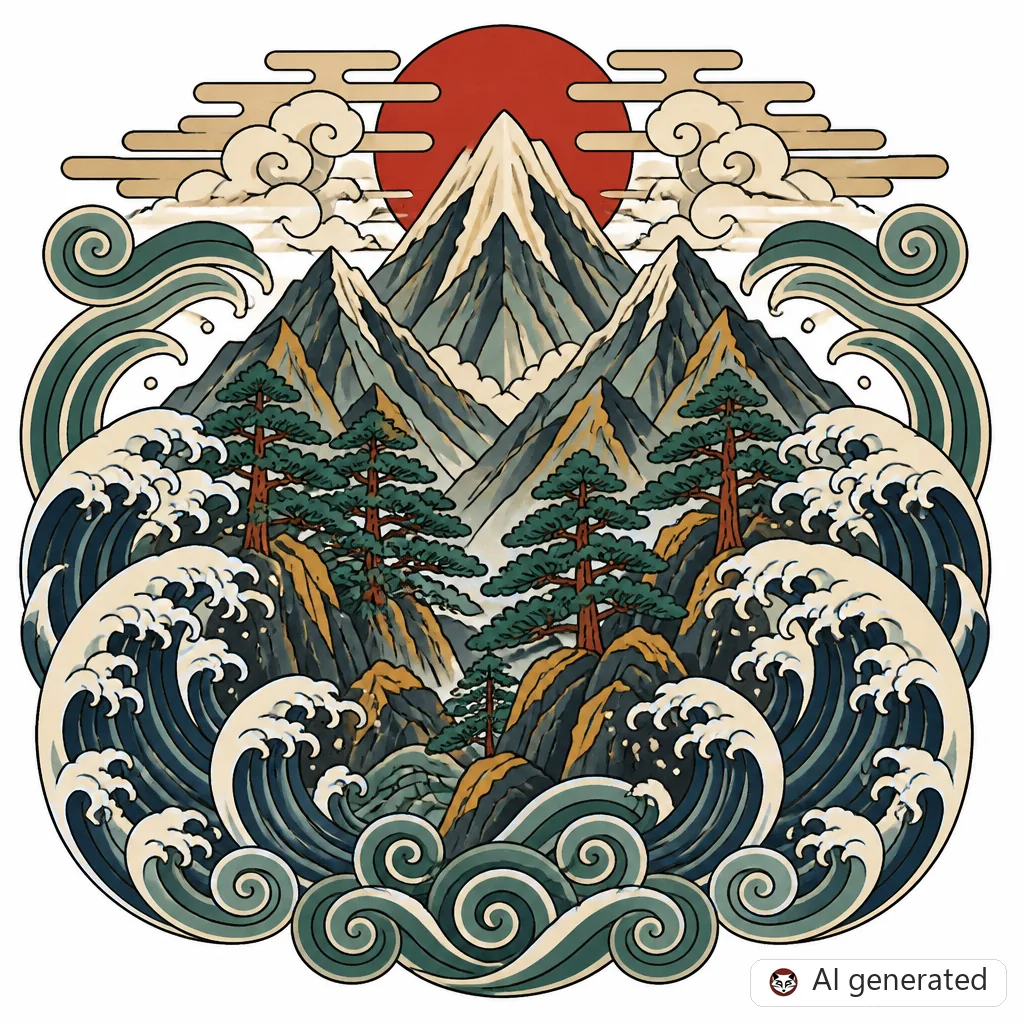
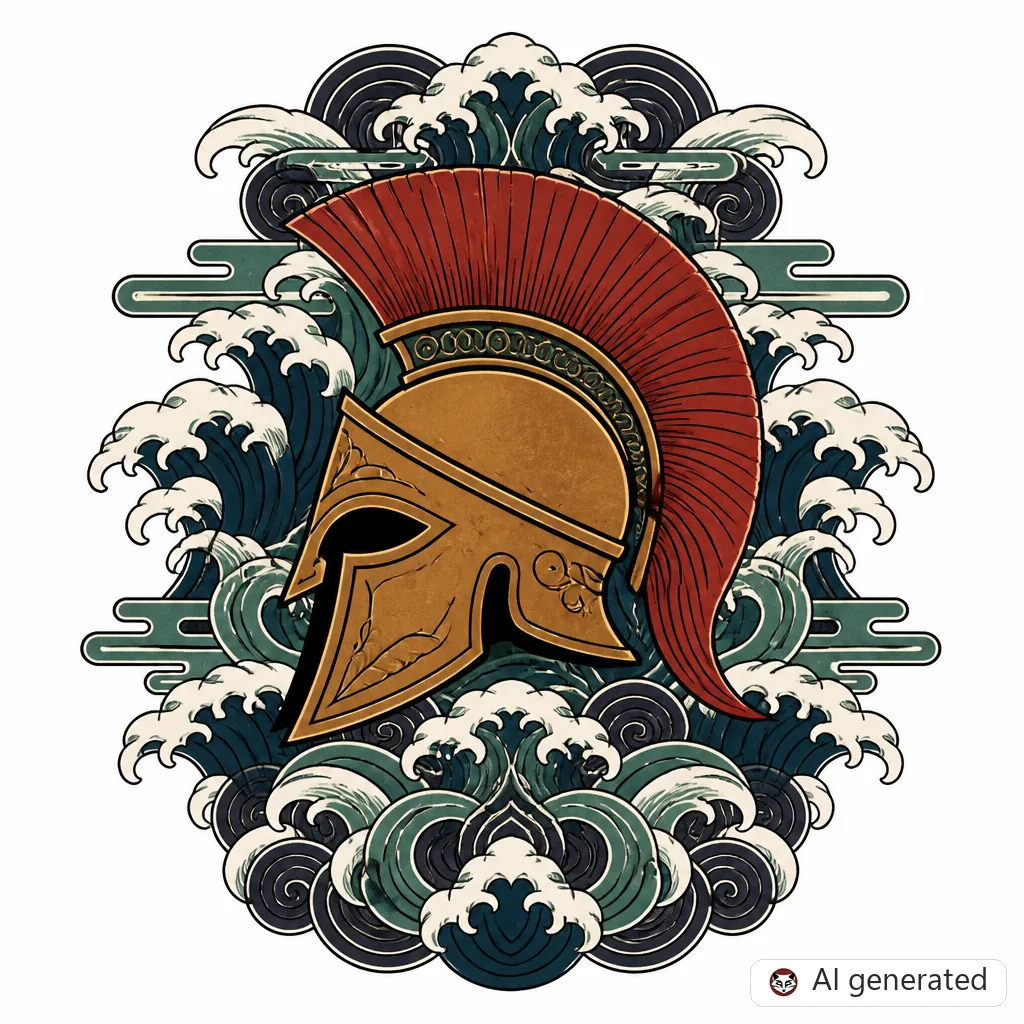
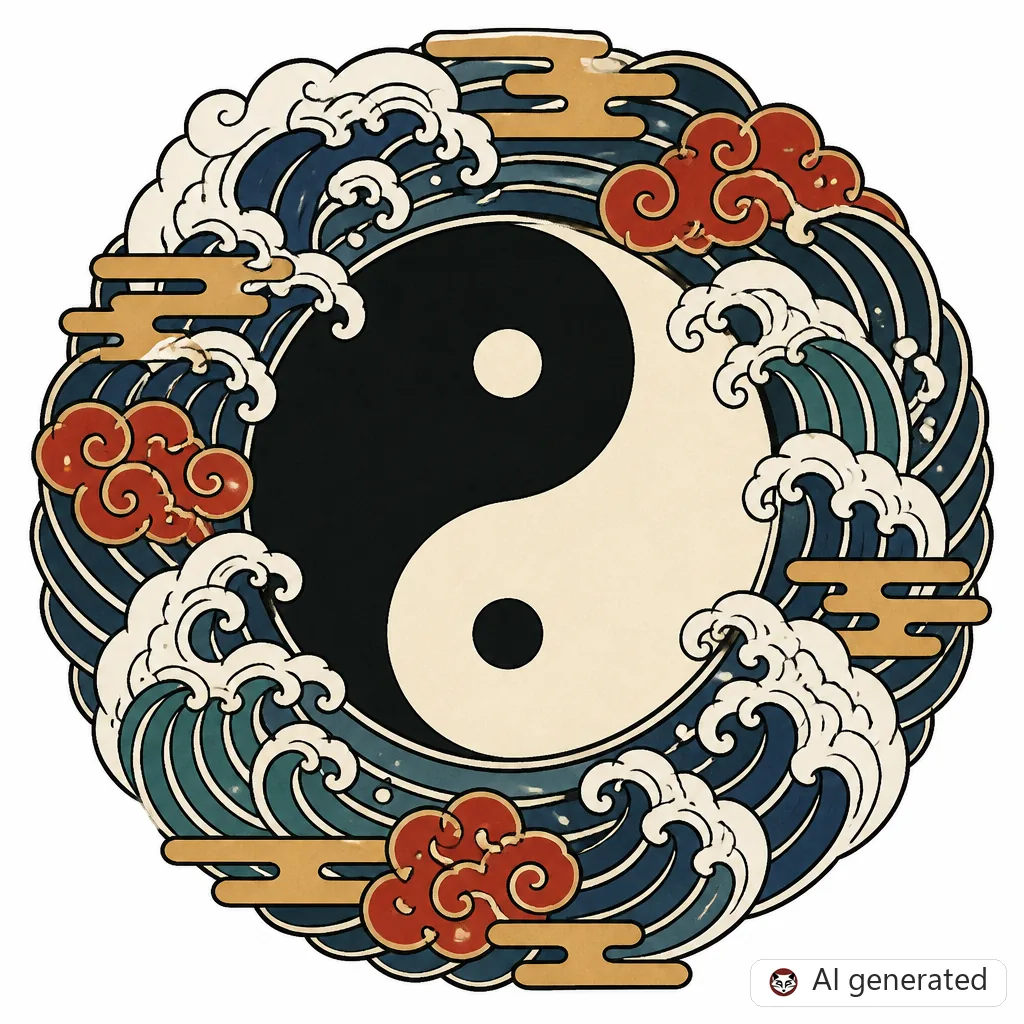
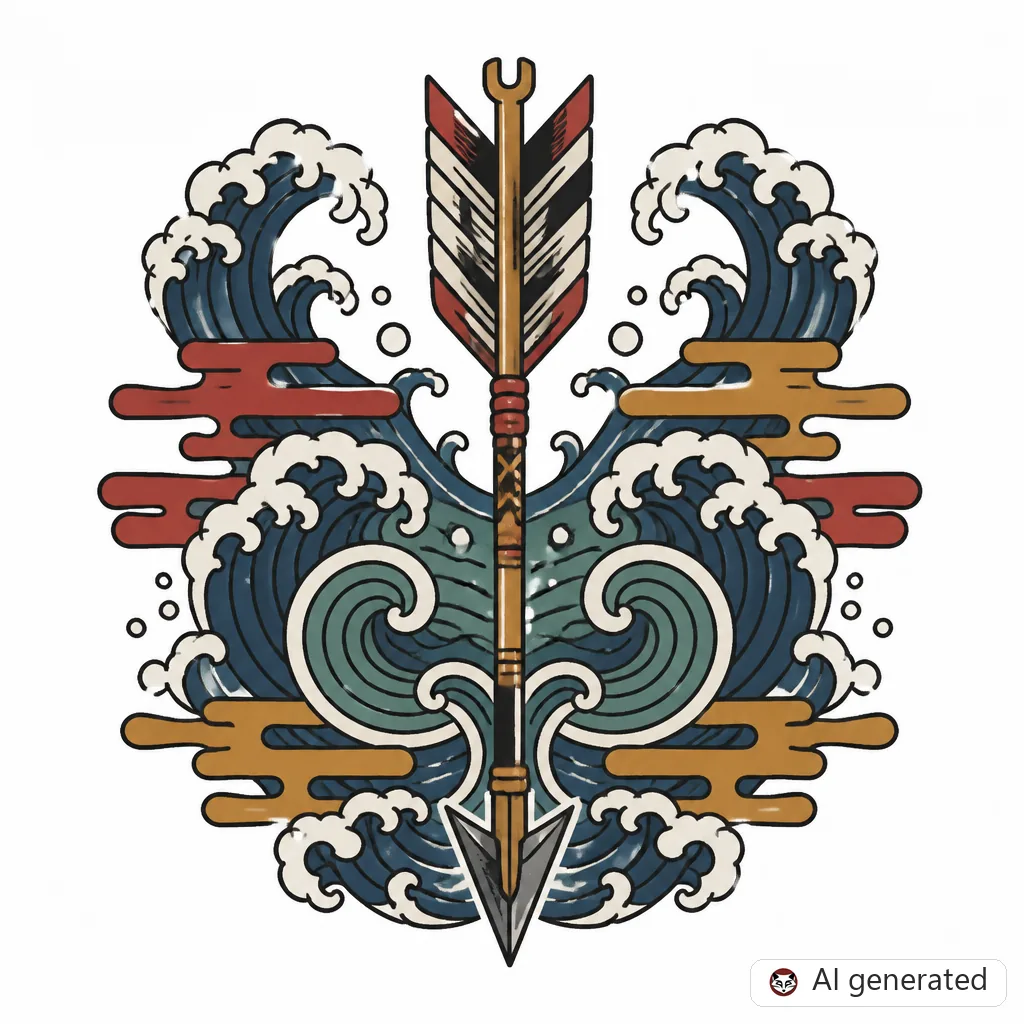
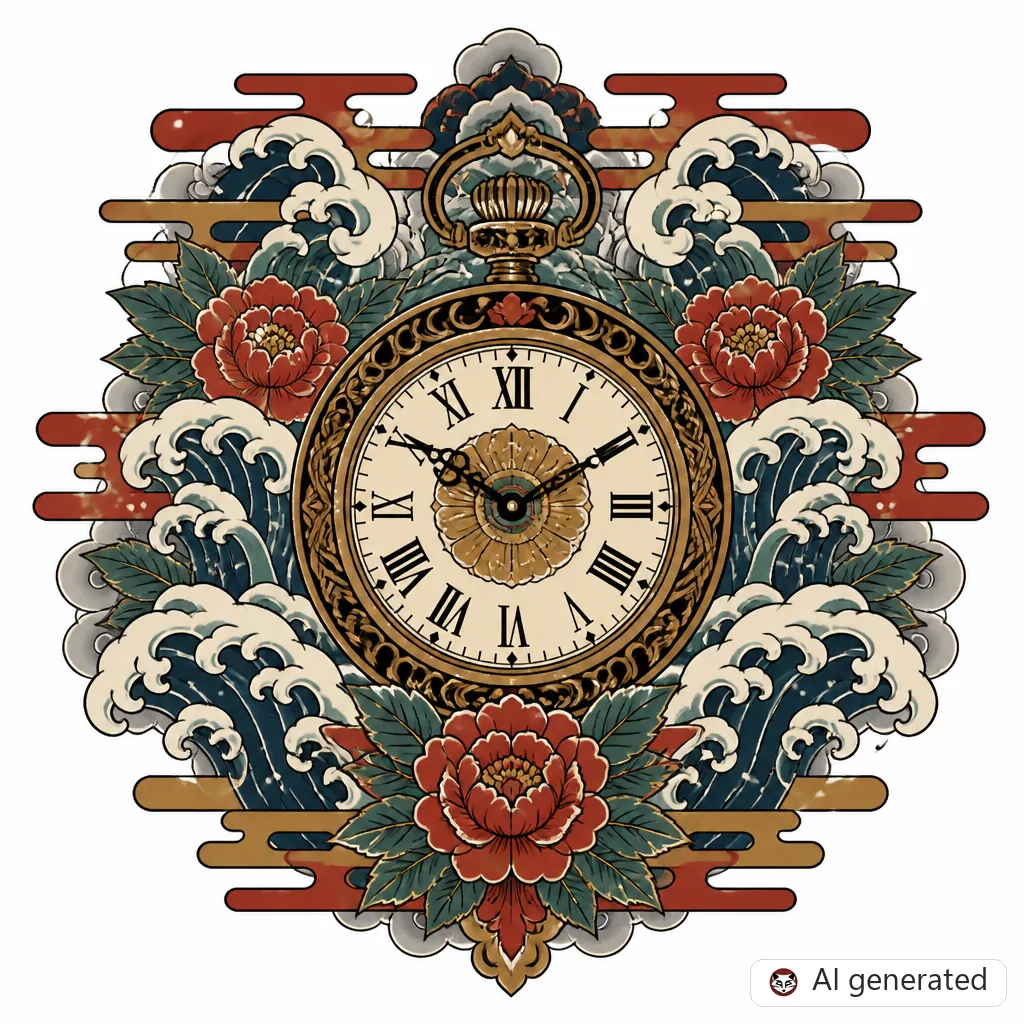
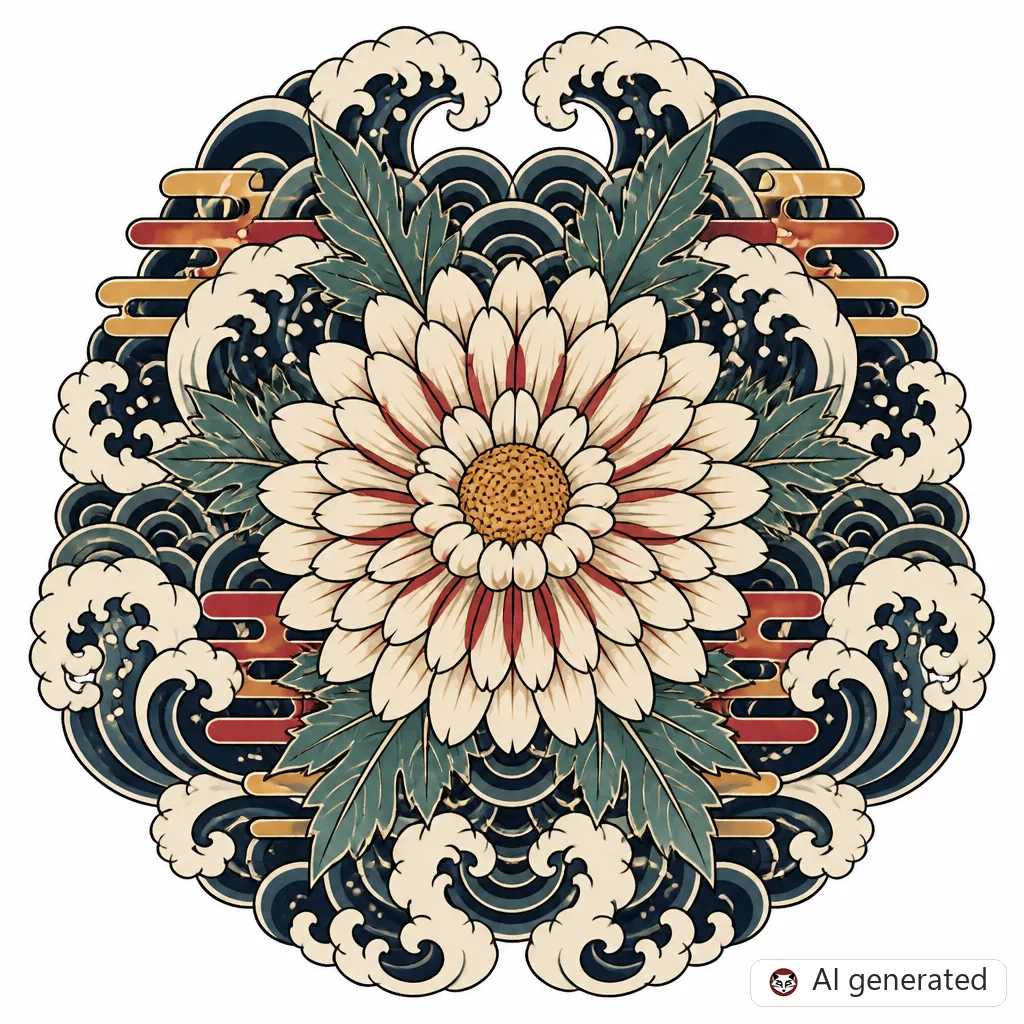
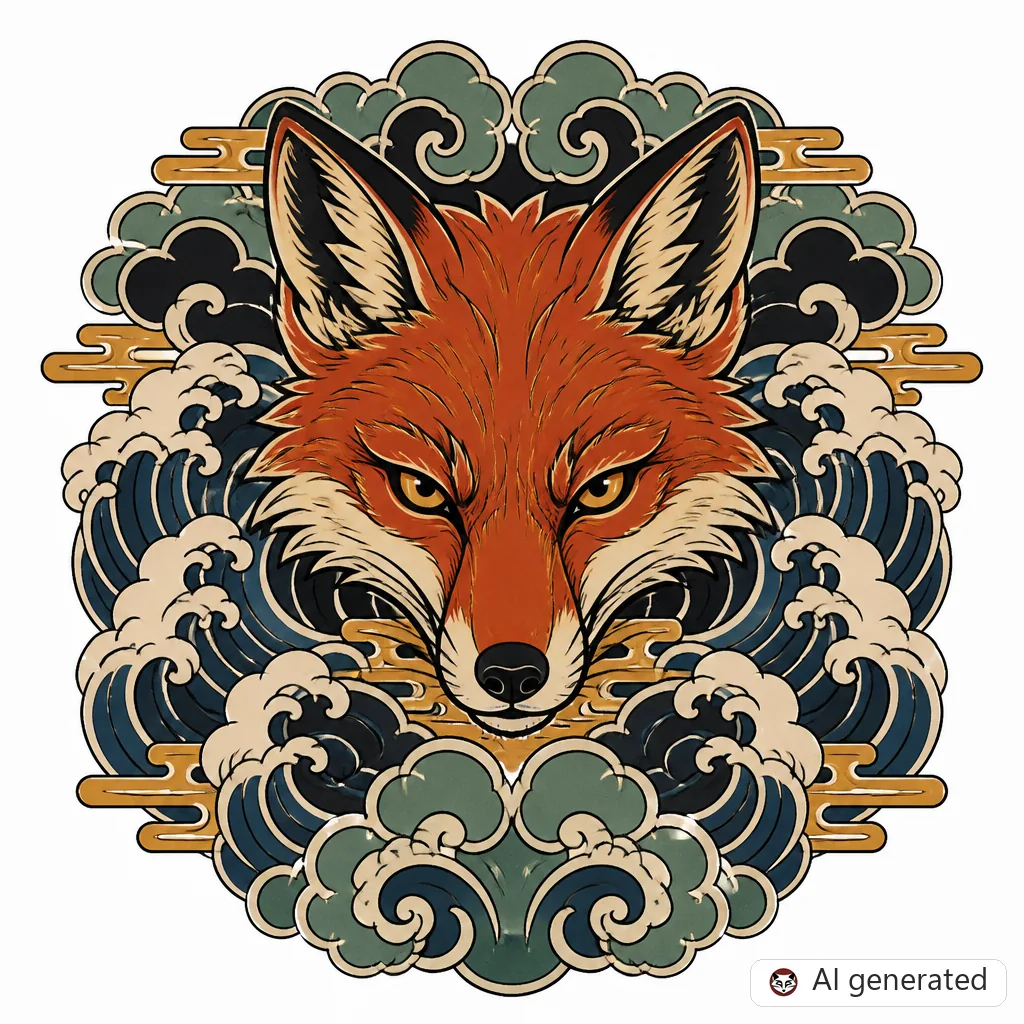
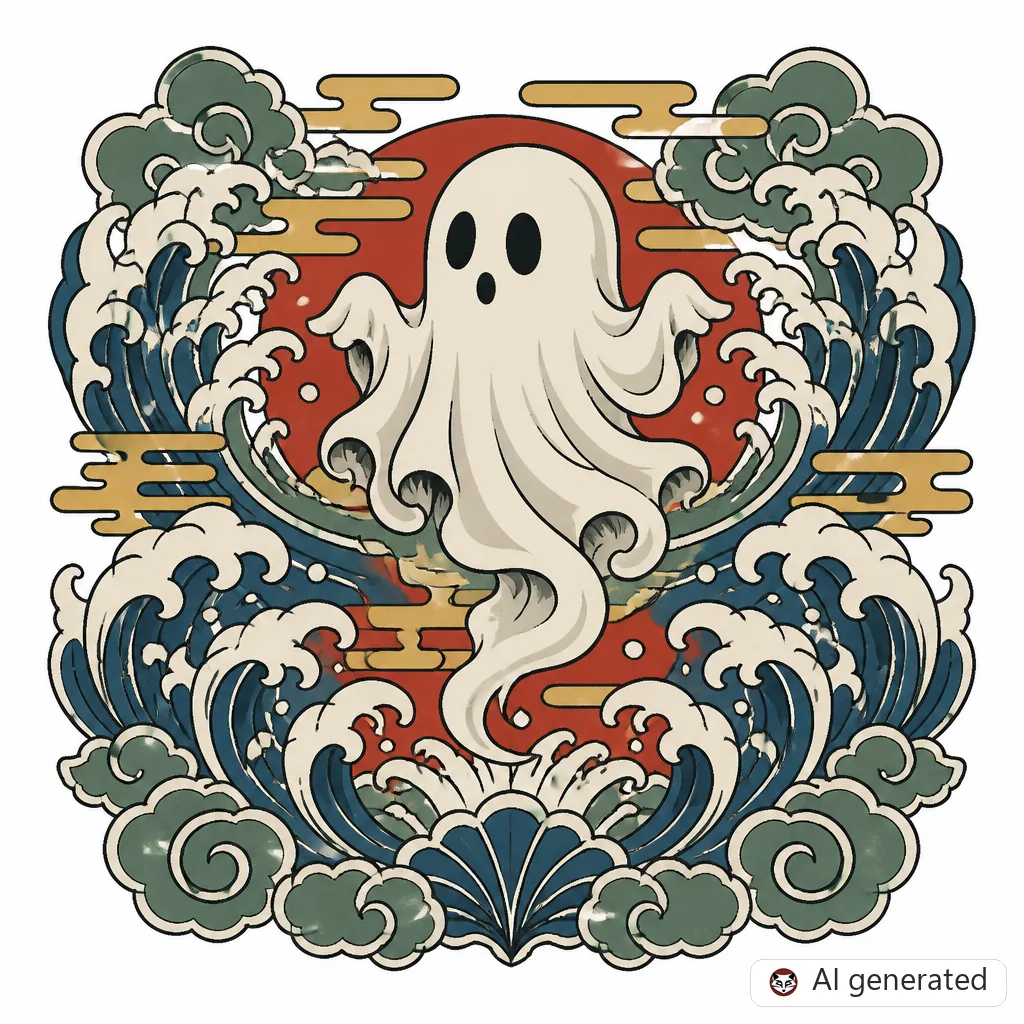
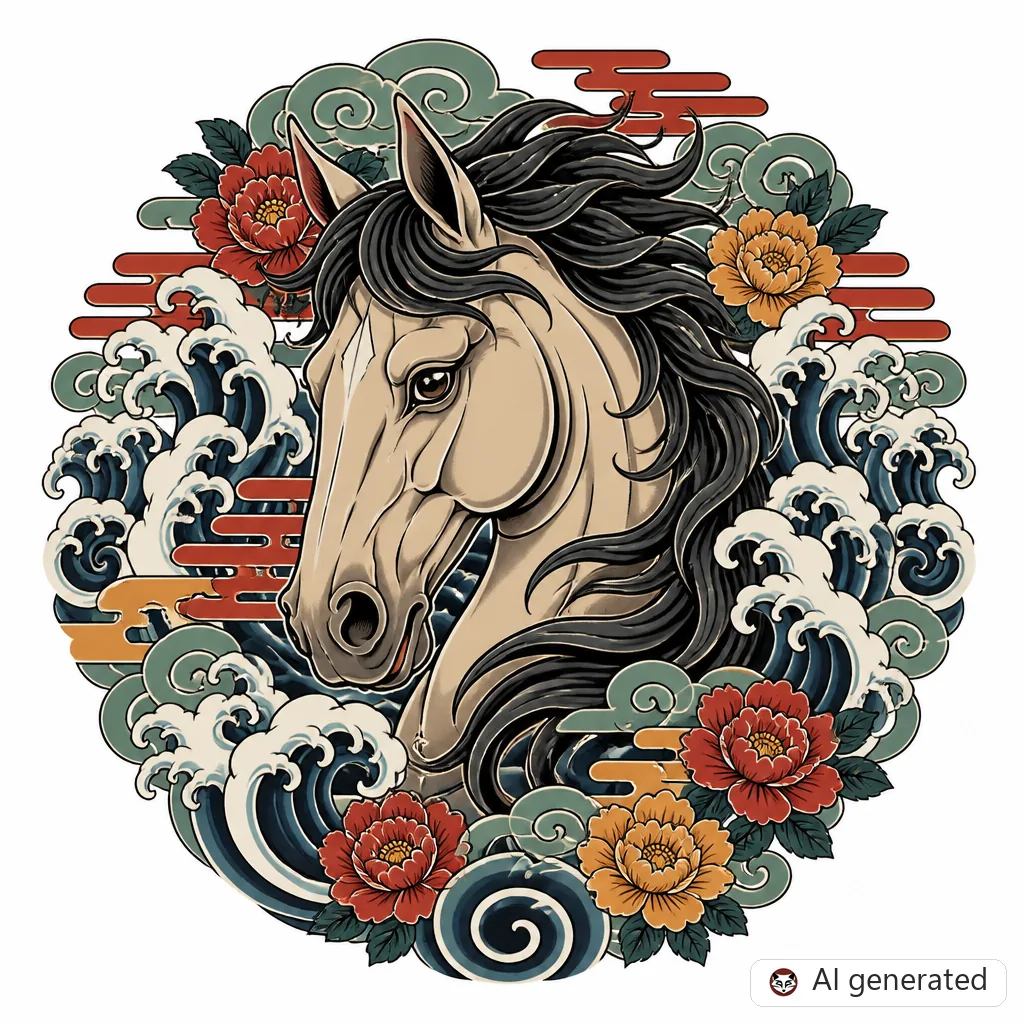
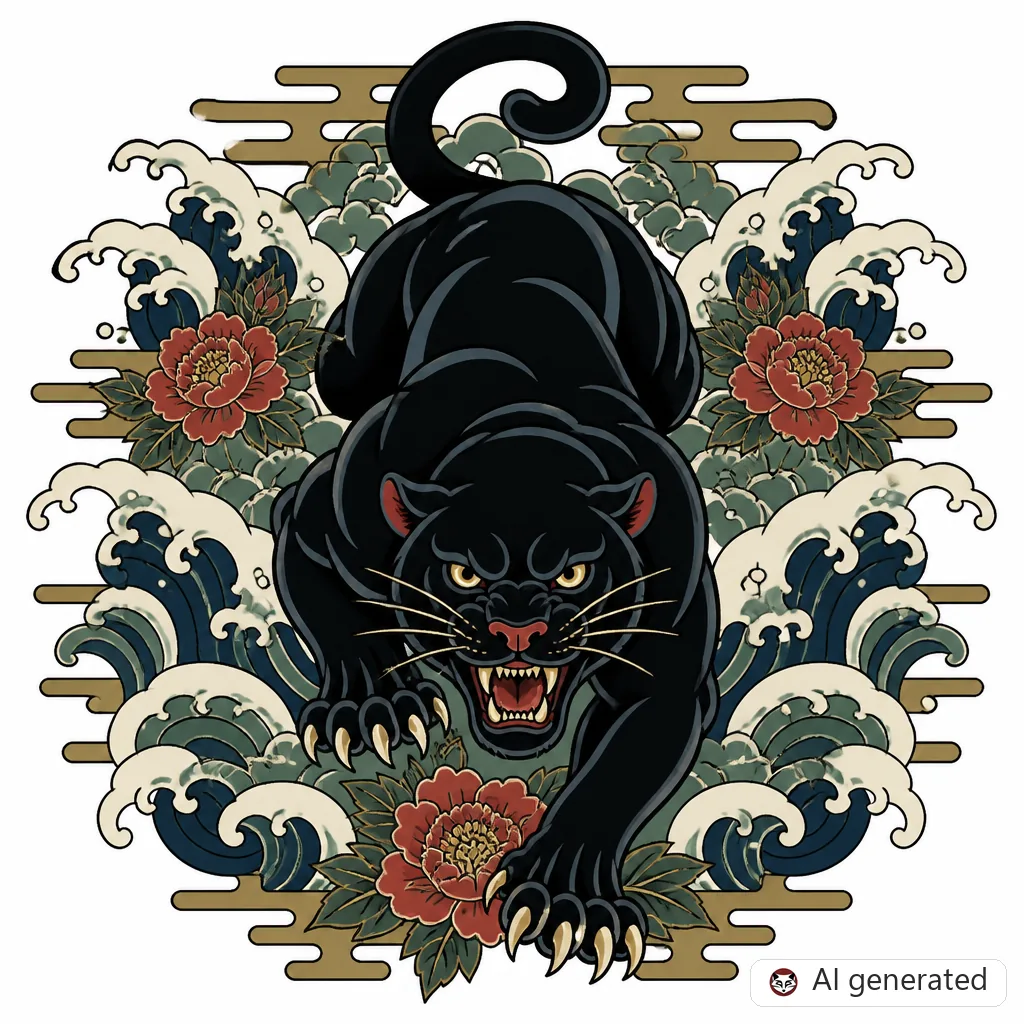
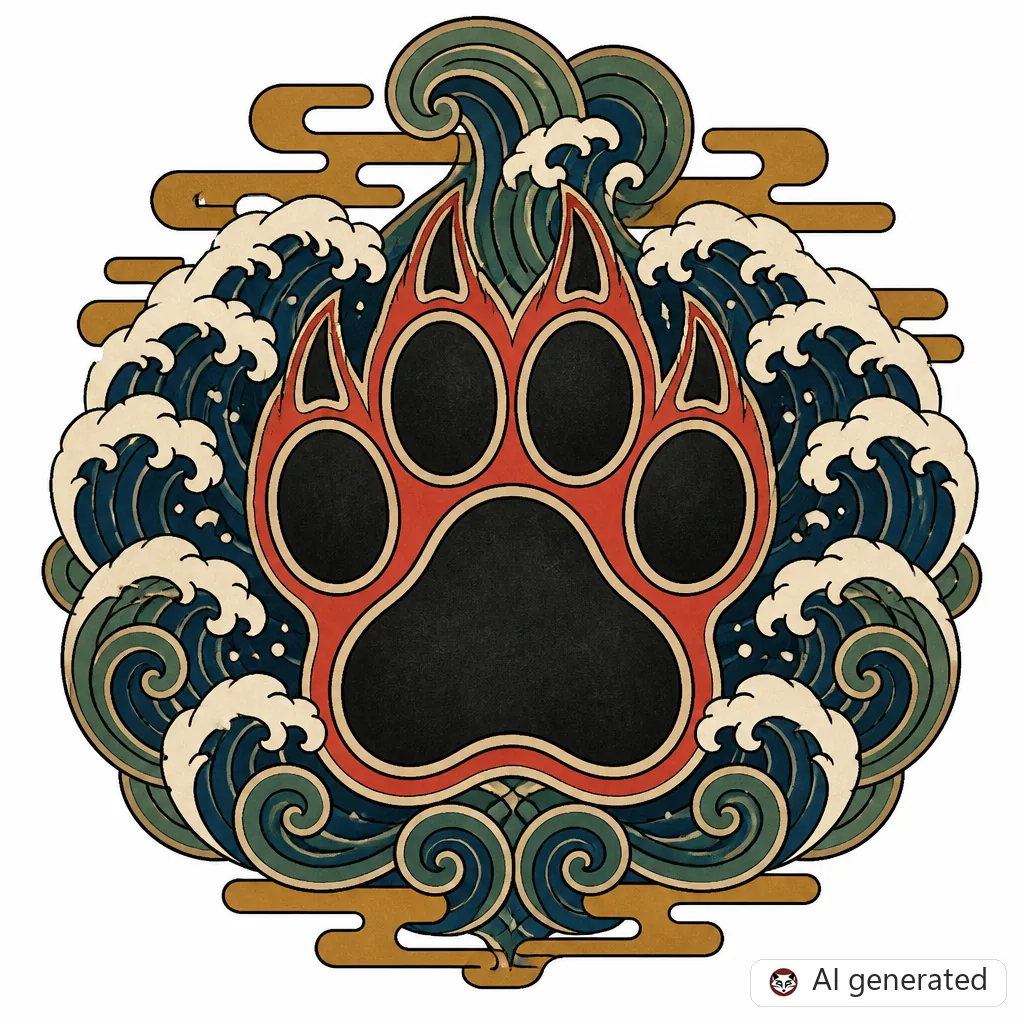
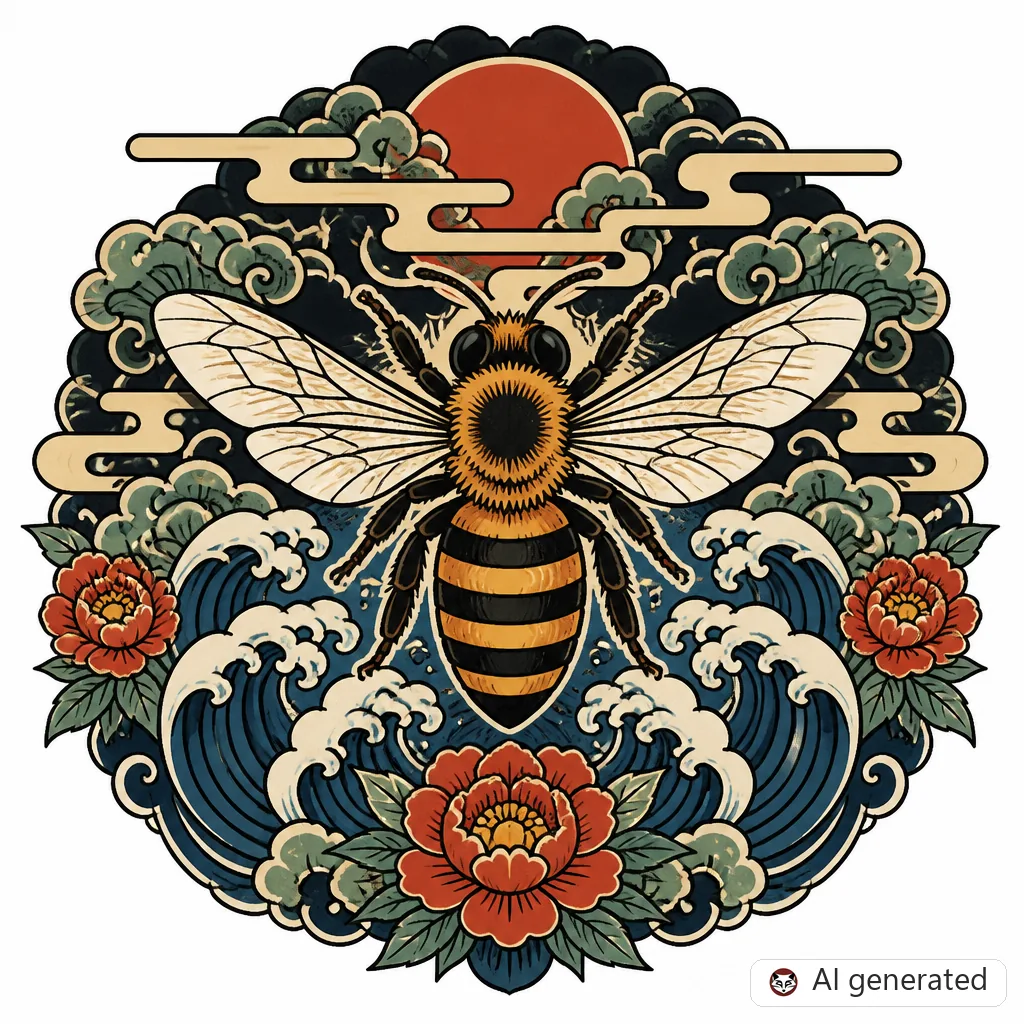
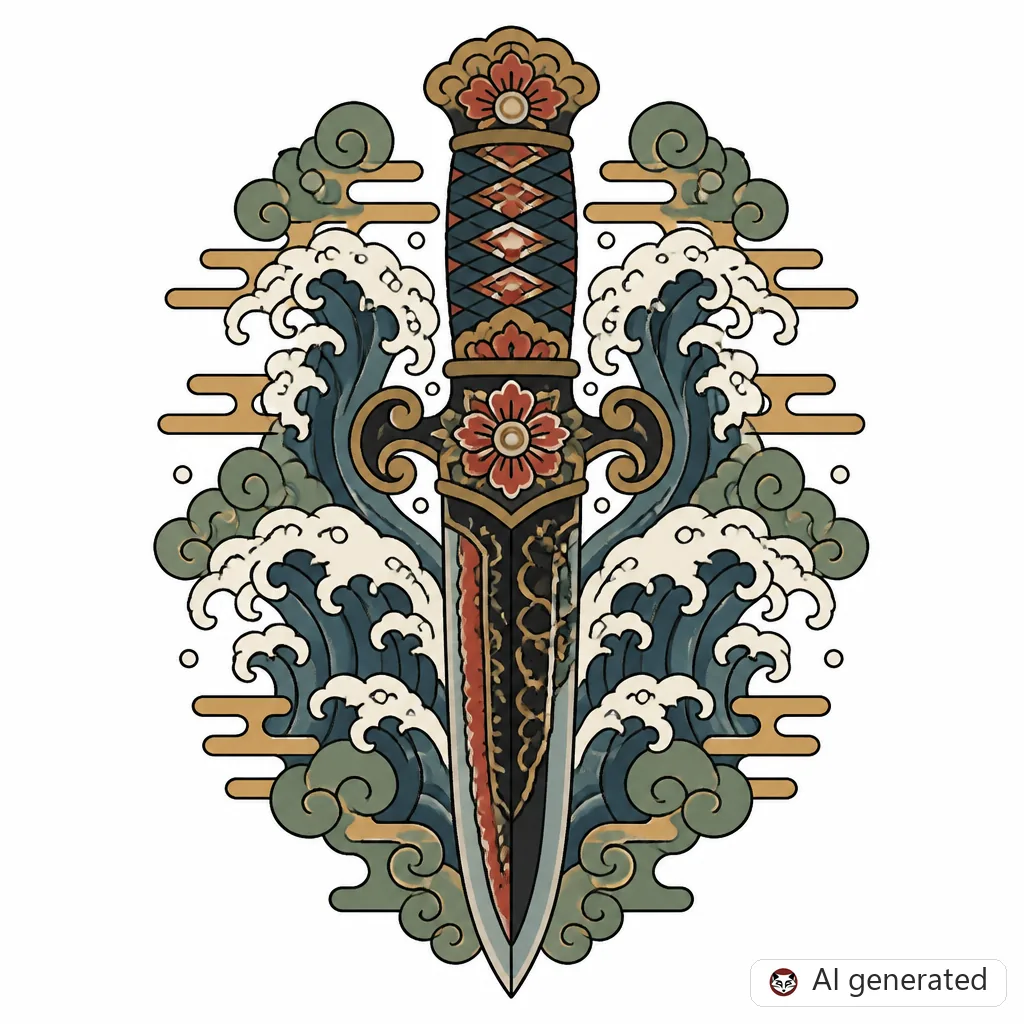
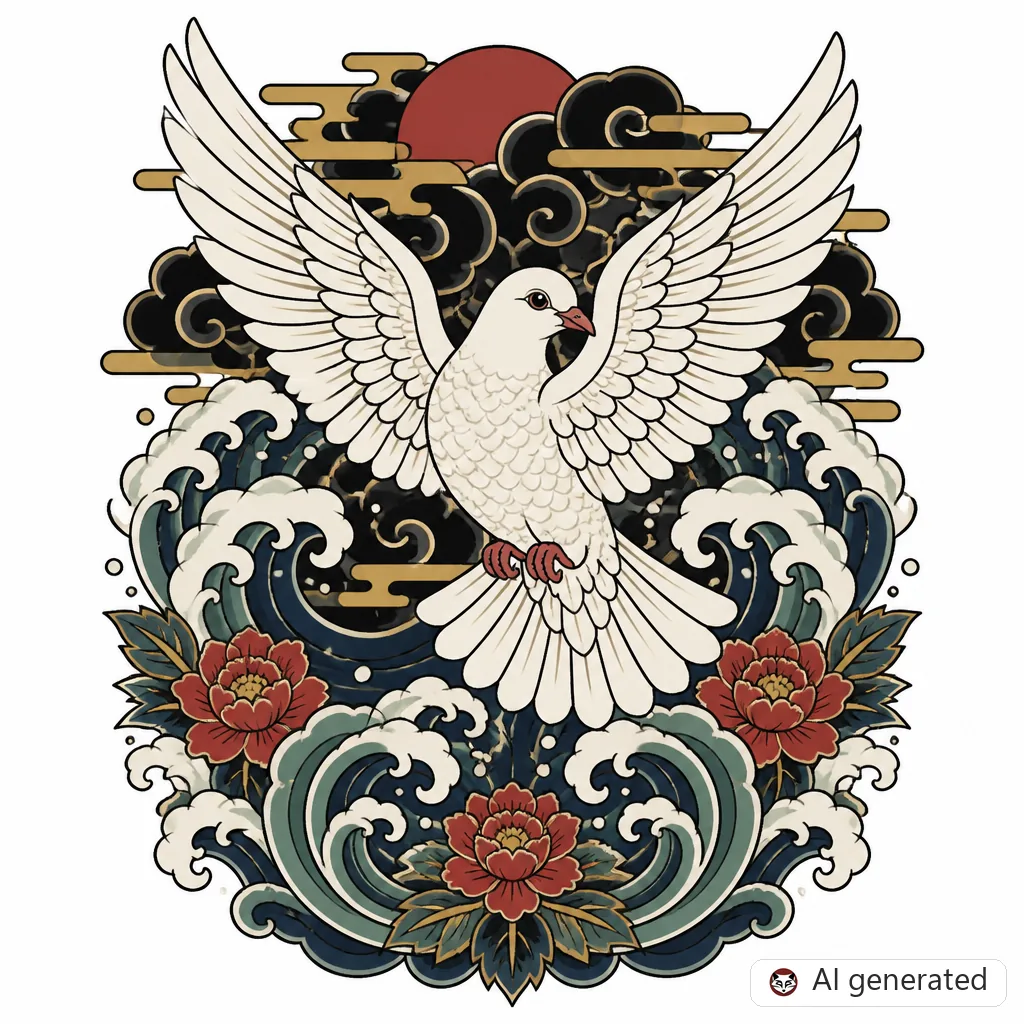
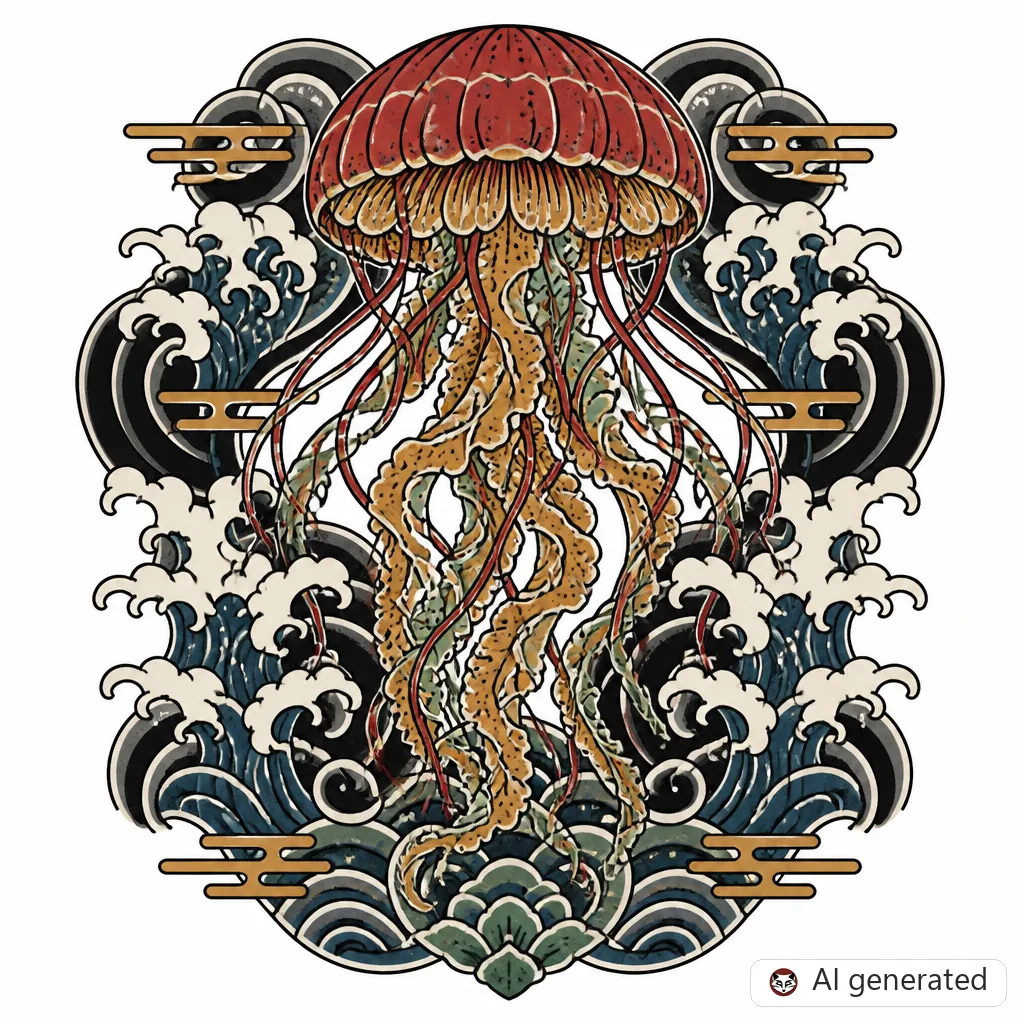
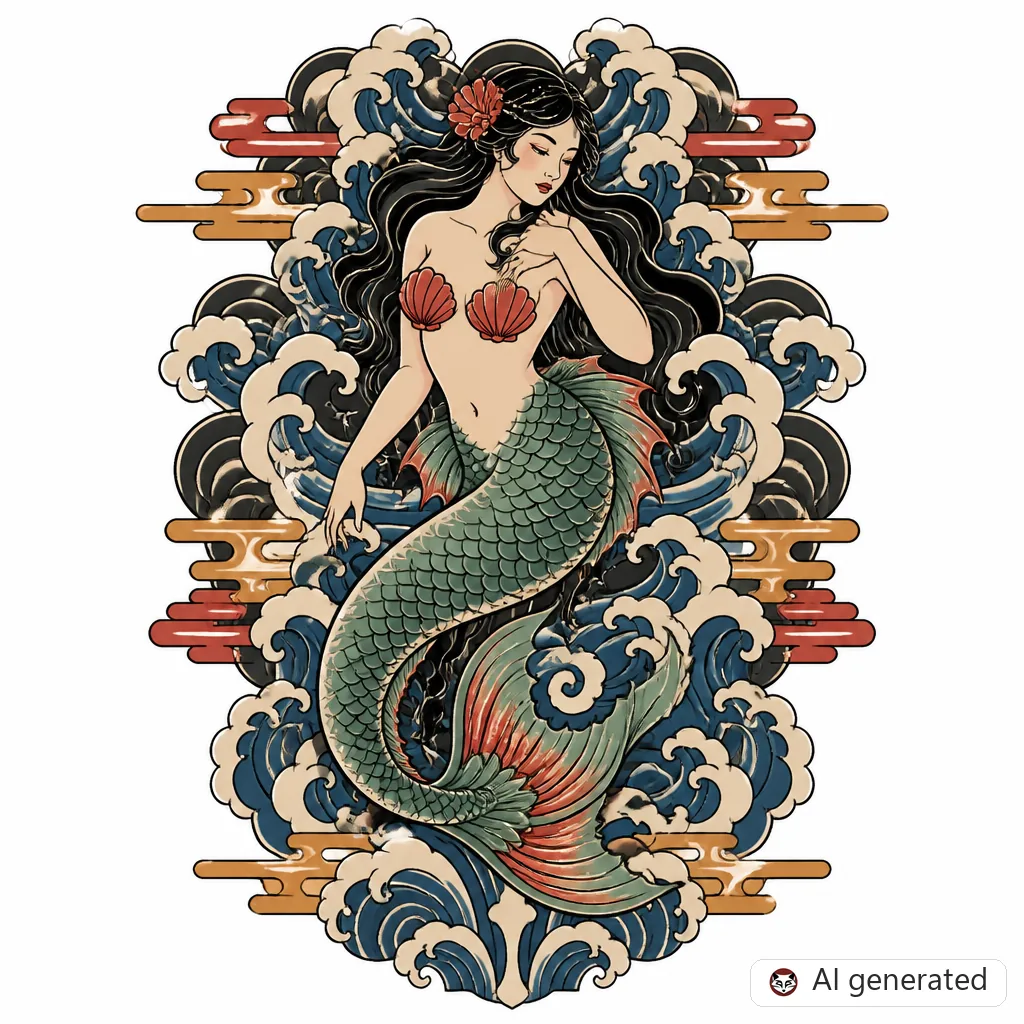
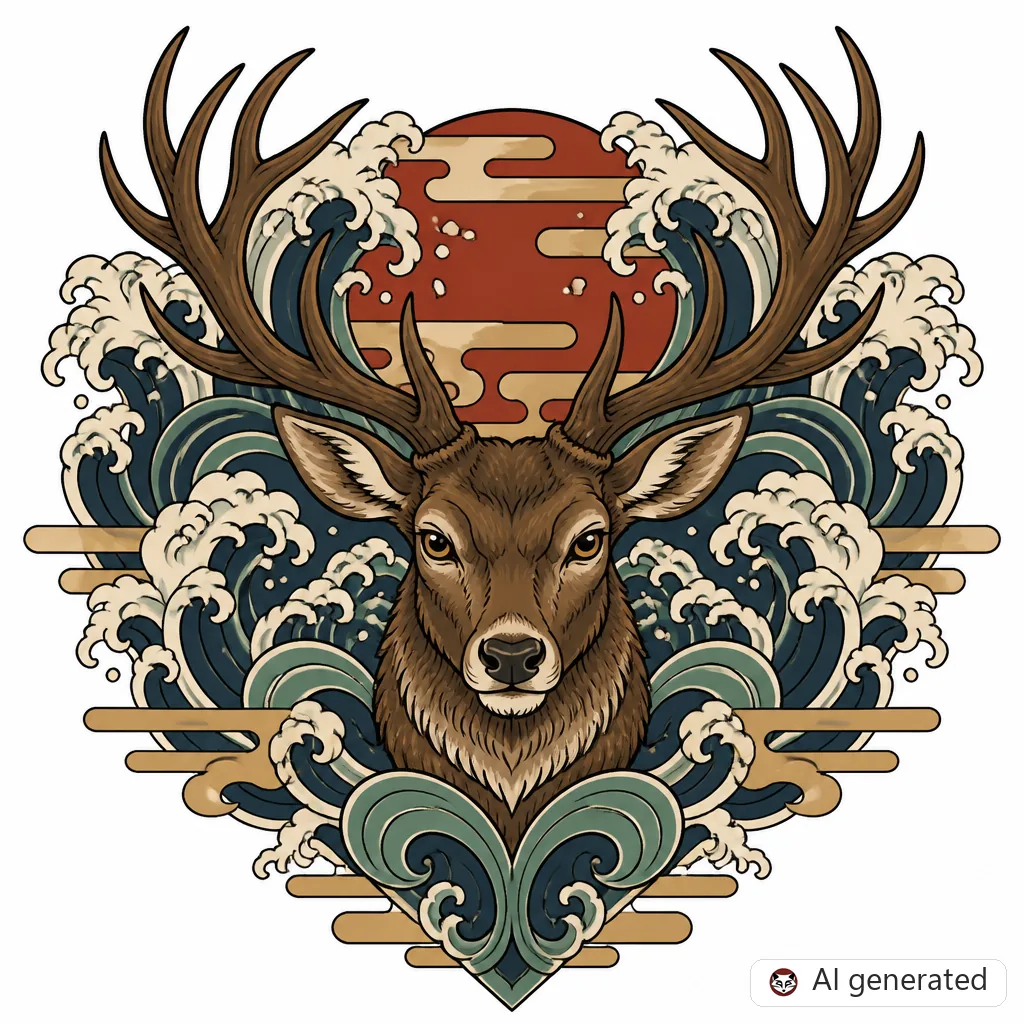
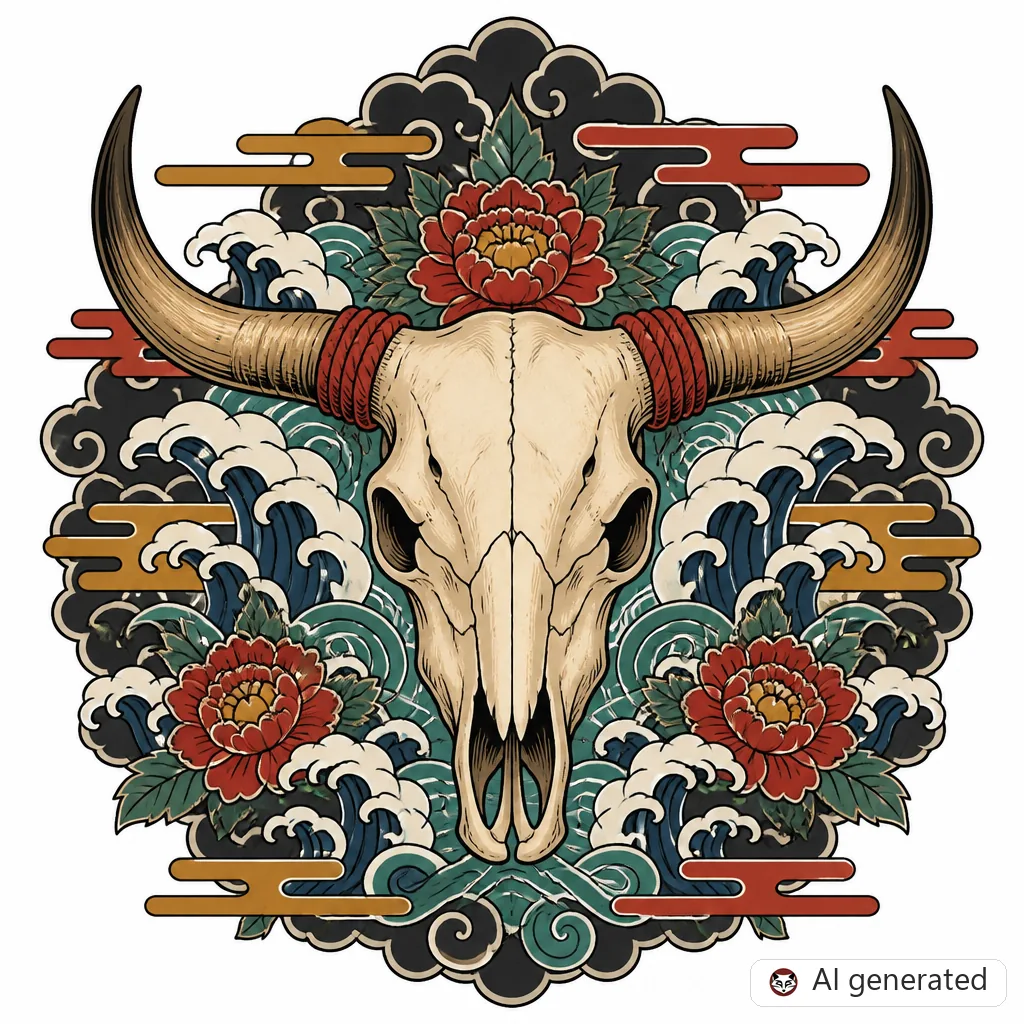
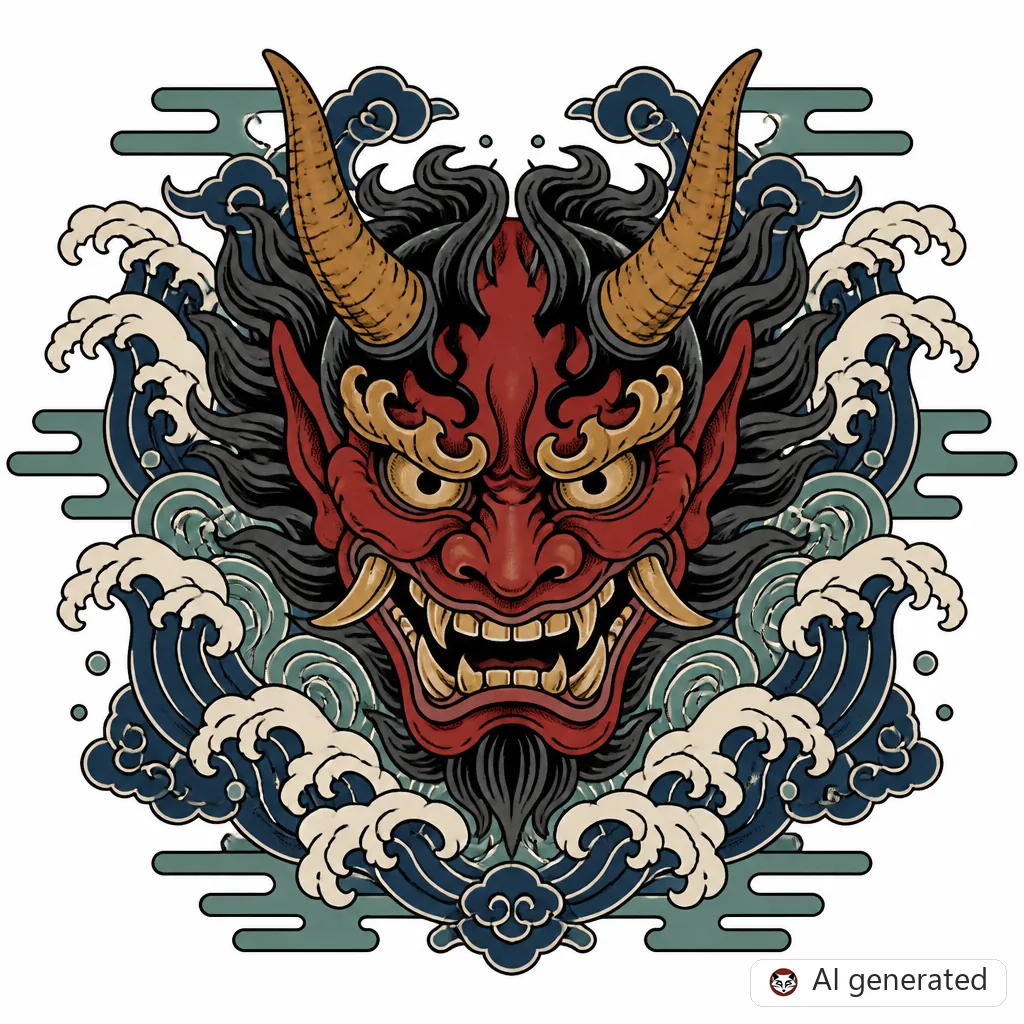
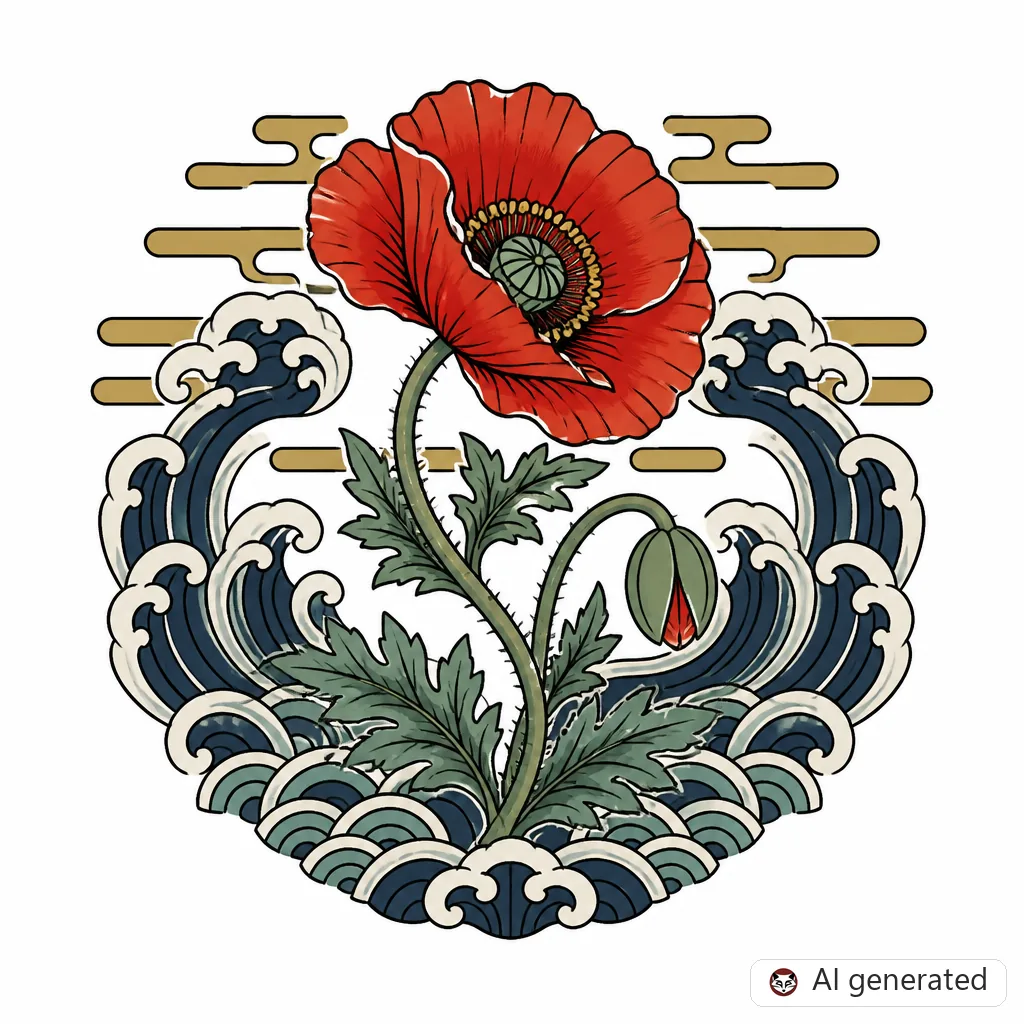
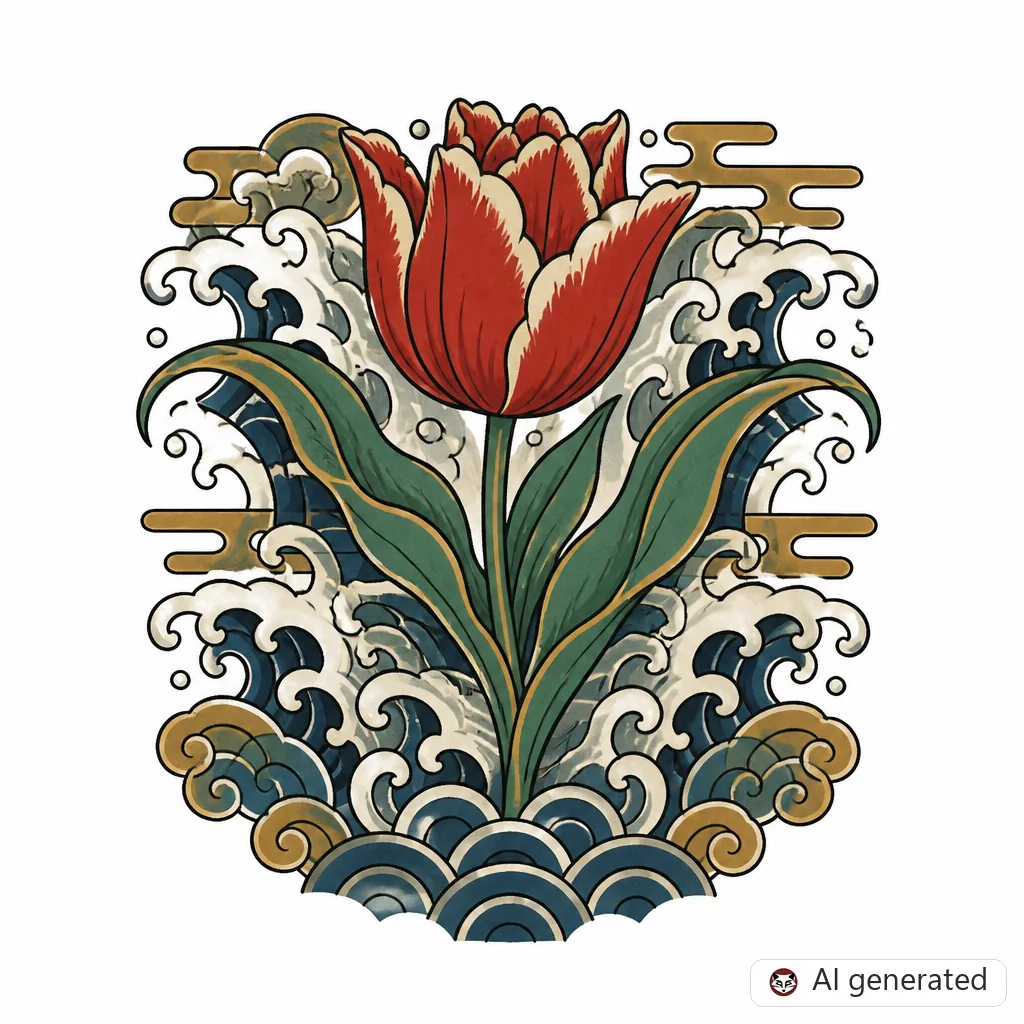
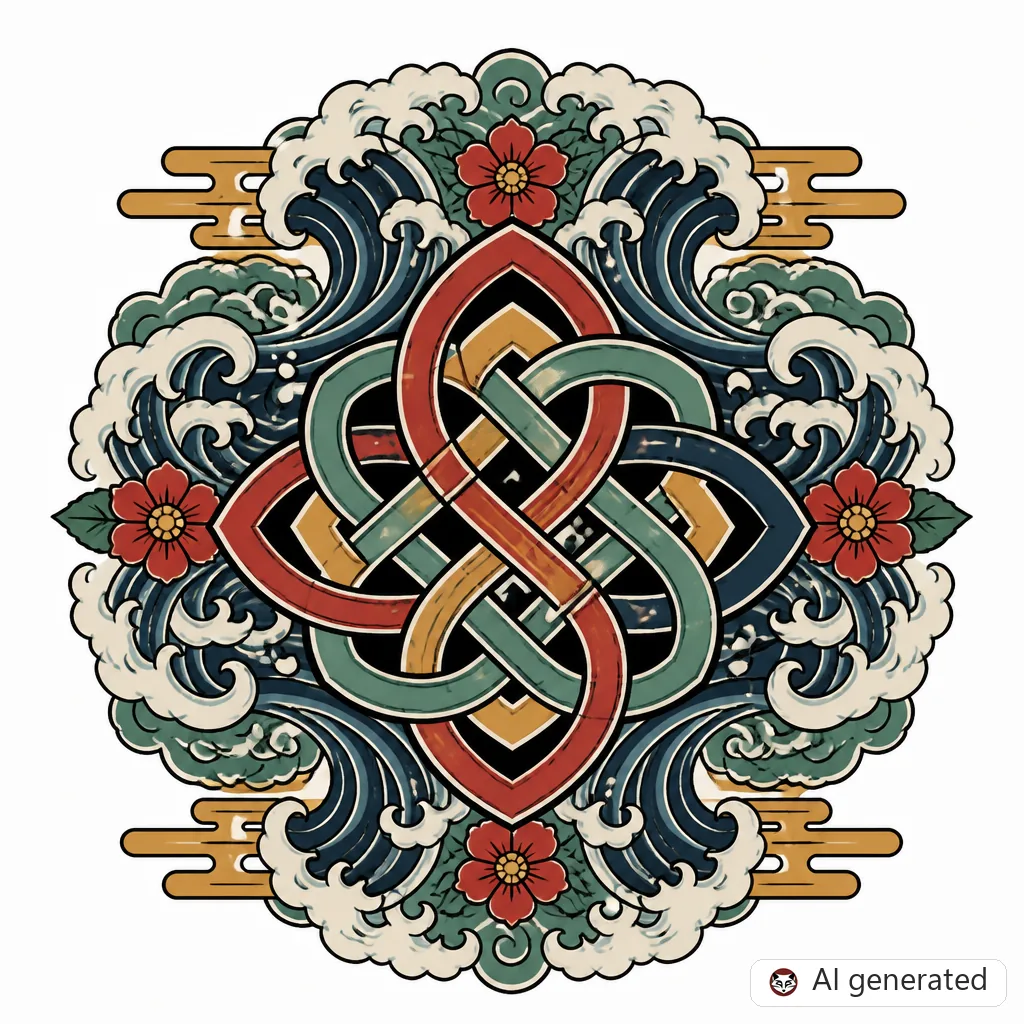
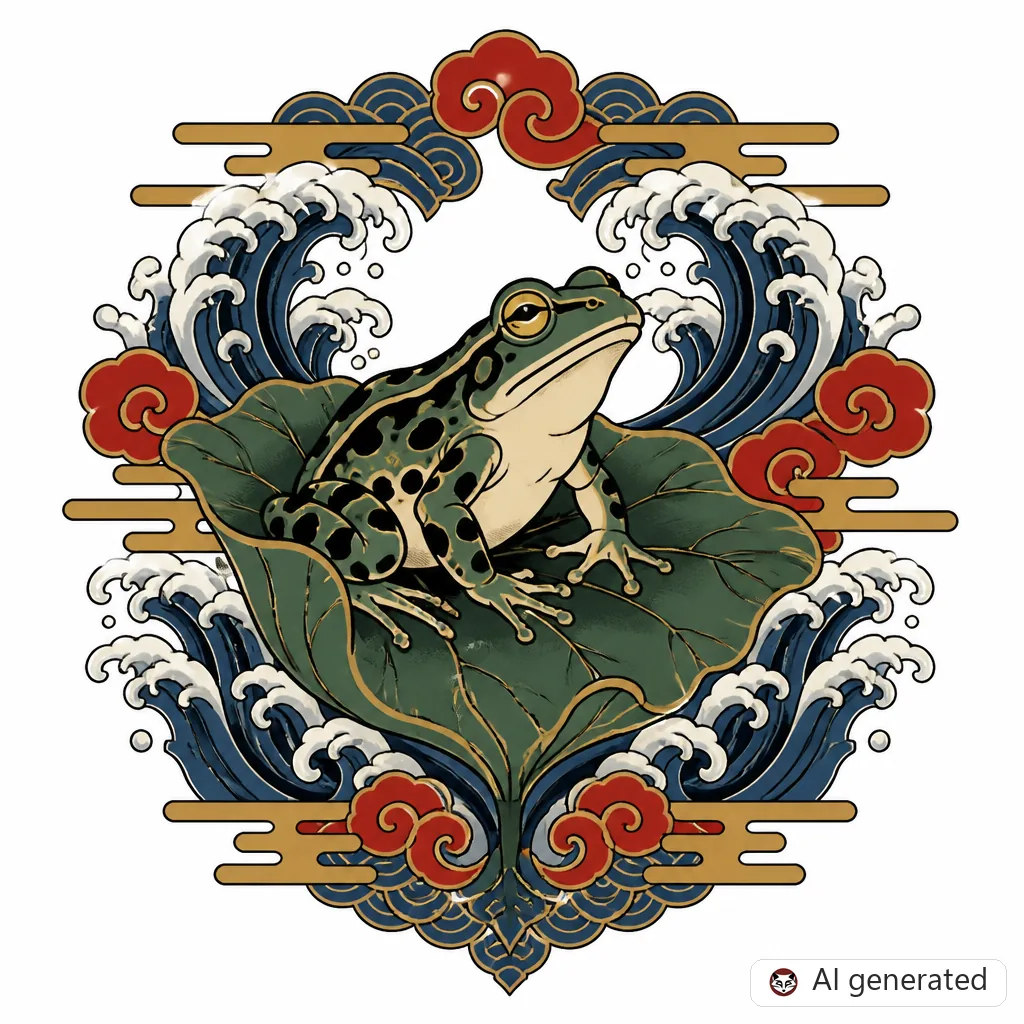
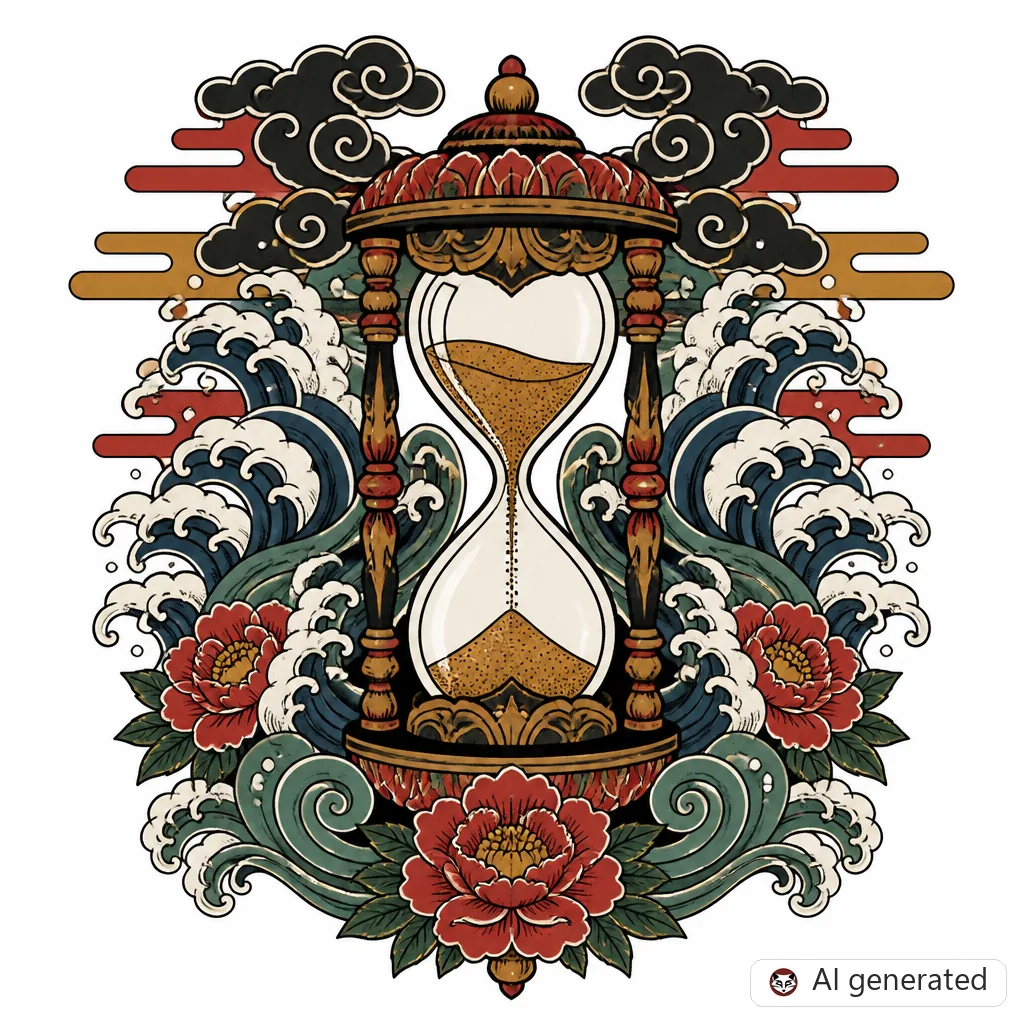
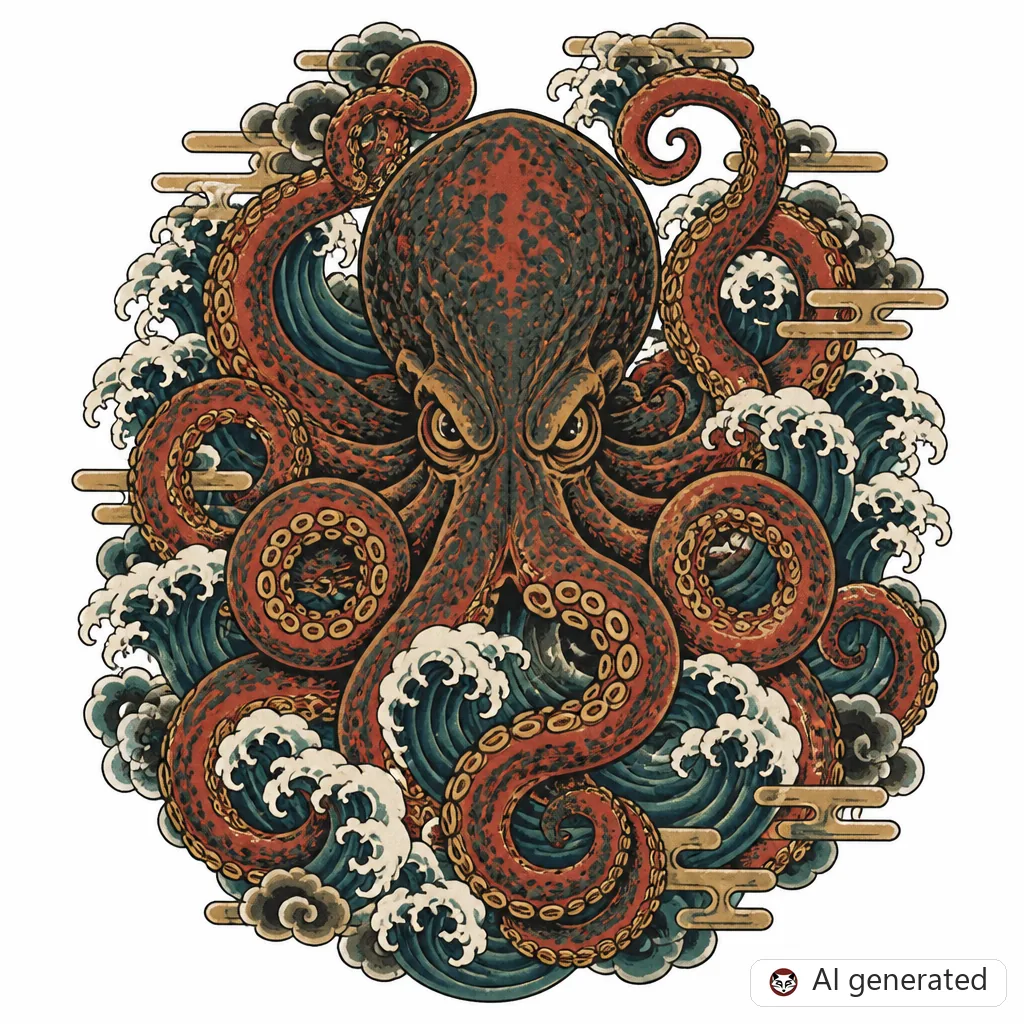
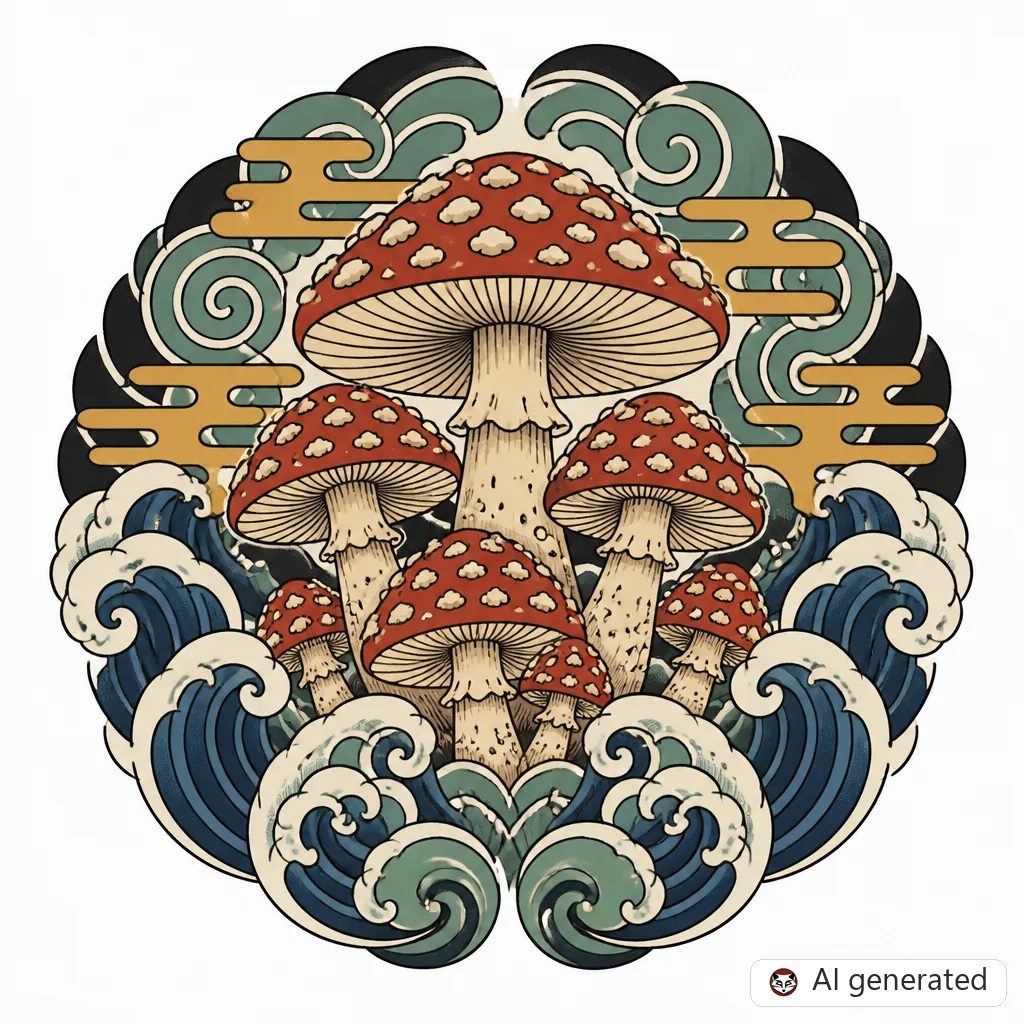
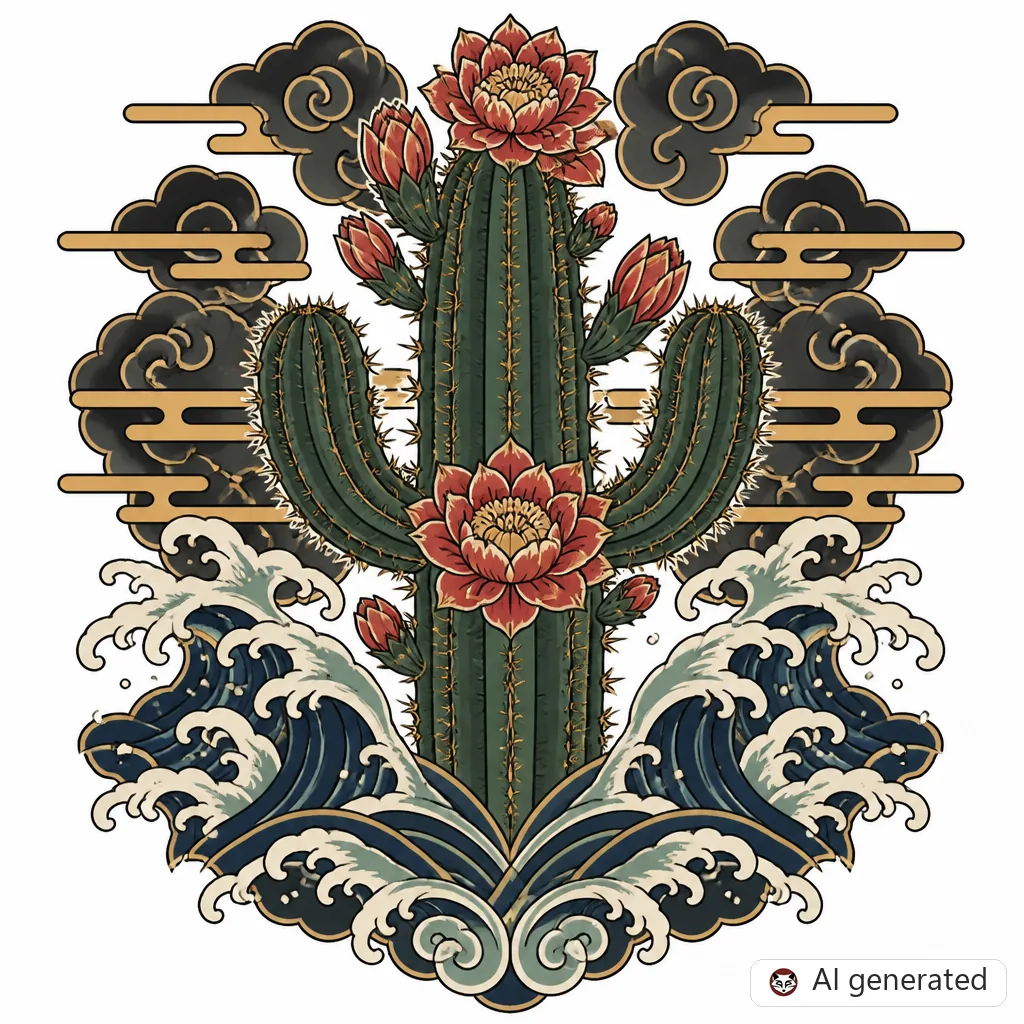
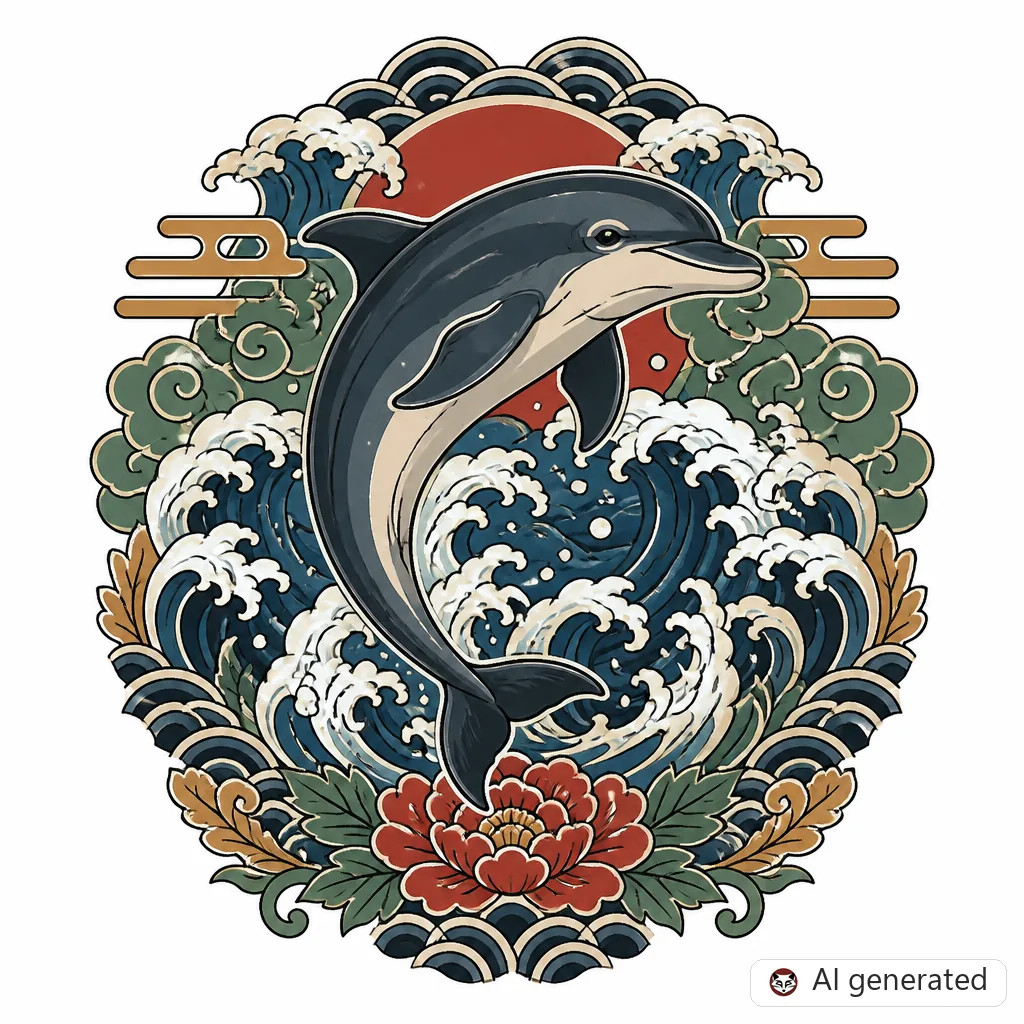
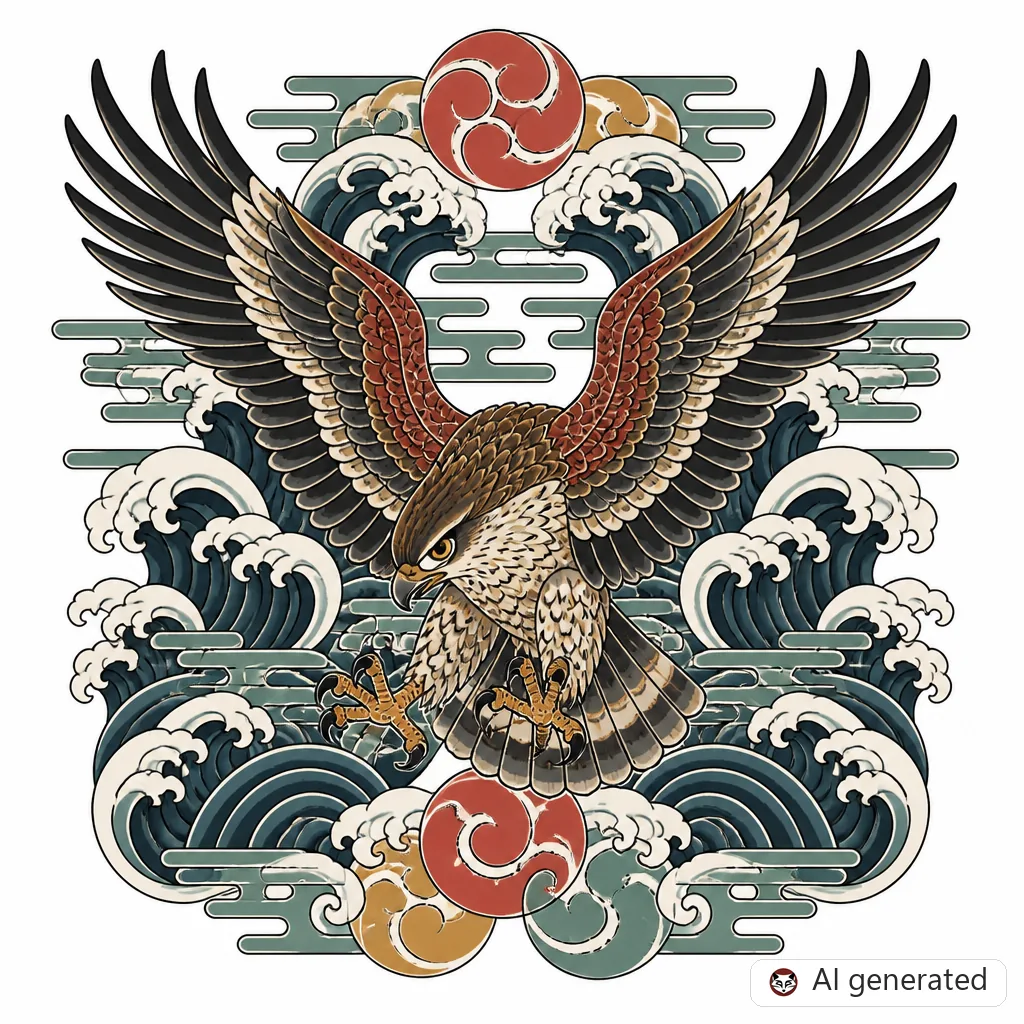
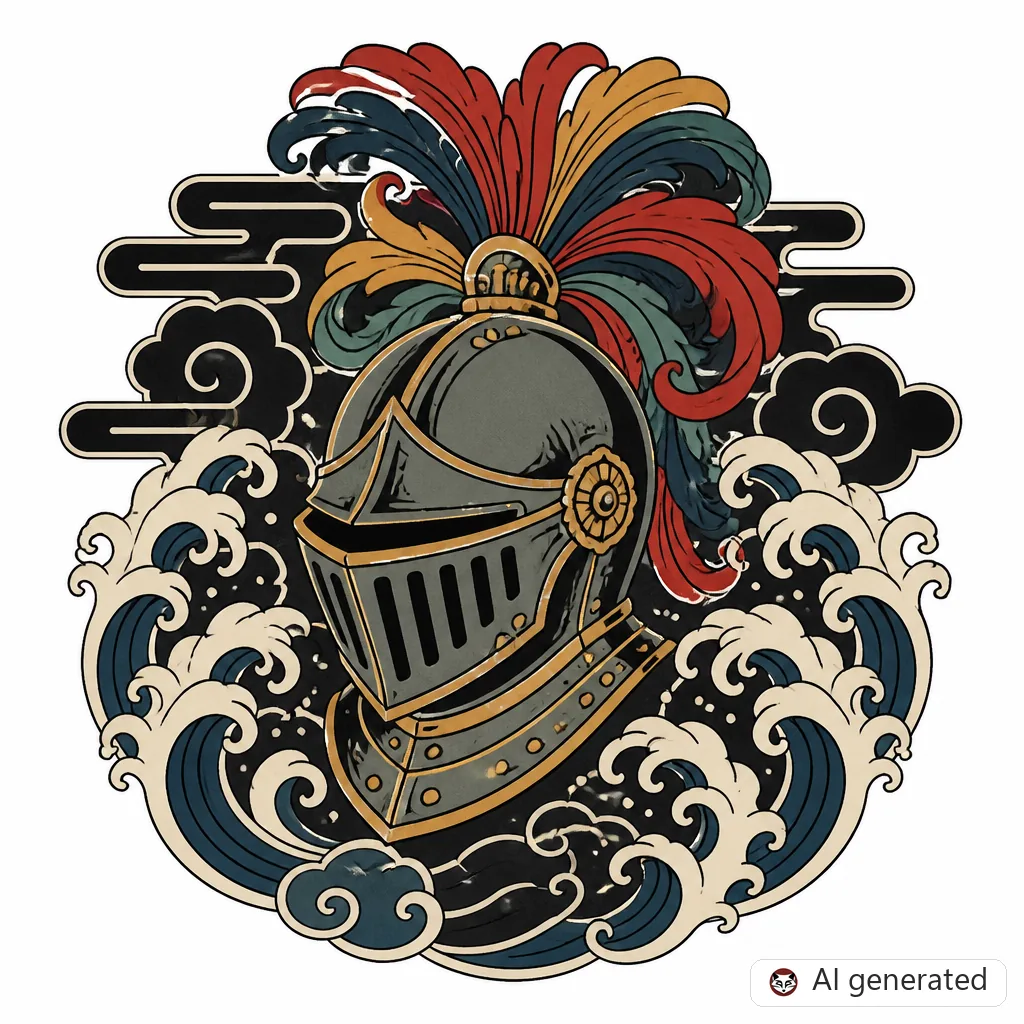
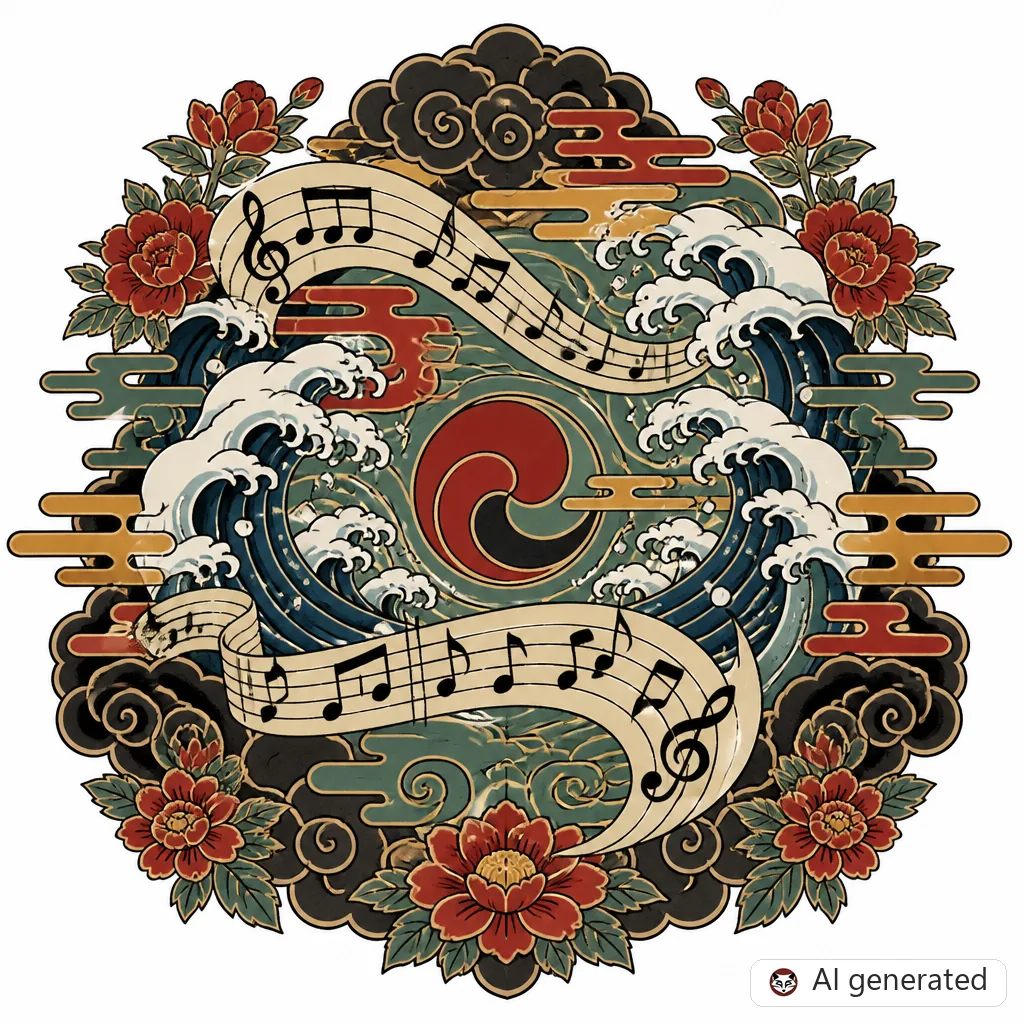
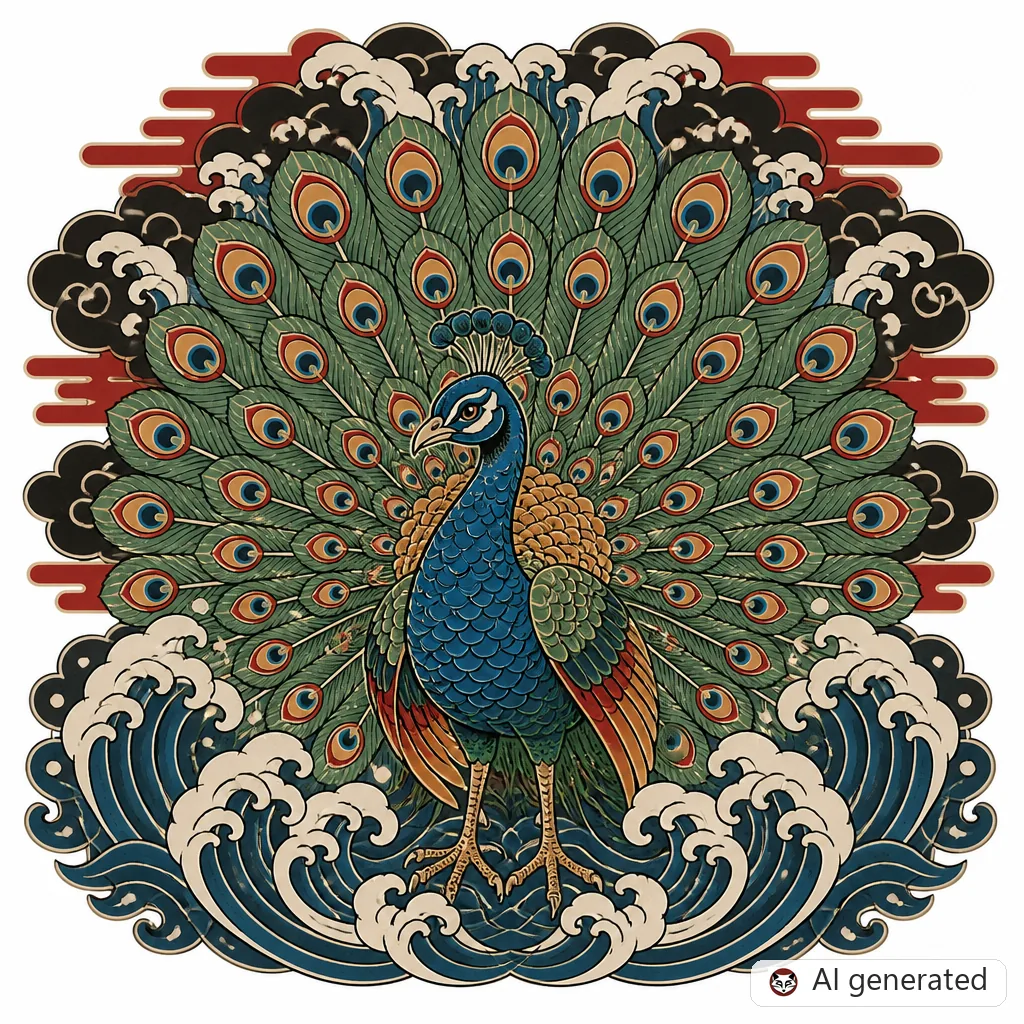
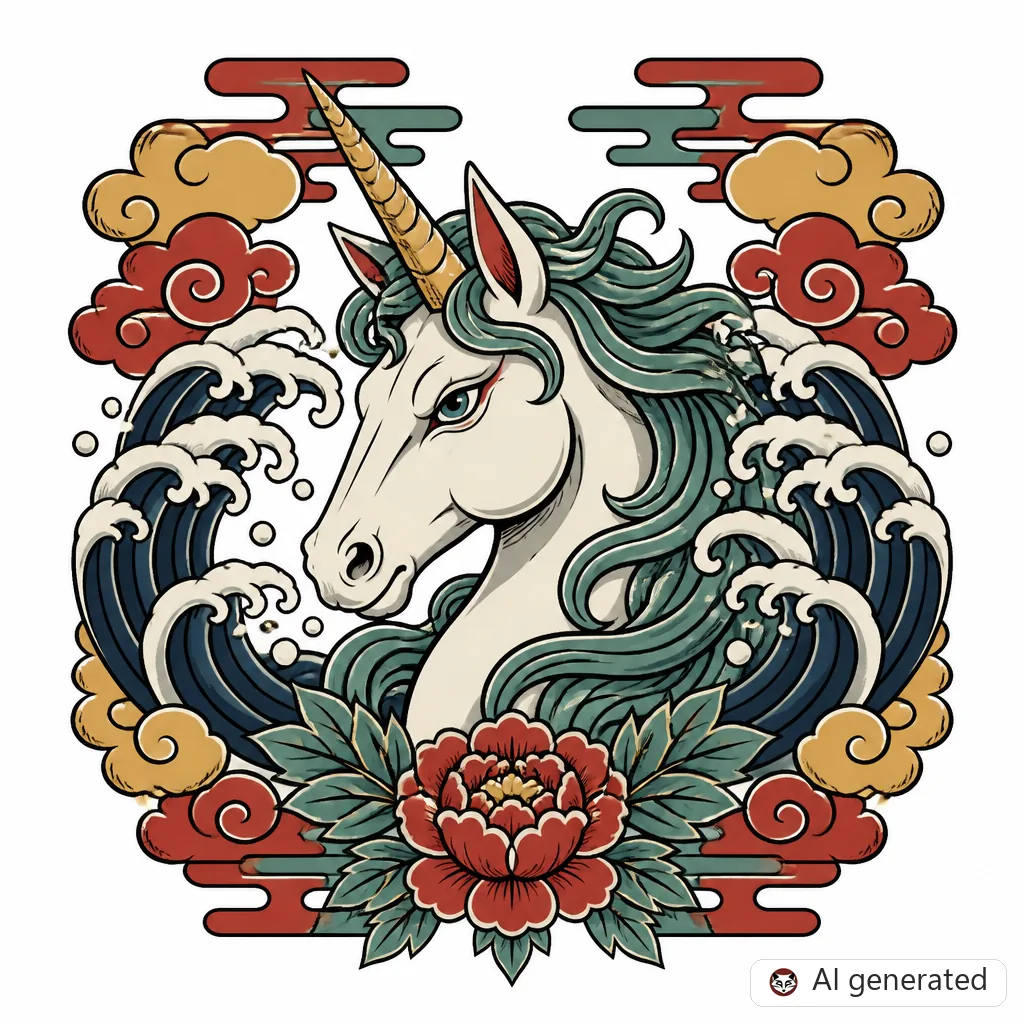
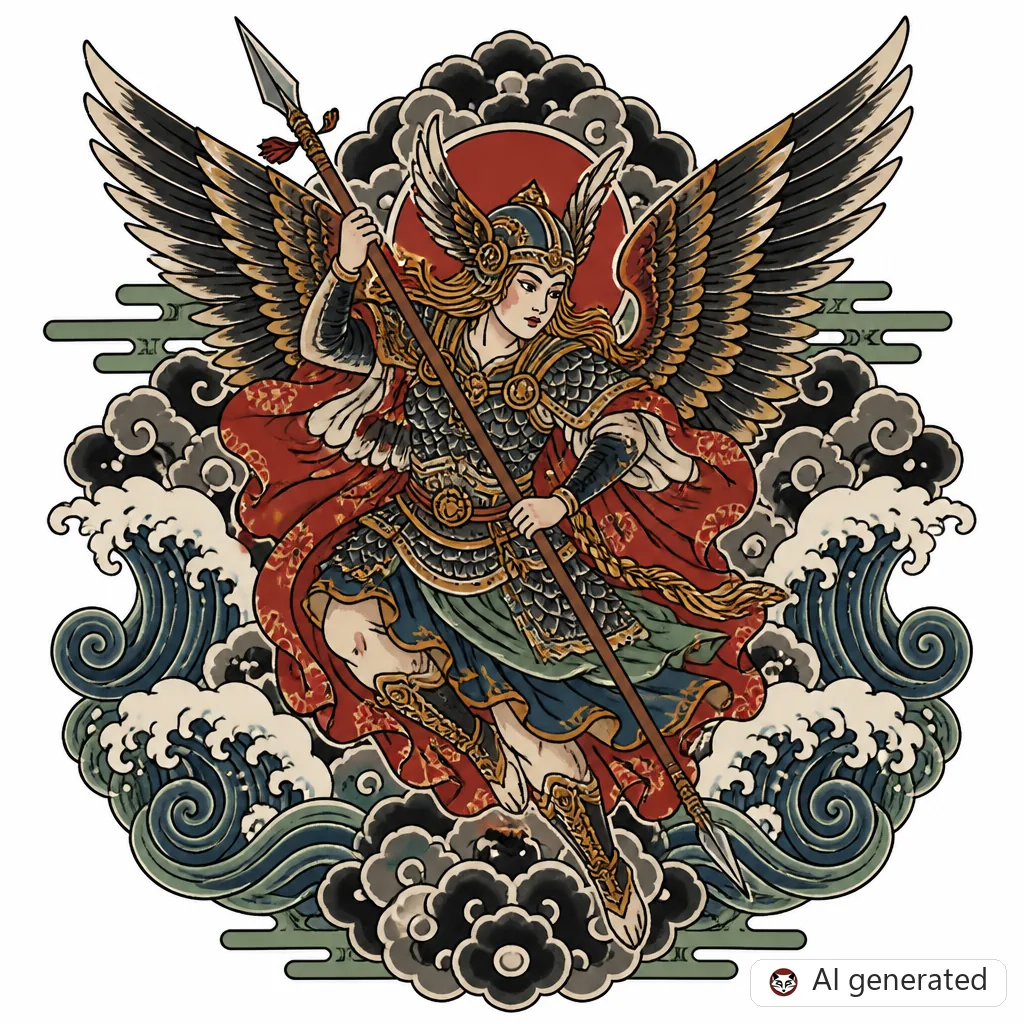
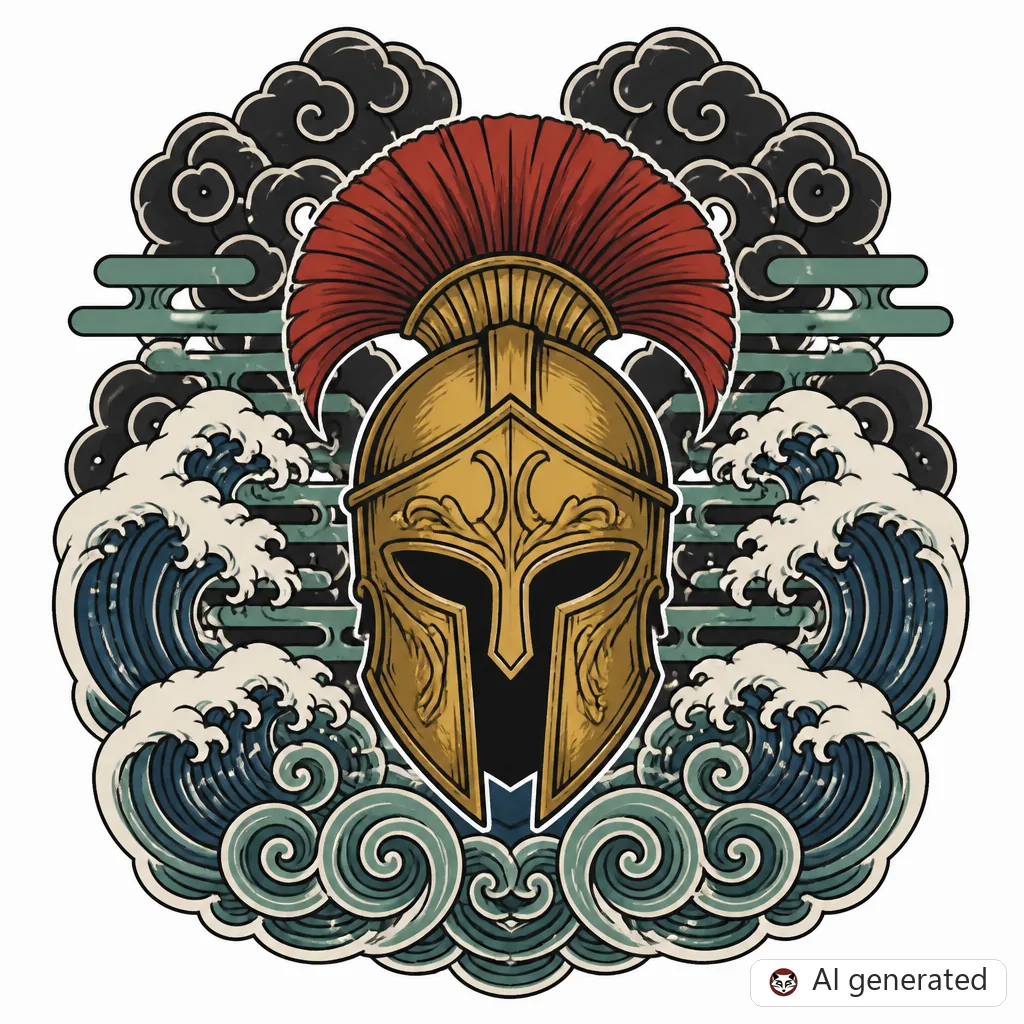
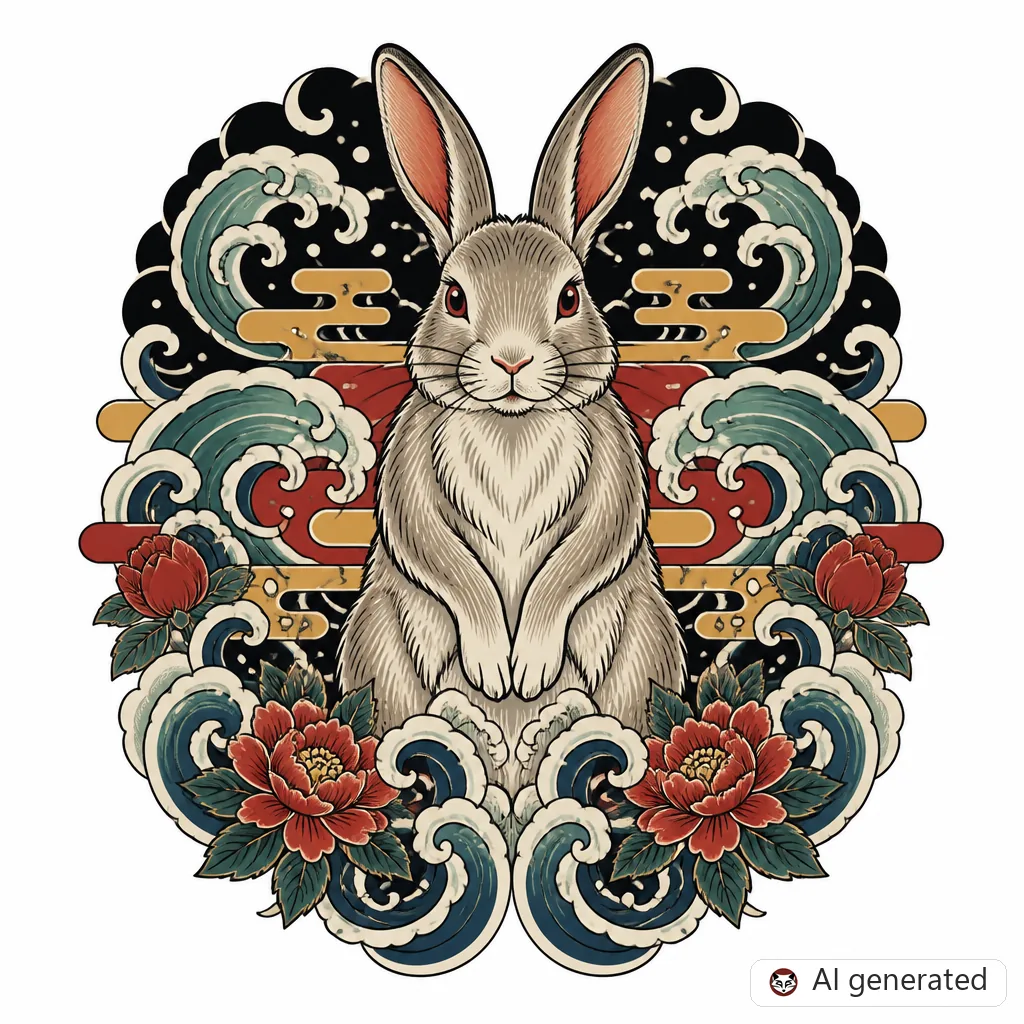
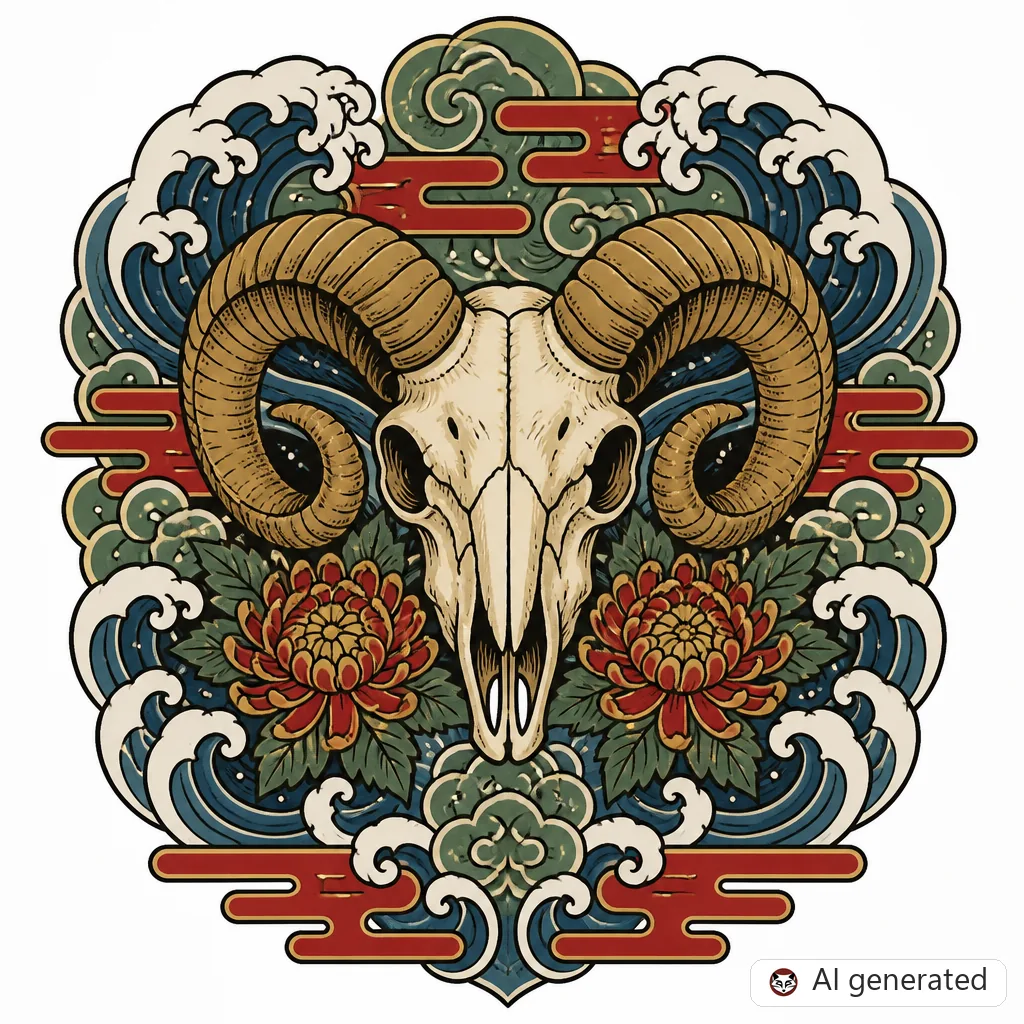
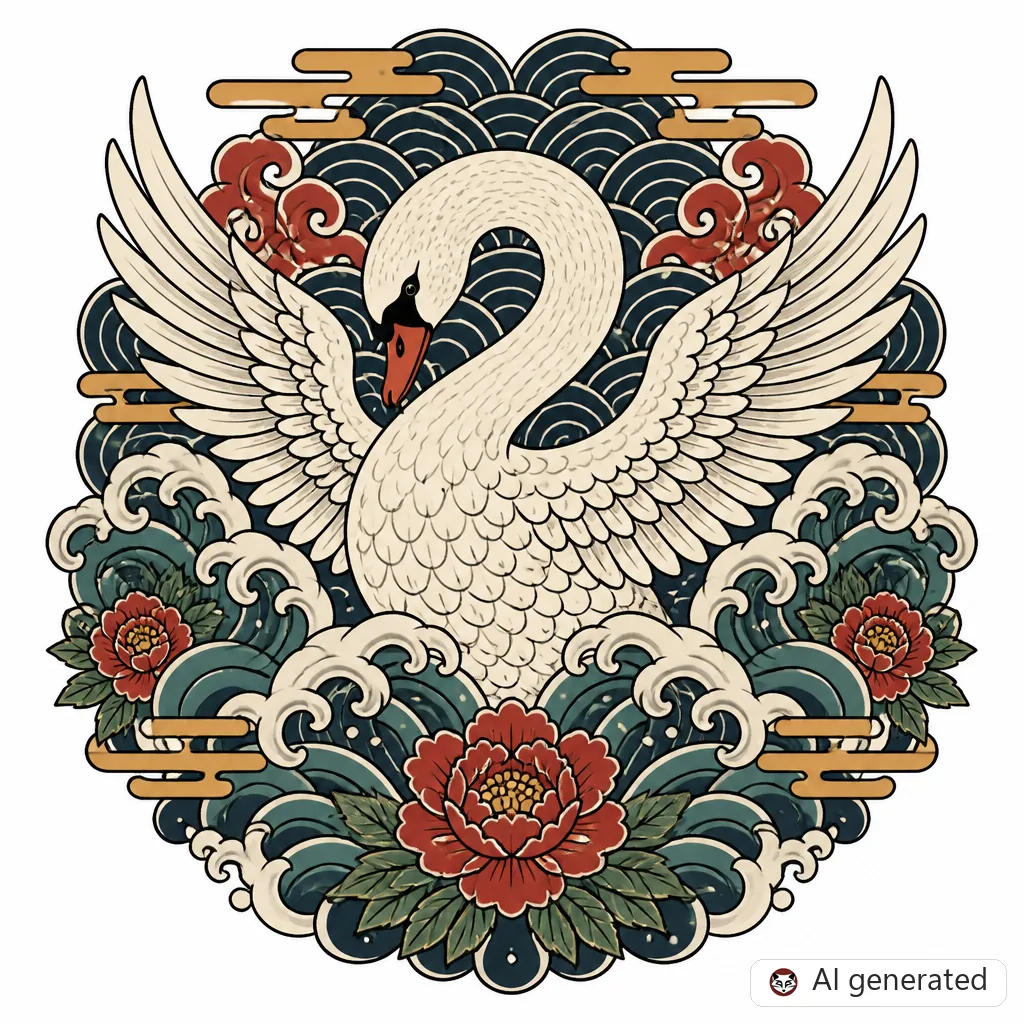
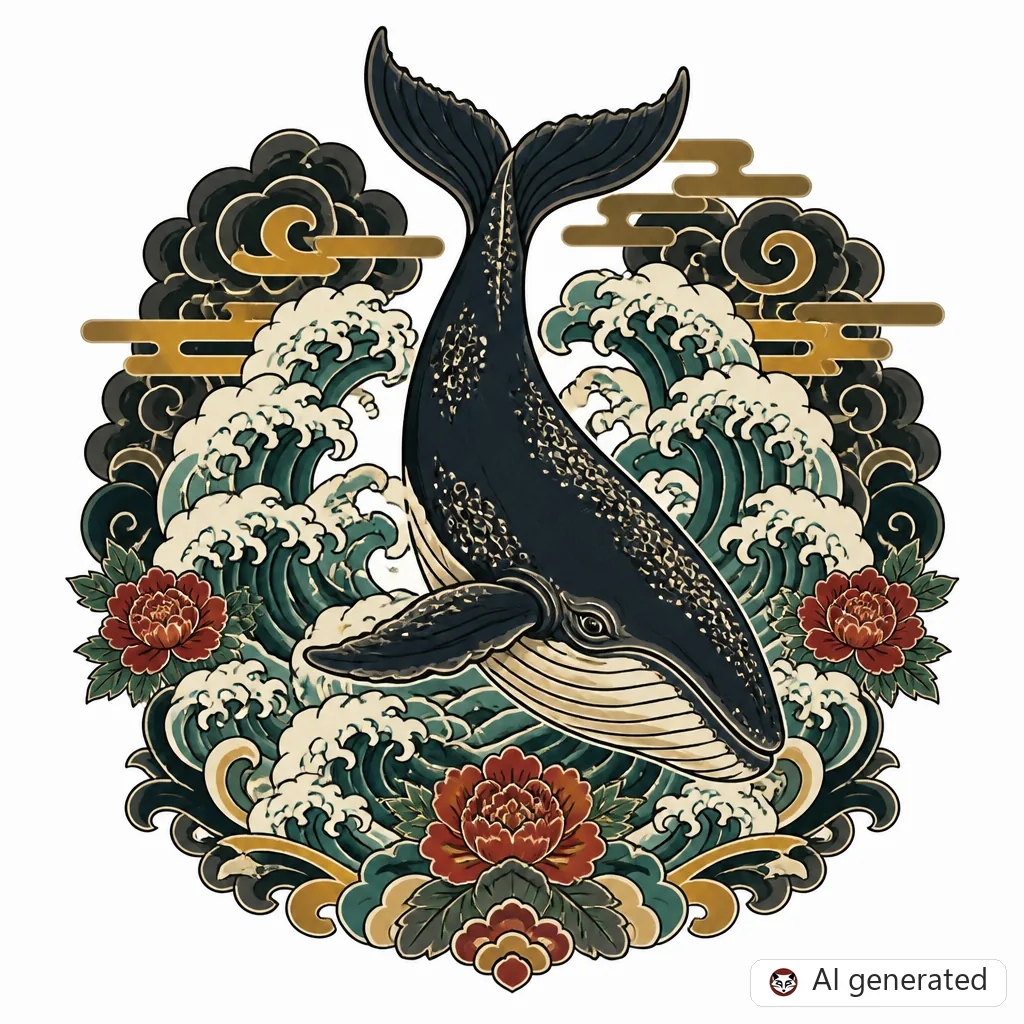
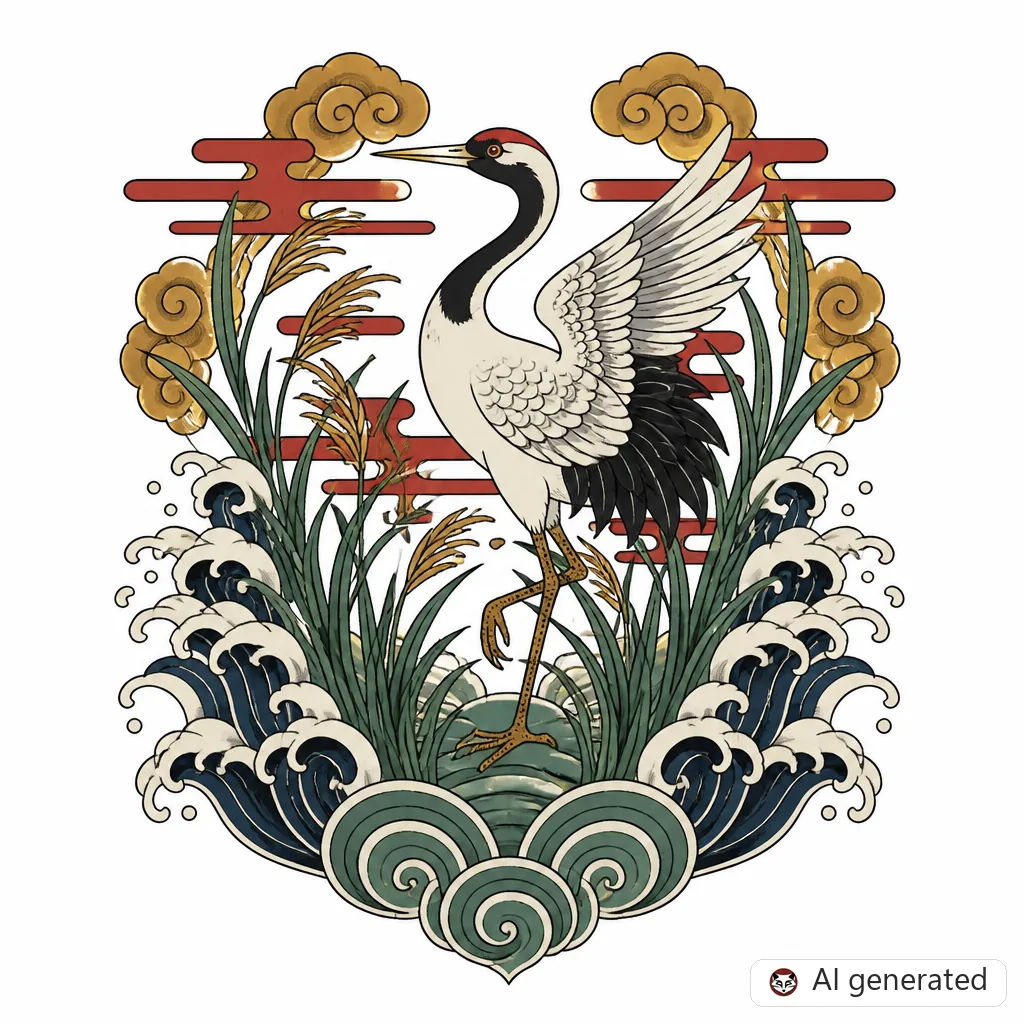
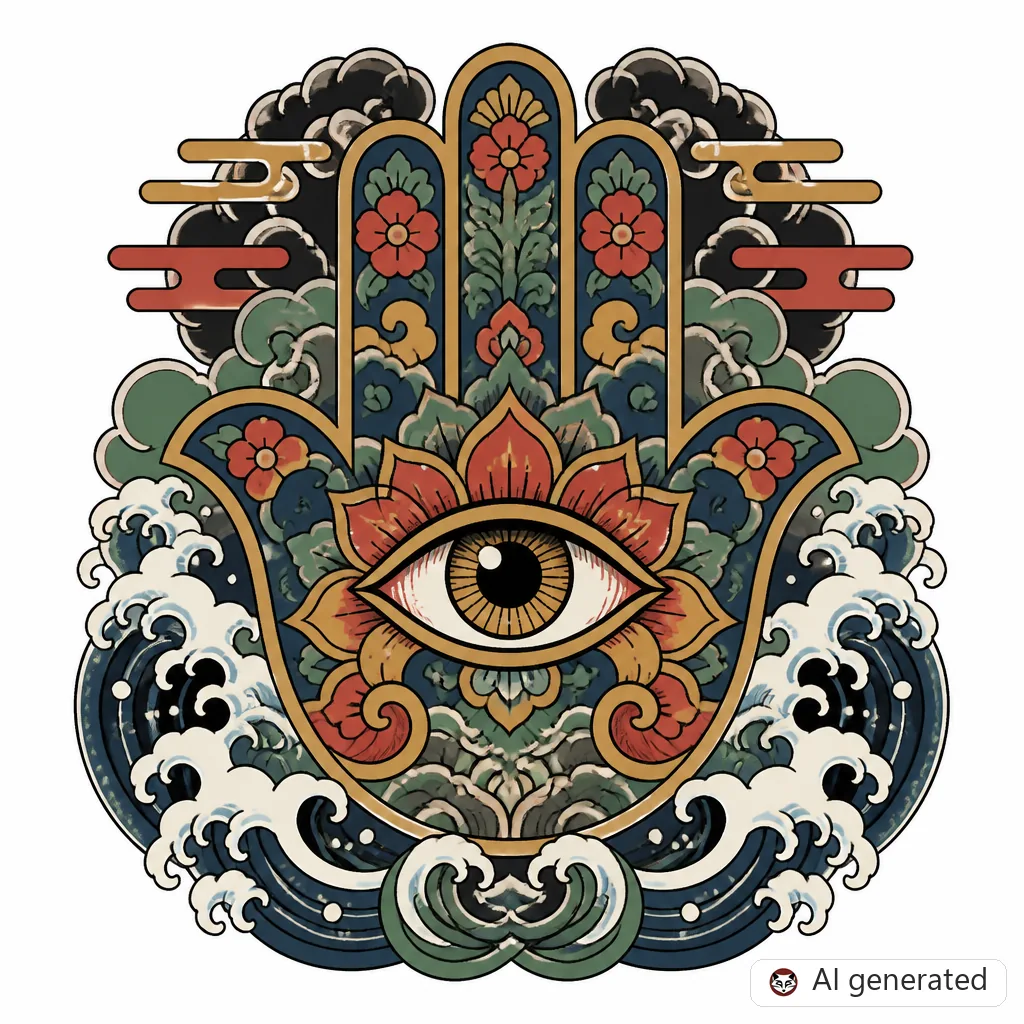
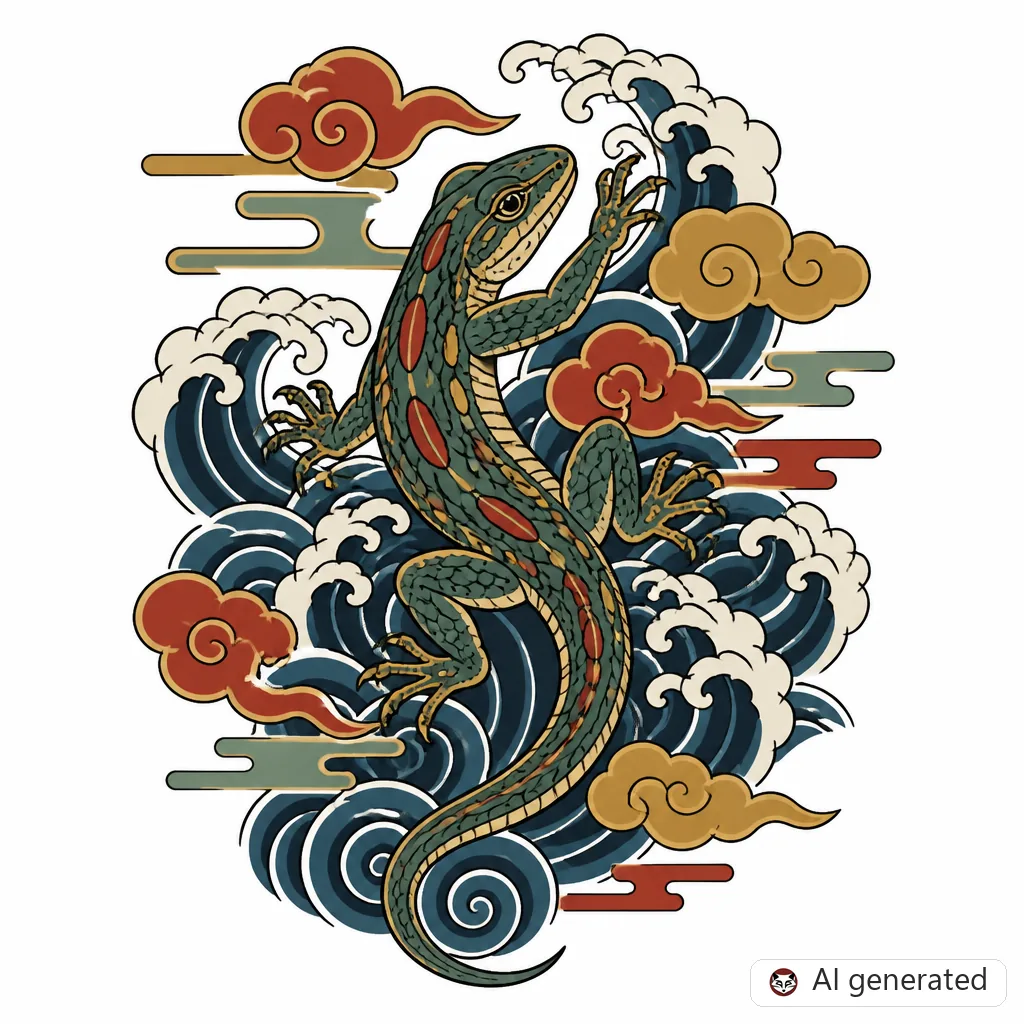
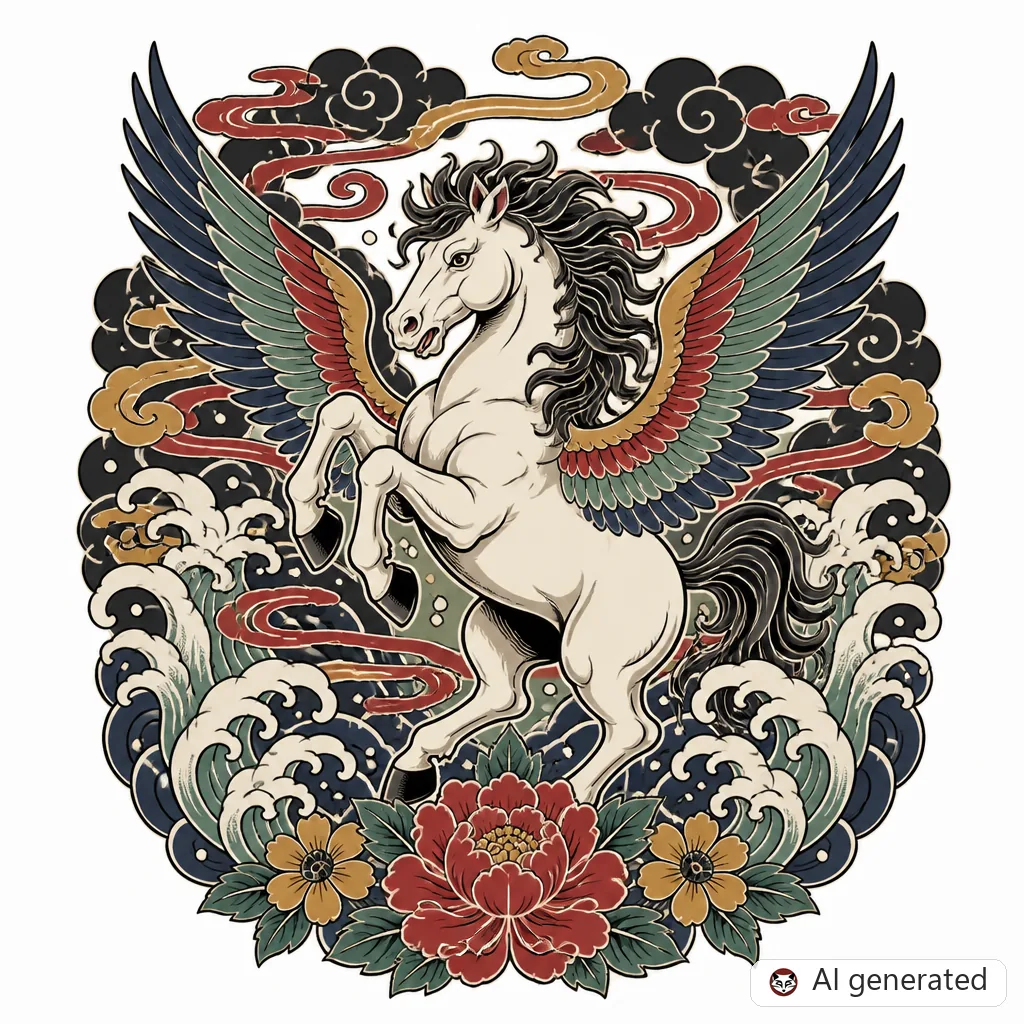
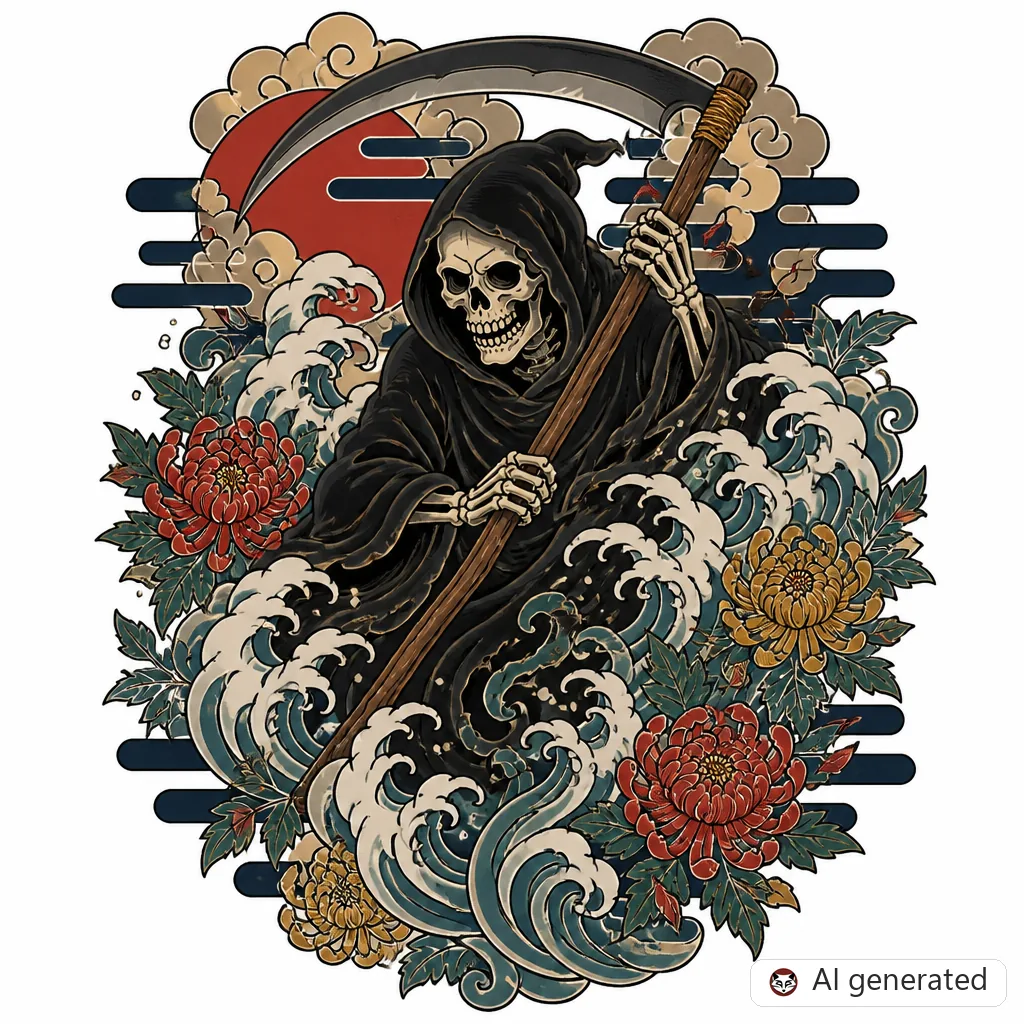
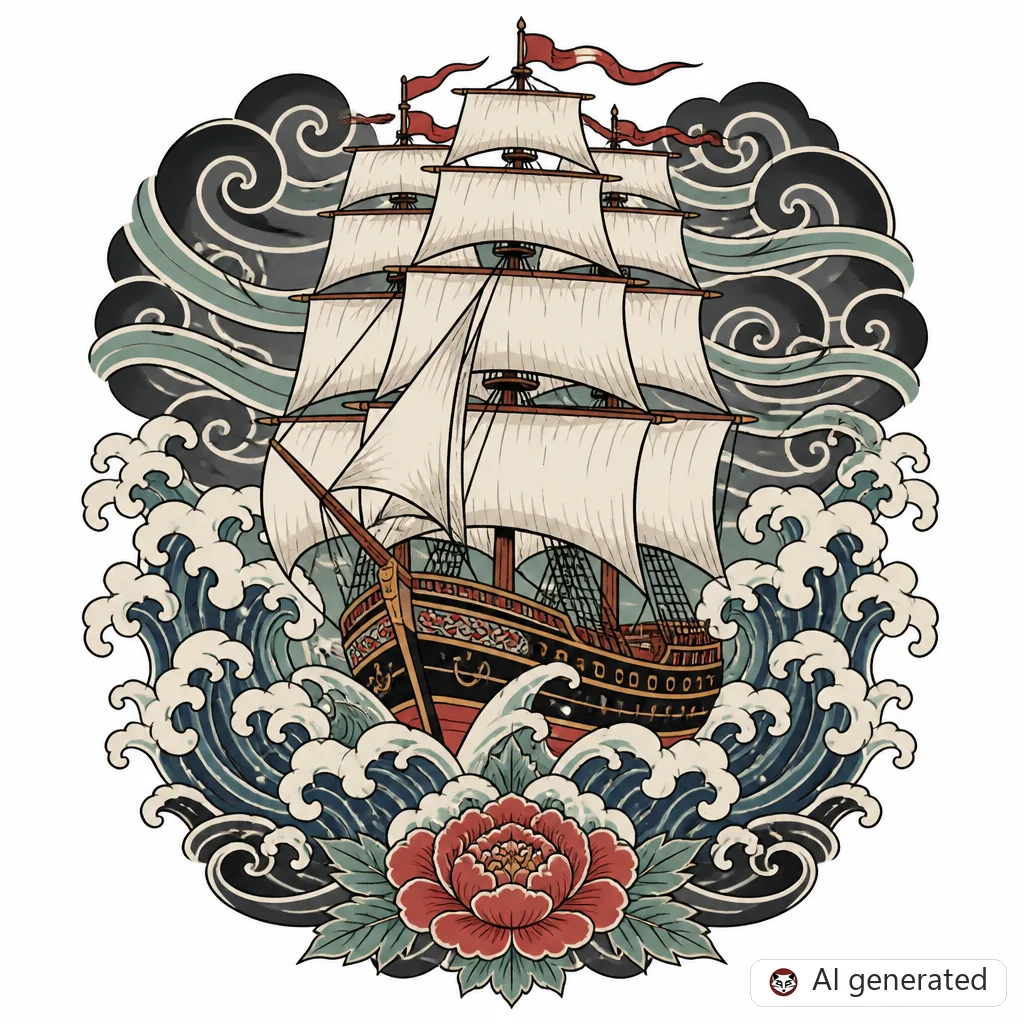
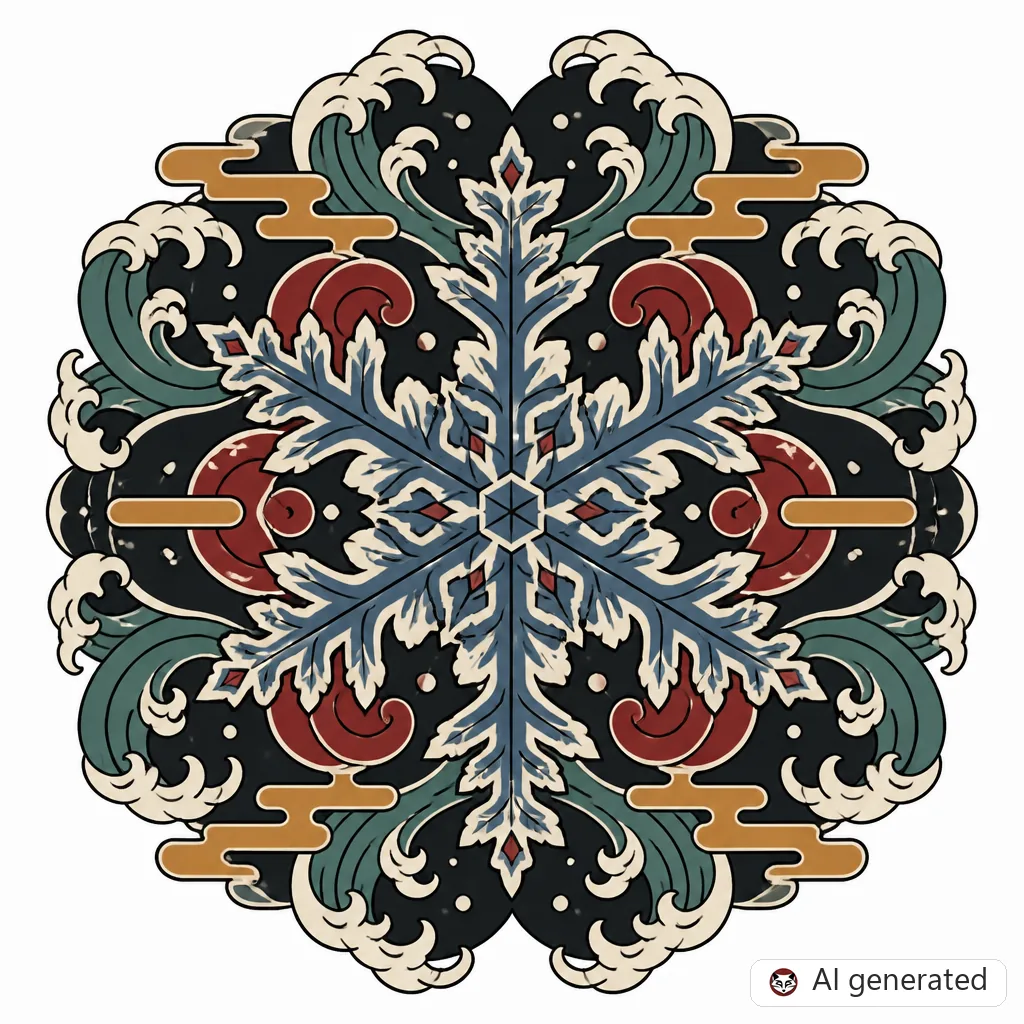
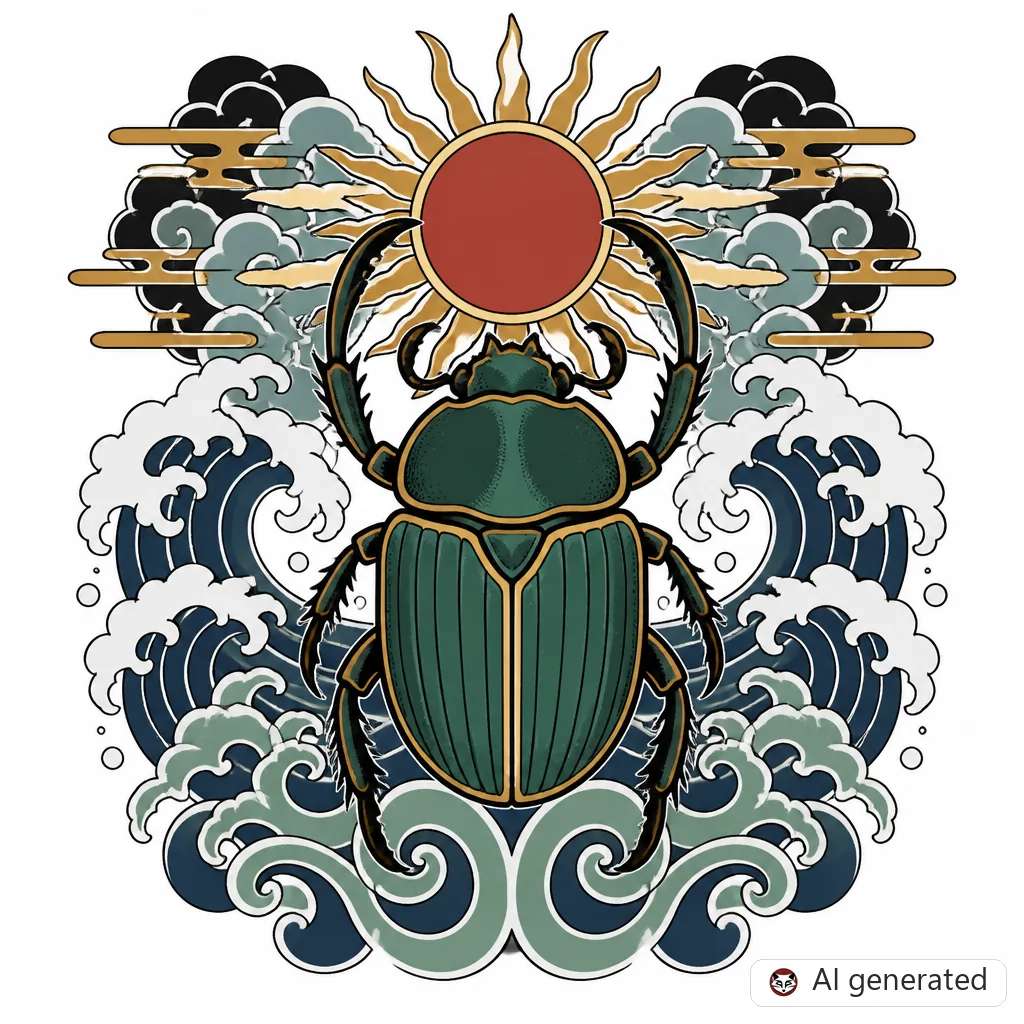
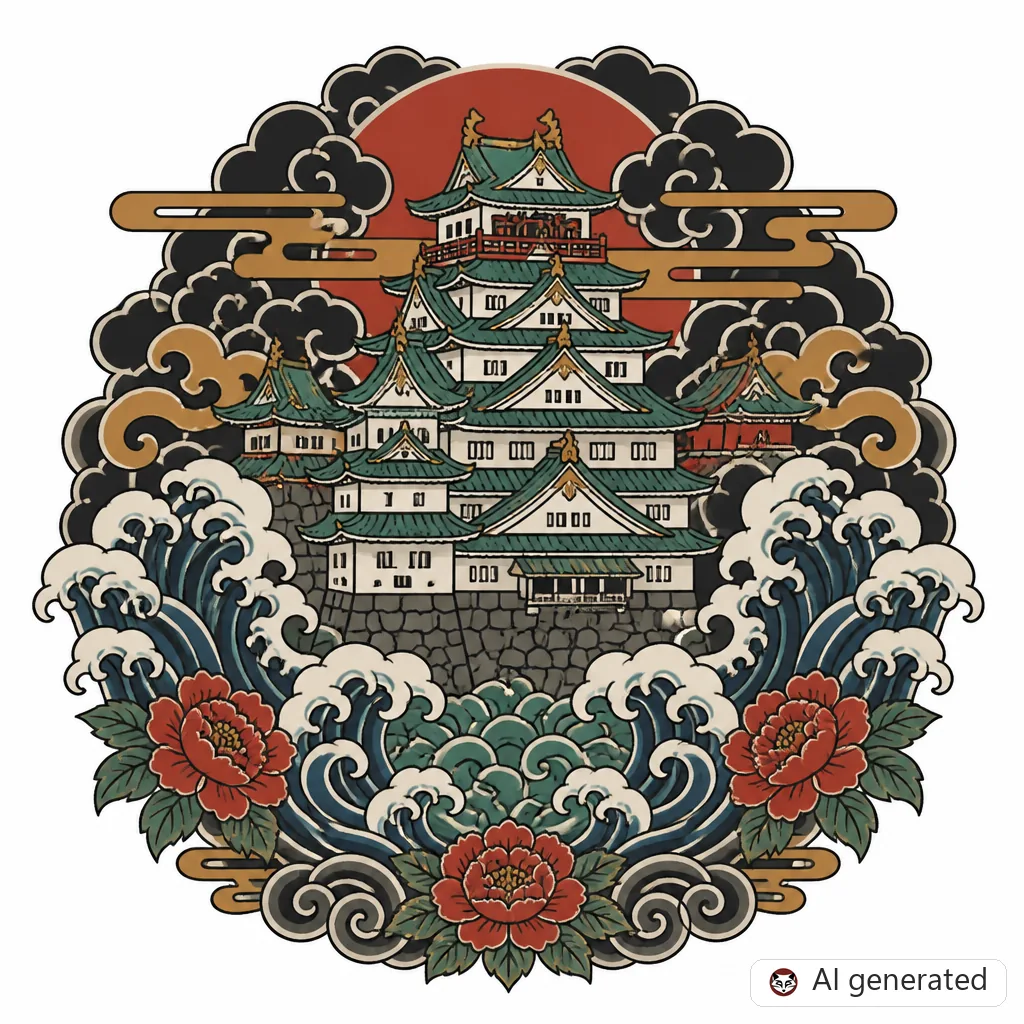
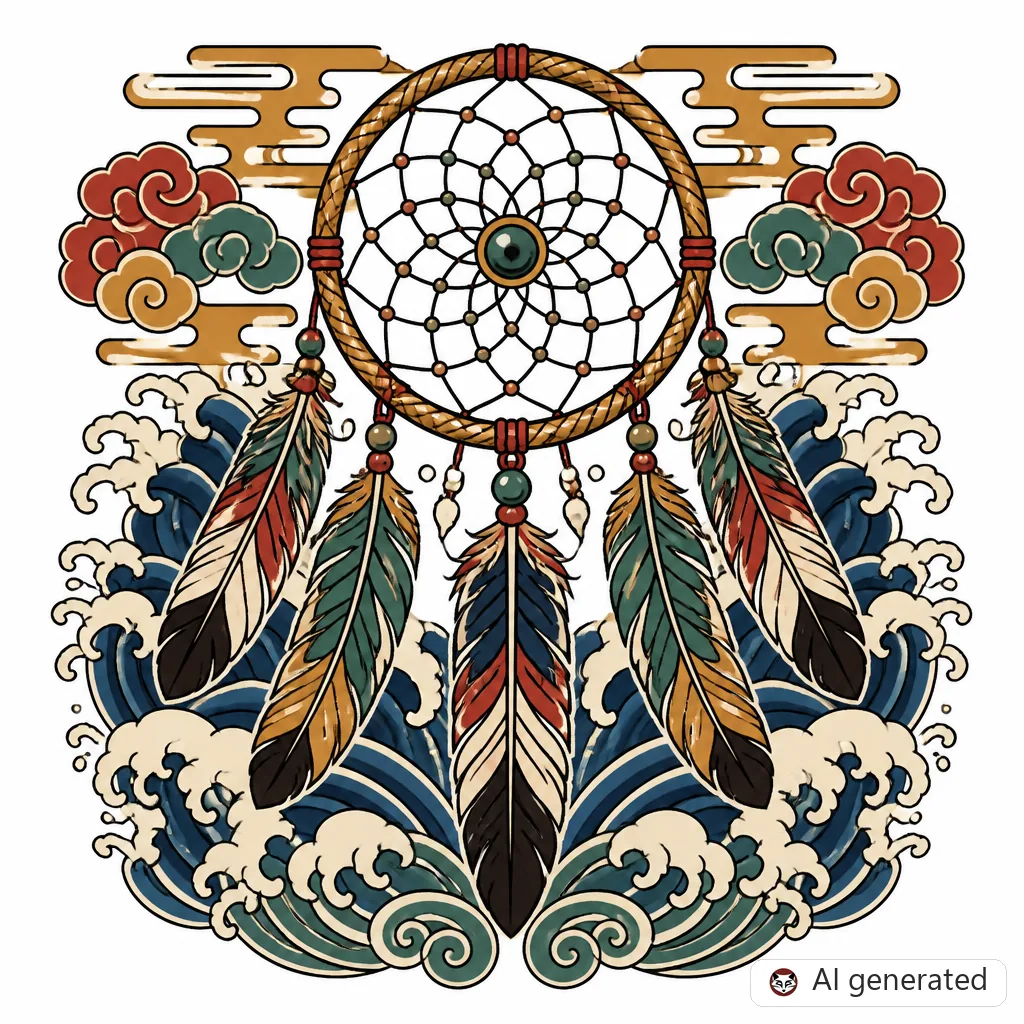
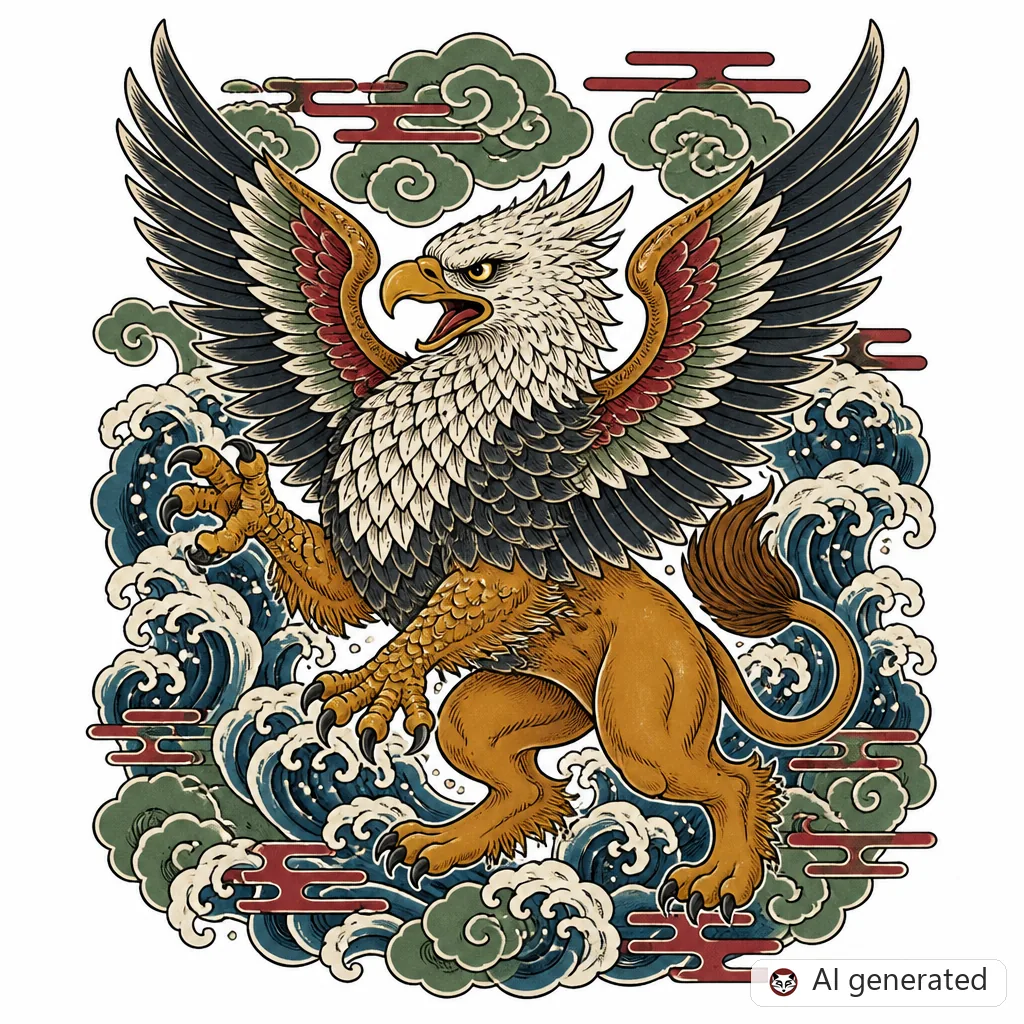
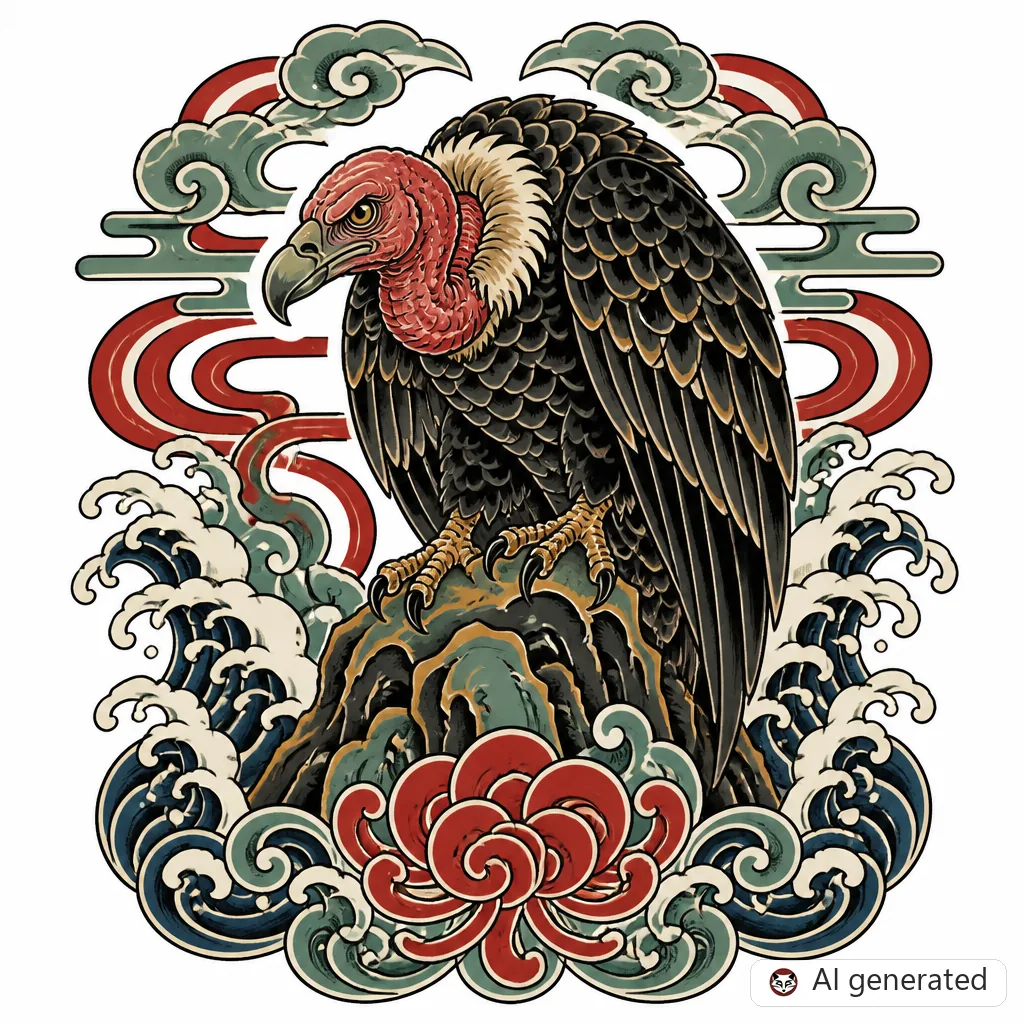
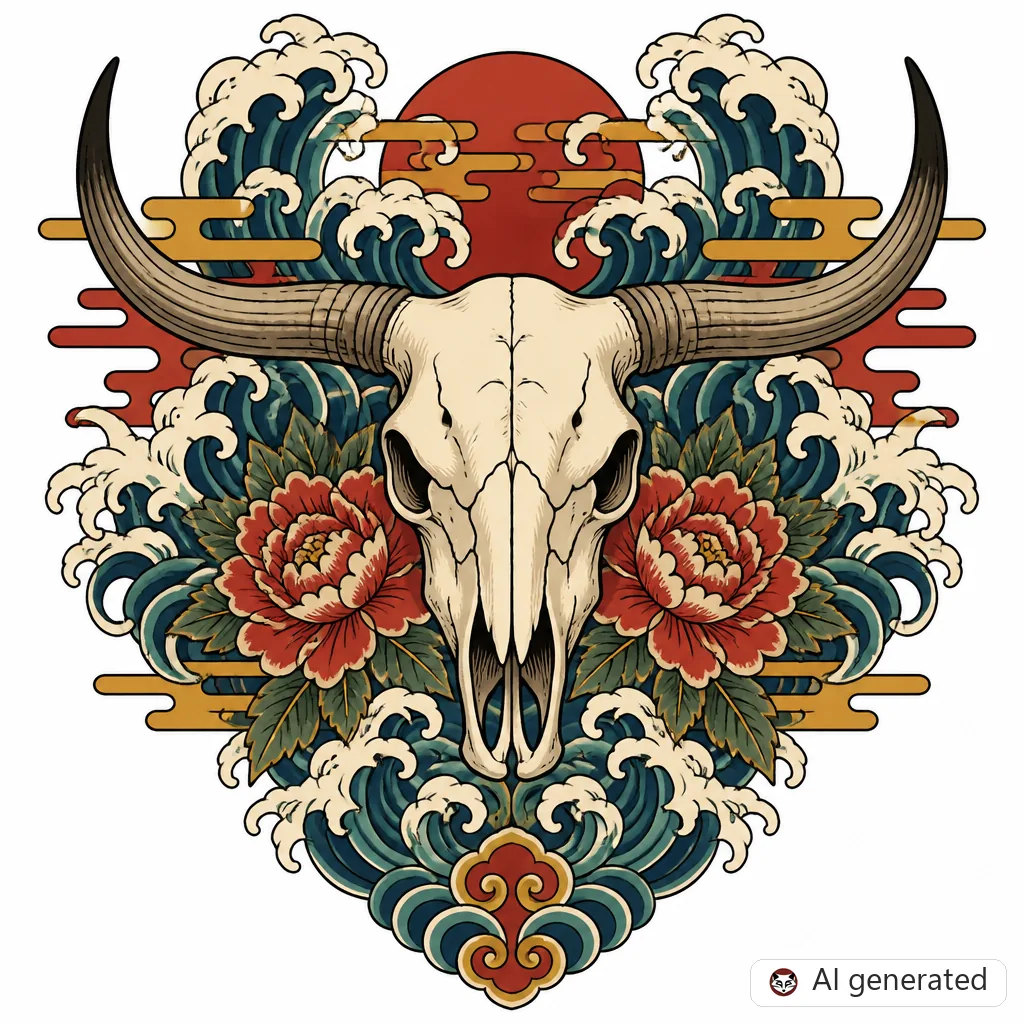
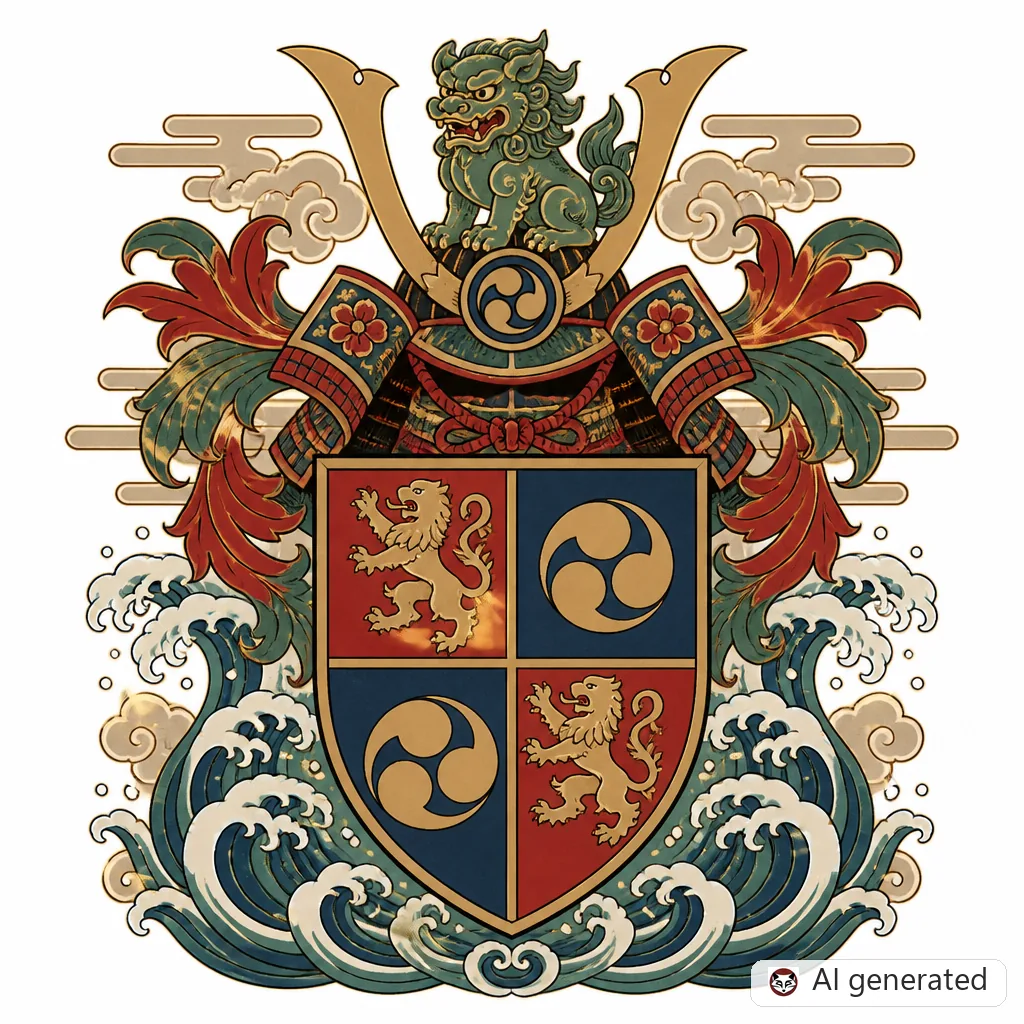
What Japanese (Irezumi) does to a motif
The traditional Japanese vocabulary: bold outlines, wind bars, waves and flowers framing the subject. Built for large placements, where the background is doing half the work.
The other styles
Every motif in this library is drawn in all twenty-three. Compare the same subject across them.
Make your own japanese (irezumi) design
These are reference designs. In the AI Tattoos app you can generate your own version of this motif, restyle it with one tap, and see it on a photo of your own skin with the depth-aware Studio before you book anything.
About these designs
This is a reference library, not a shop. Nothing here is for sale and no tattoo can be ordered from this page. Take a design to a professional tattoo artist, who will adapt it to your body, your placement and their own hand. Meanings attached to motifs are cultural and vary between traditions; where a motif belongs to a living tradition, read about it before wearing it.