 AI Tattoos
Design library
Valkyrie tattoo designs
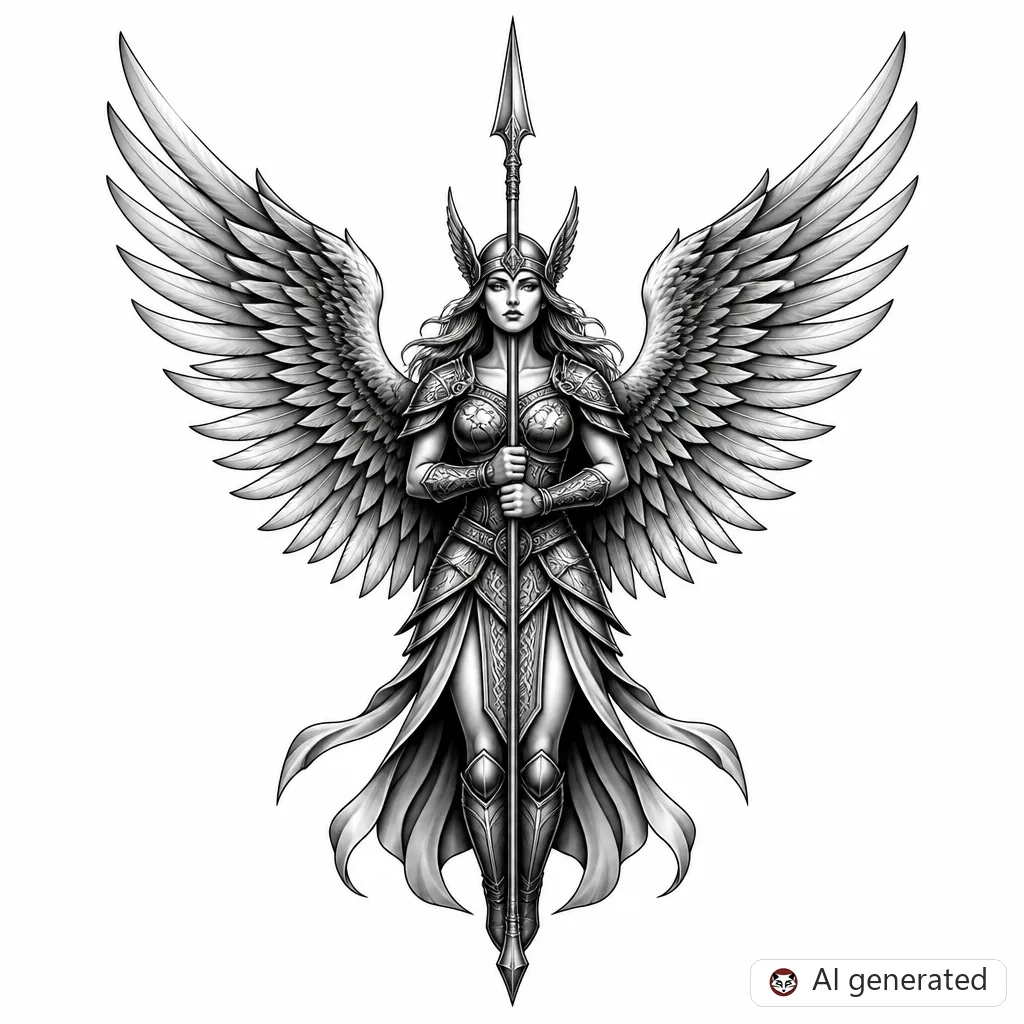
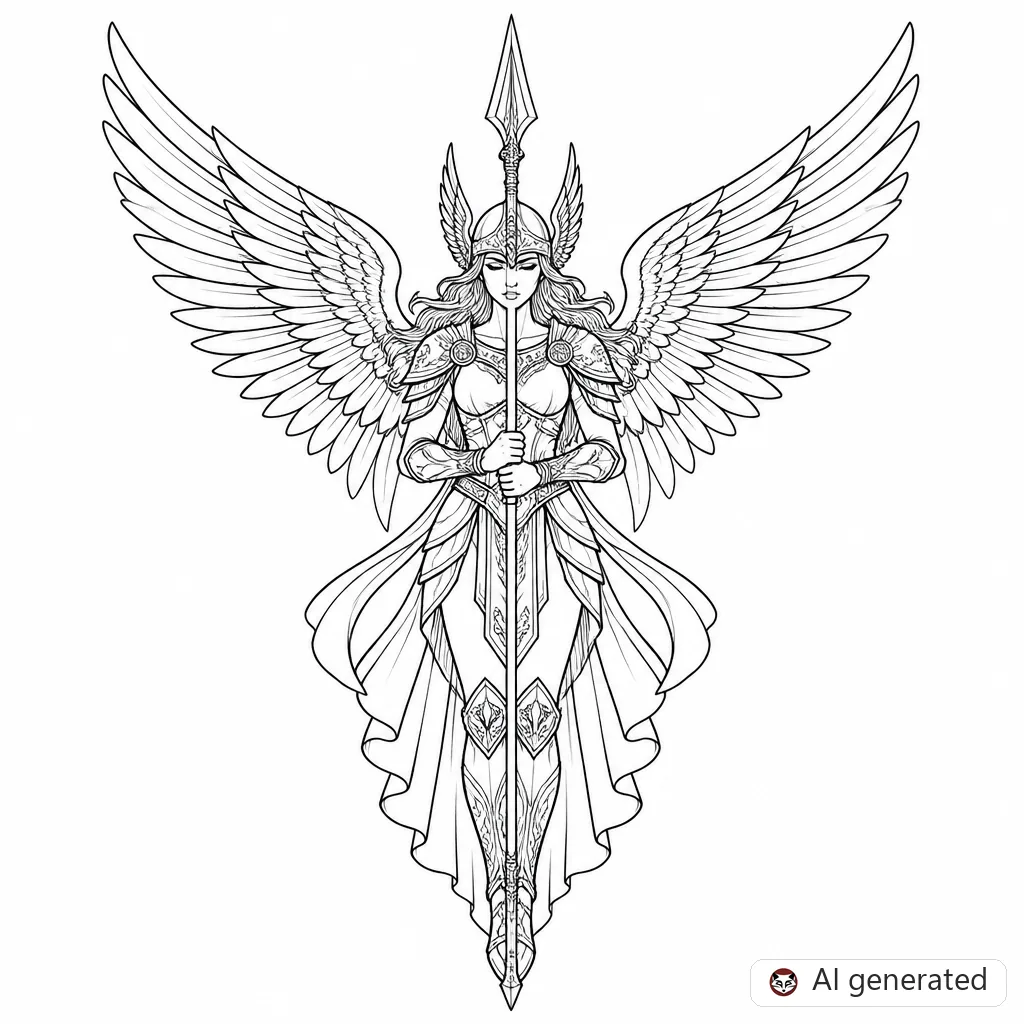
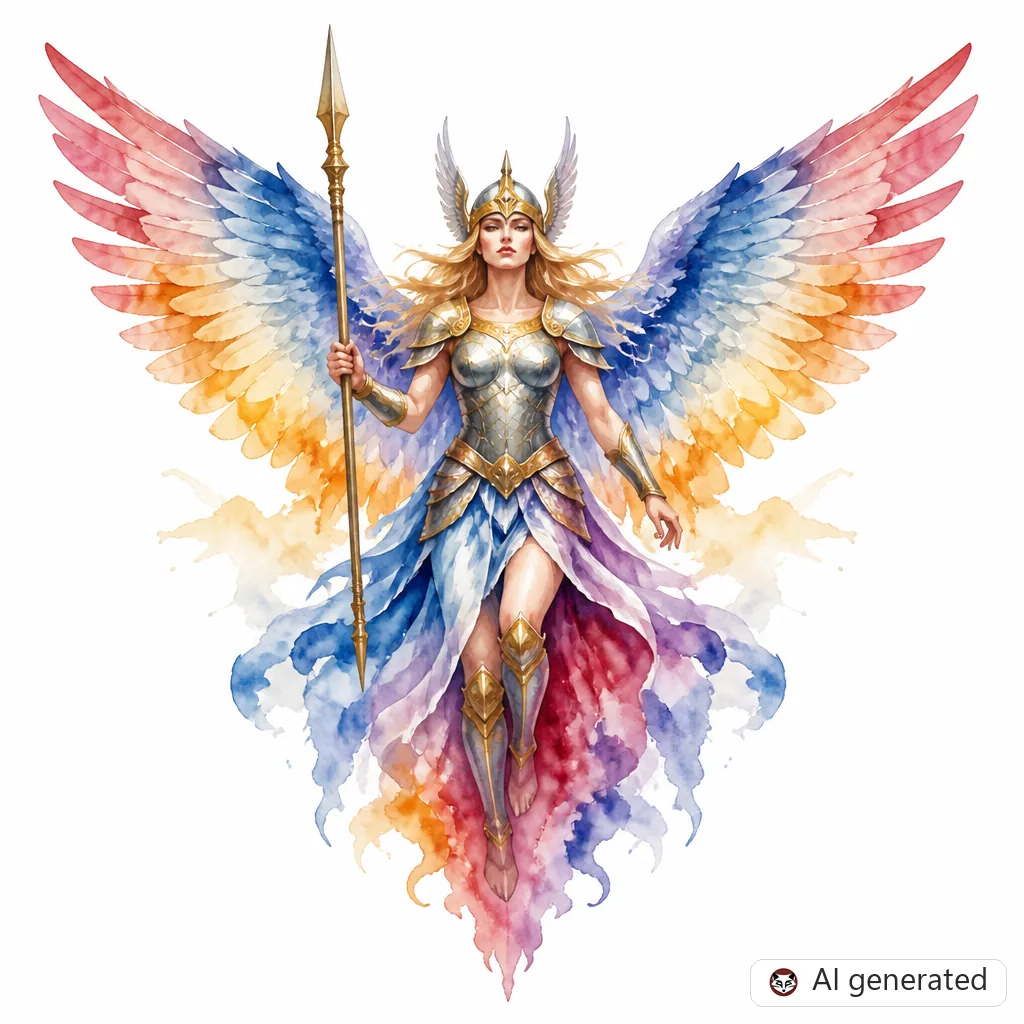
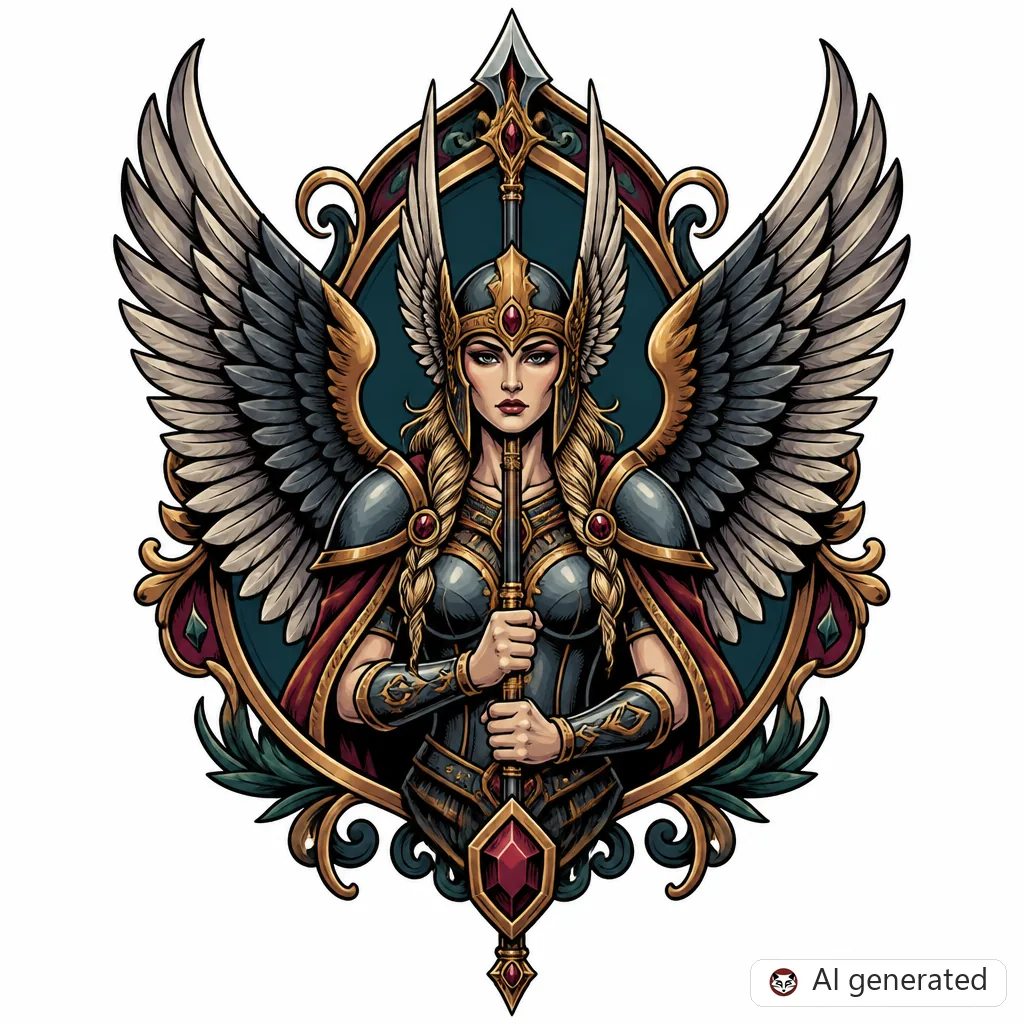
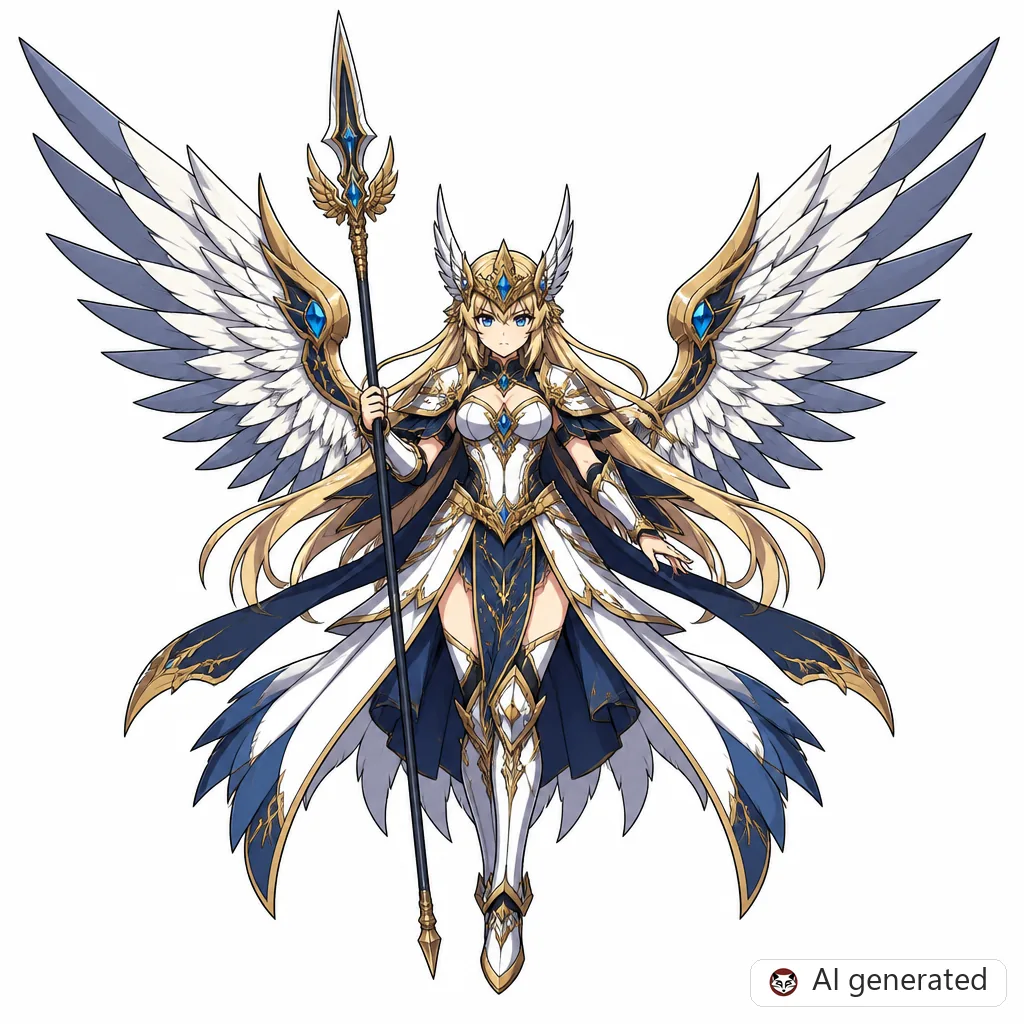
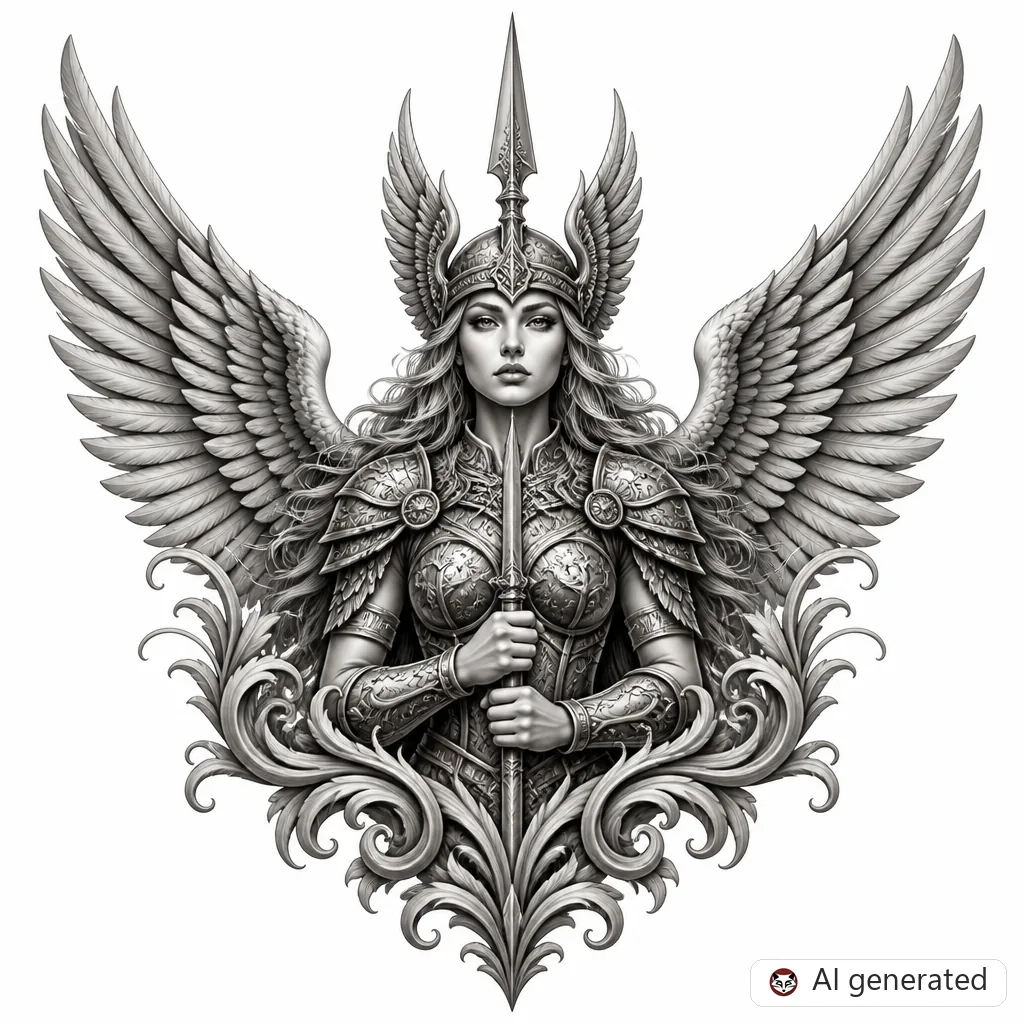
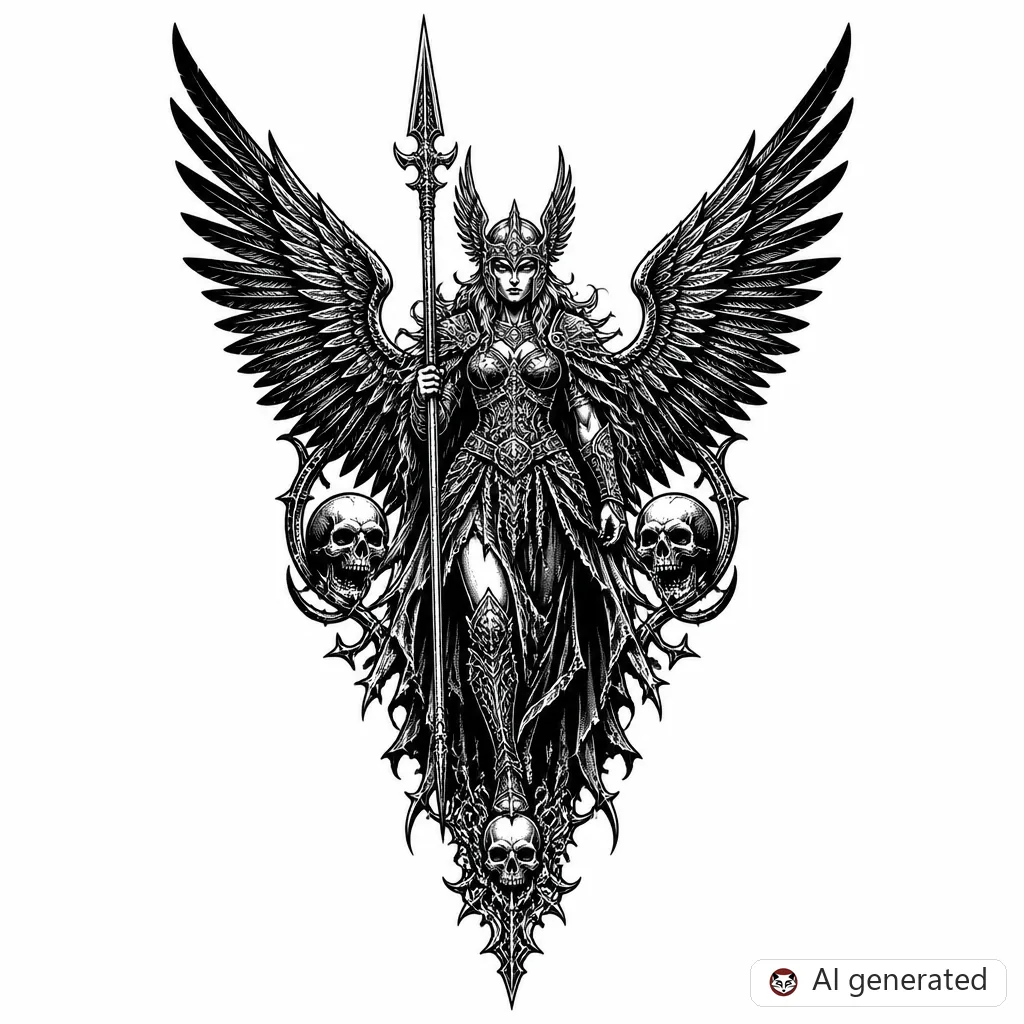
A winged valkyrie with a spear is a full figure with a strong vertical line. It is a back or thigh motif rather than an arm one.
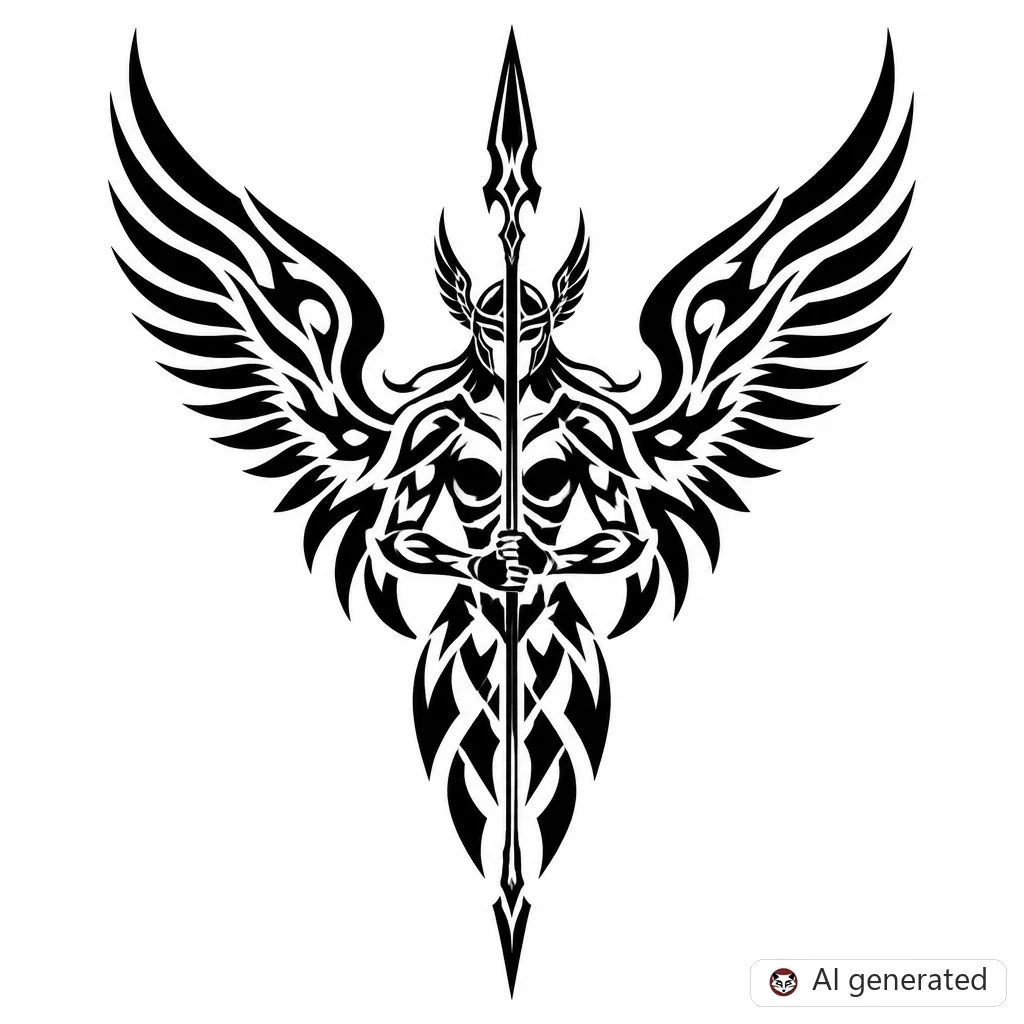
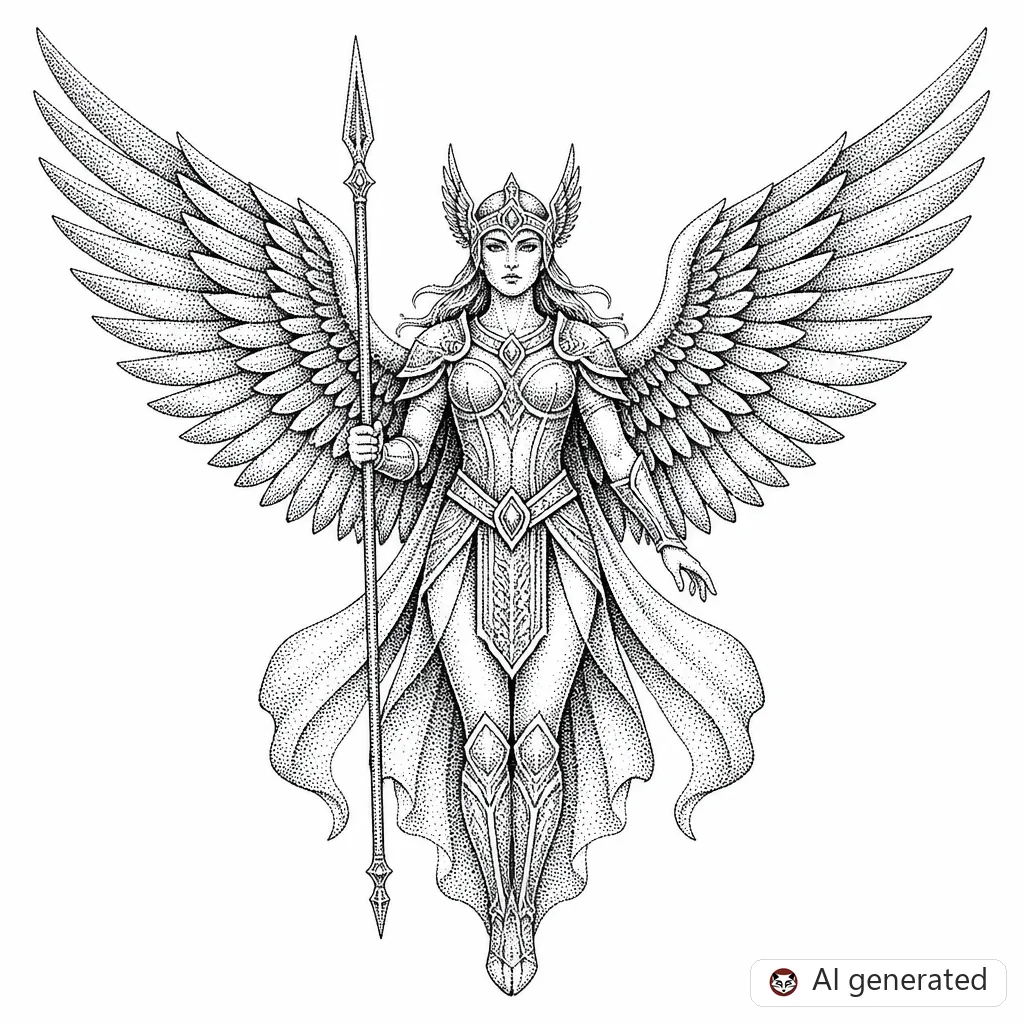
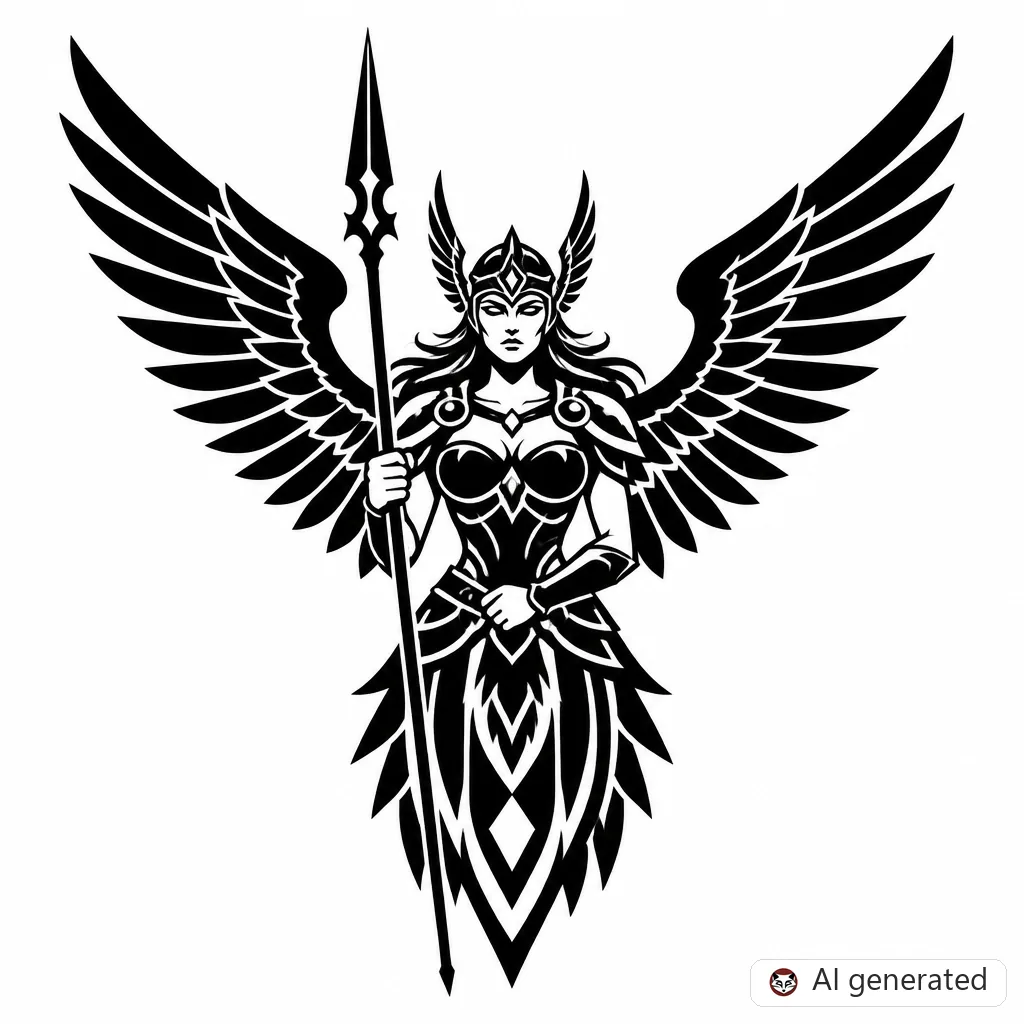
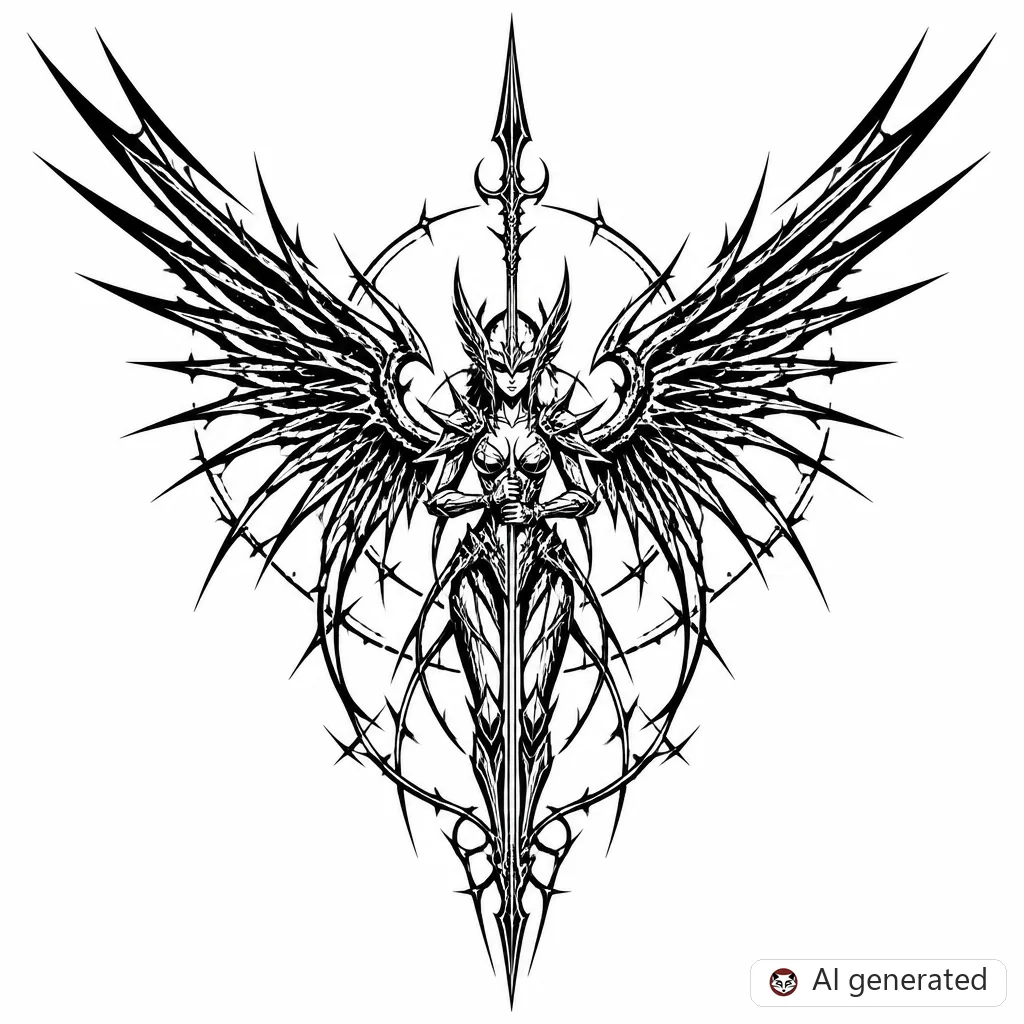
The valkyrie in every style
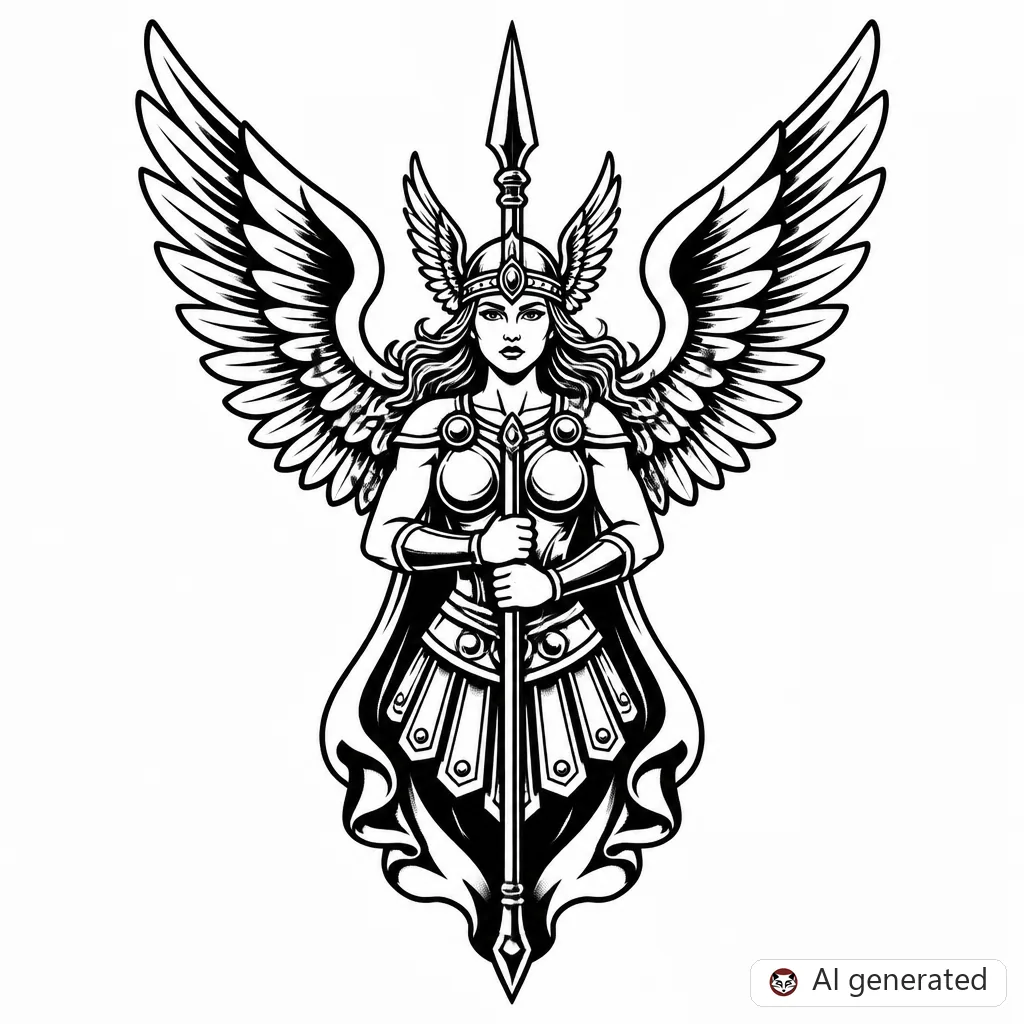
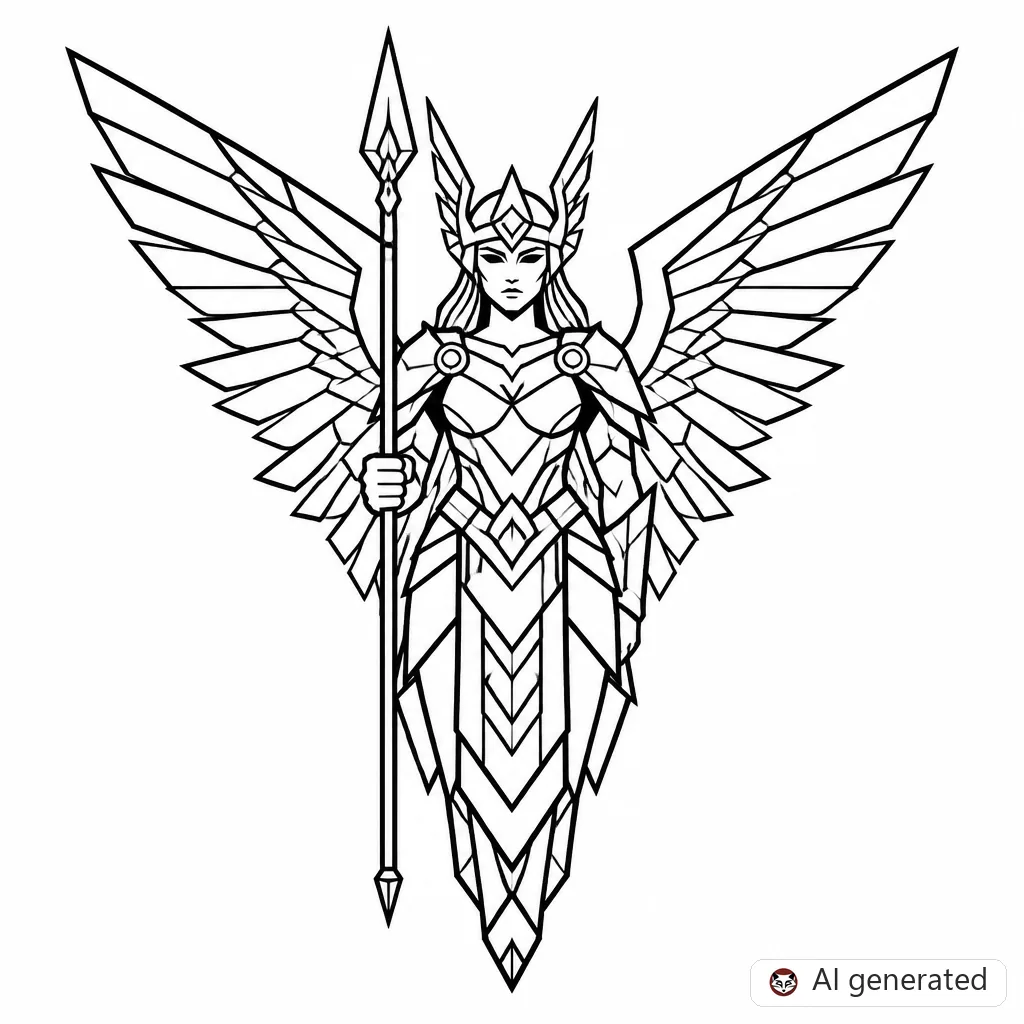
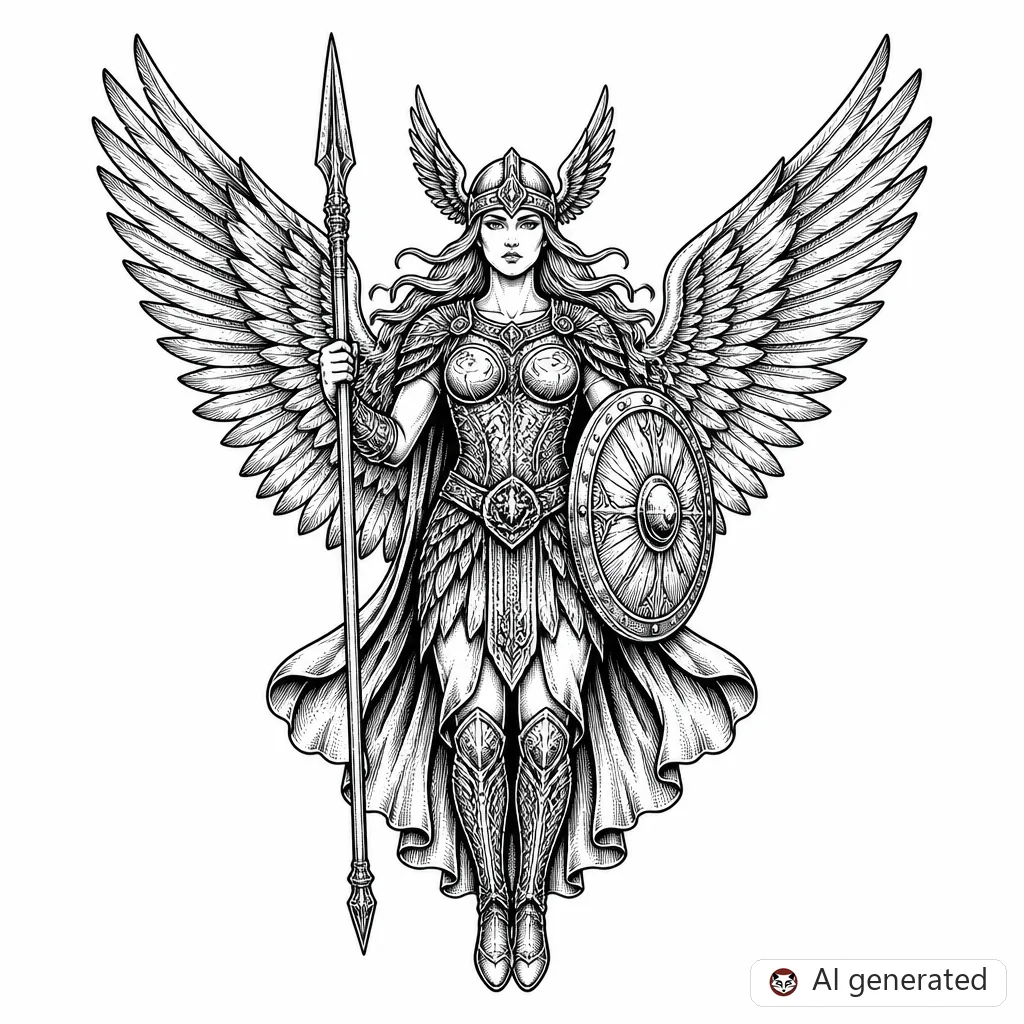
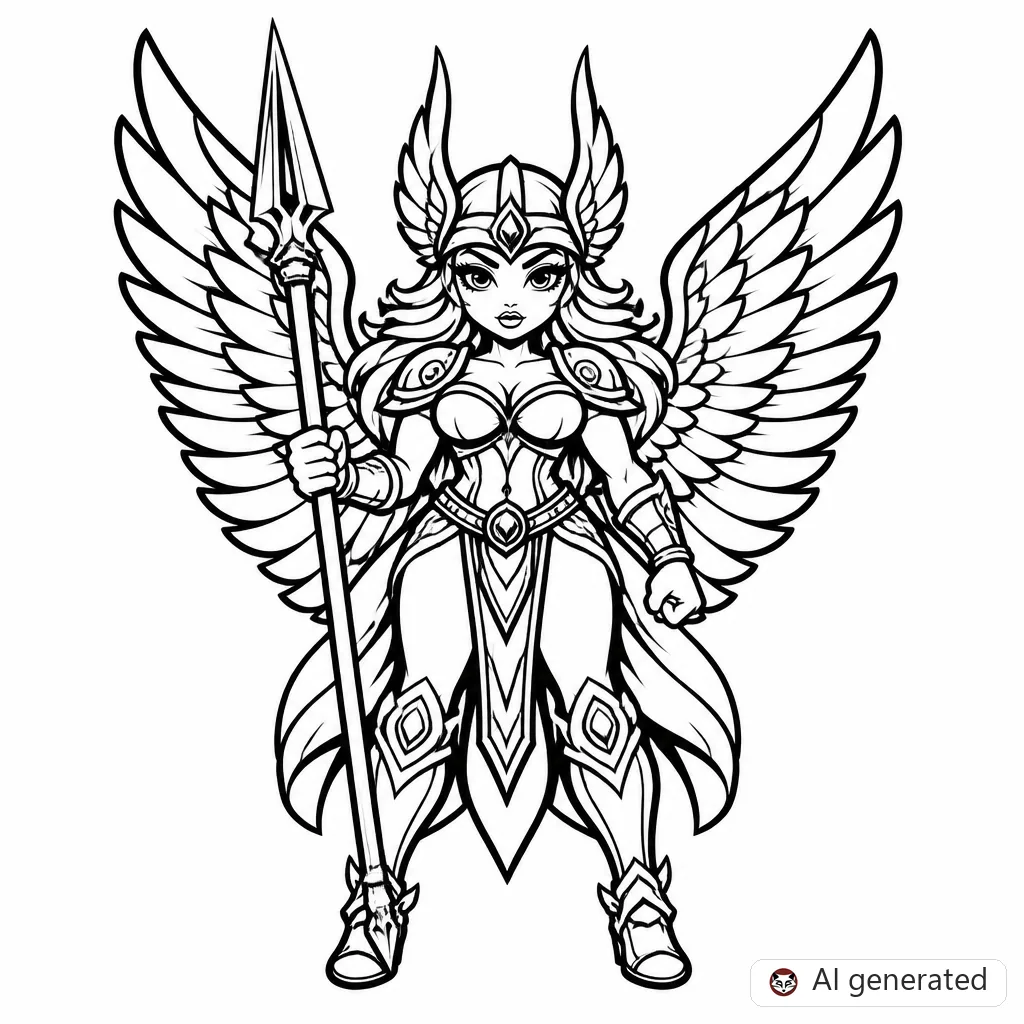
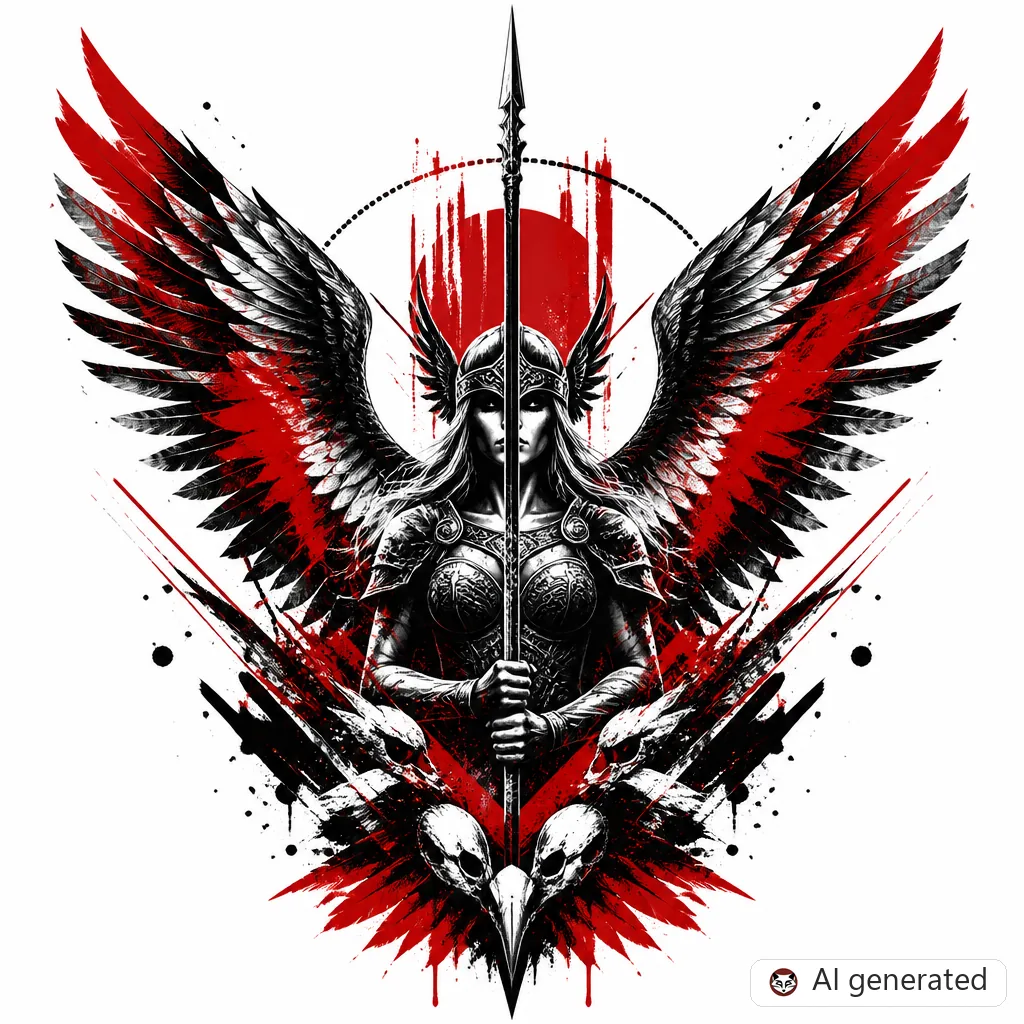
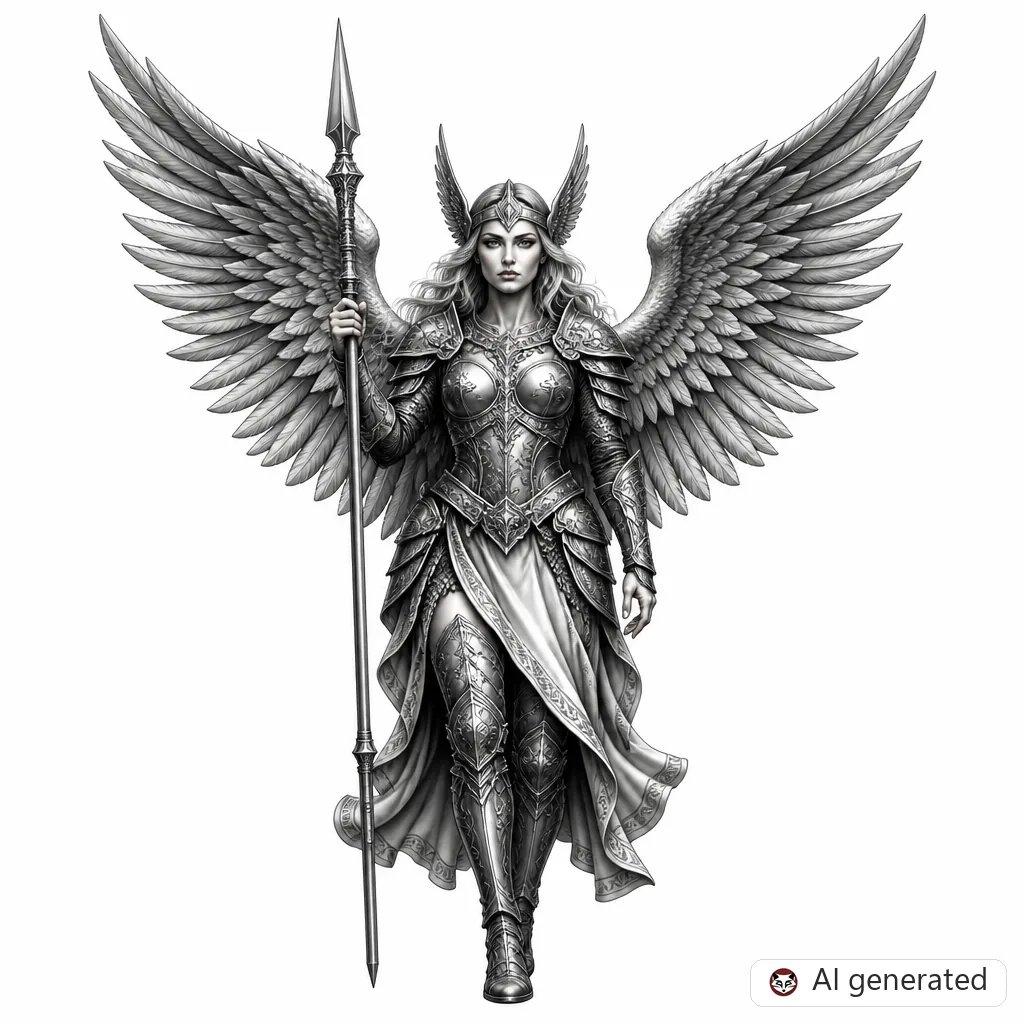
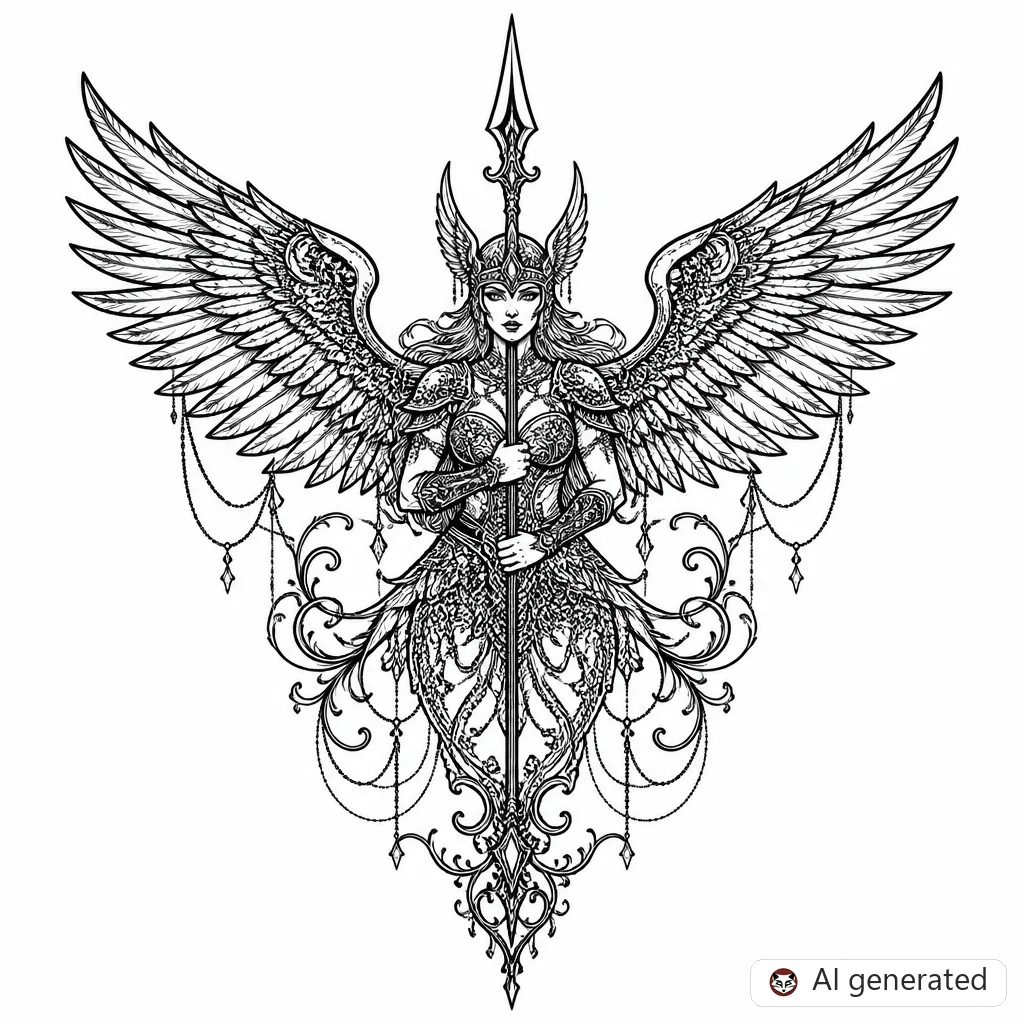
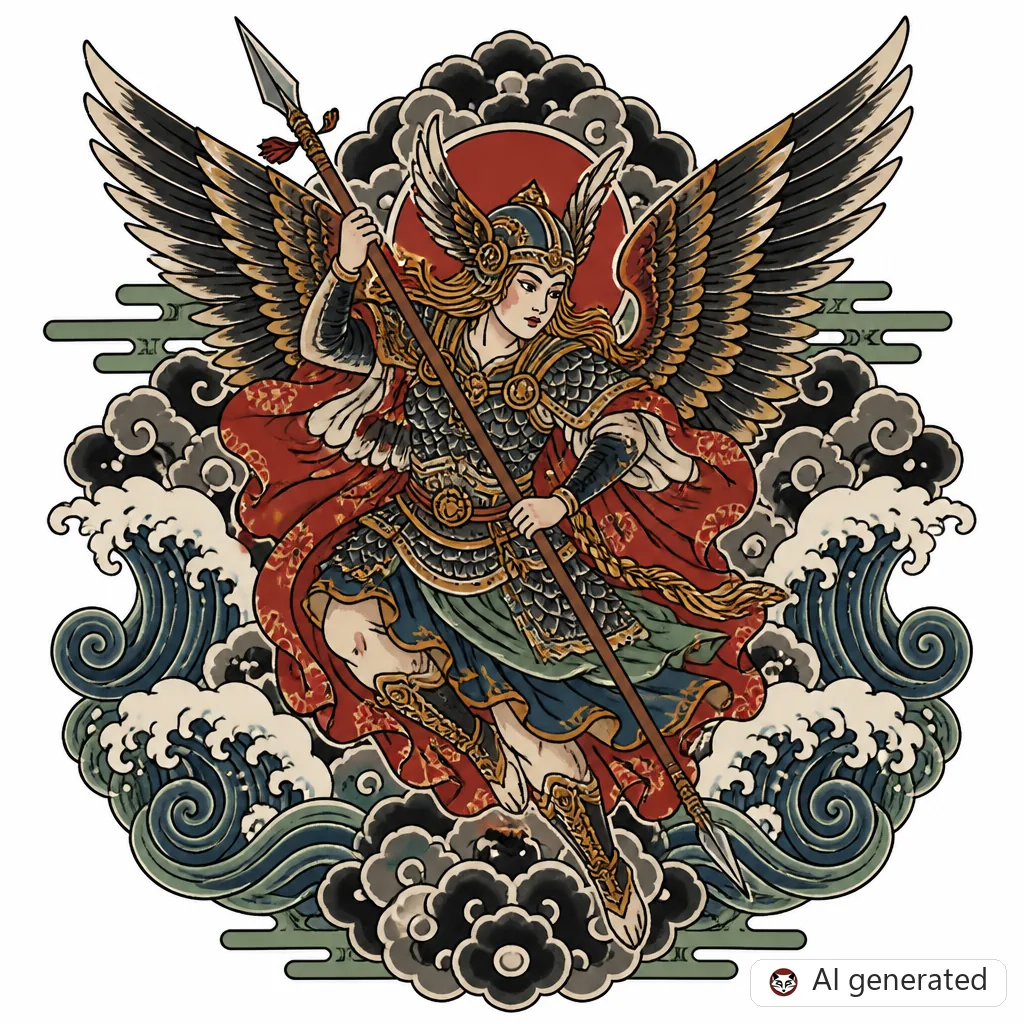
Same subject, same size, one style each. So the difference you see is the style and nothing else.
What each style does to this motif
Style is the decision that changes a tattoo most, and it is the one people spend least time on. Here is what each of the twenty-three actually does.
- Black & Grey
- Soft shading and grey washes instead of hard outlines. Ages well and reads clearly from a distance, which is why most large pieces are done this way.
- Fine-Line
- One thin, even line weight and almost no shading. Elegant and quiet on skin, but hairline detail can close up over the years, so keep the drawing simple and the size generous.
- Watercolor
- Loose, translucent colour washes with soft bleeding edges and lots of open paper. Needs a confident artist: without an anchoring line the shapes have to hold themselves together.
- Traditional
- American traditional: bold outlines, a small flat palette, no fuss. The most durable way to wear a motif, the design is built to still read in thirty years.
- Geometric
- The subject rebuilt from straight lines, arcs and repeated shapes. Suits symmetrical motifs and placements with a clear axis, like a forearm or a spine.
- Illustrative
- Storybook or engraving feel, fine hatching, drawn rather than photographed. Sits between fine-line and black & grey in both detail and durability.
- New School
- Exaggerated cartoon proportions and thick outlines. Loud on purpose, and very legible at small sizes.
- Tribal
- Solid black interlocking shapes with sharp points, following the muscle rather than sitting on top of it. Simple to read, hard to draw well.
- Dotwork
- Every tone built from stippled dots, no solid fill. Slow to tattoo and beautifully soft, the density of the dots is what creates the shape.
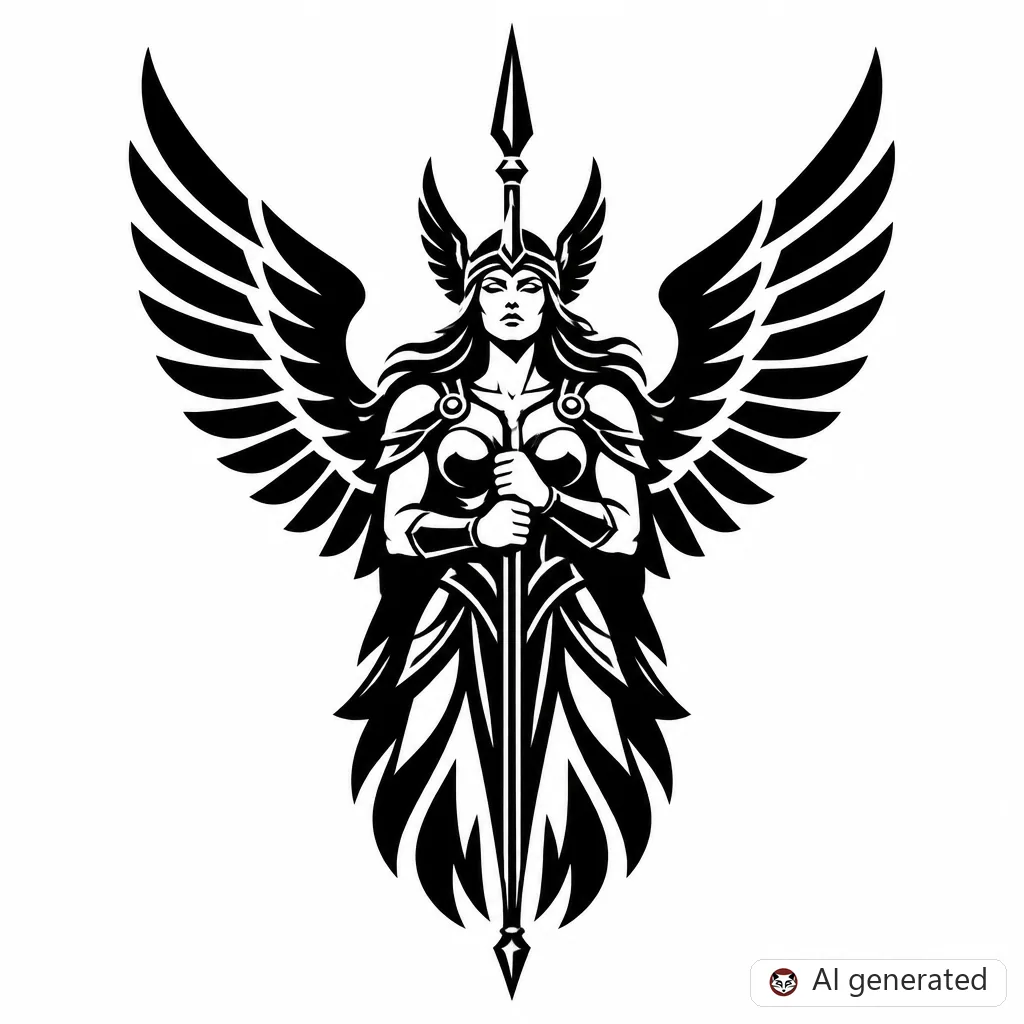
- Blackwork
- Large areas of opaque black with the subject cut out as negative space. Extremely graphic, and the strongest contrast of anything here.
- Cybersigilism
- Spiky neo-tribal filaments and barbed, thorn-like points. The newest style in this set and the one that changes a motif the most.
- Trash Polka
- Black and red only, realistic elements collaged with brush strokes and smears. Chaotic by design, it wants a lot of skin.
- Realism
- Photographic tonal rendering, no outline. The most demanding style to execute and the one that depends most on the artist.
- Ornamental
- Symmetrical filigree and lace, closer to jewellery than to a picture. Made to wrap a limb or frame a joint.
- Japanese (Irezumi)
- The traditional Japanese vocabulary: bold outlines, wind bars, waves and flowers framing the subject. Built for large placements, where the background is doing half the work.
- Neo-Traditional
- Traditional rules with the volume turned up: heavier detail, a wider palette, art-nouveau curves. Keeps the durable outline, loses the flatness.
- Anime
- Cel-shaded linework straight out of Japanese animation: clean contours, flat colour fields, expressive eyes. Instantly readable if you know the language, invisible if you don't.
- Chicano
- Fine black-and-grey out of the Mexican-American tradition: smooth single-needle shading, script, roses, religious and lowrider imagery. Soft in tone, heavy in meaning.
- Gothic
- Dense blackwork with cathedral ornament, thorns and memento-mori imagery. Heavy contrast, heavy mood: the darkest treatment in this set.
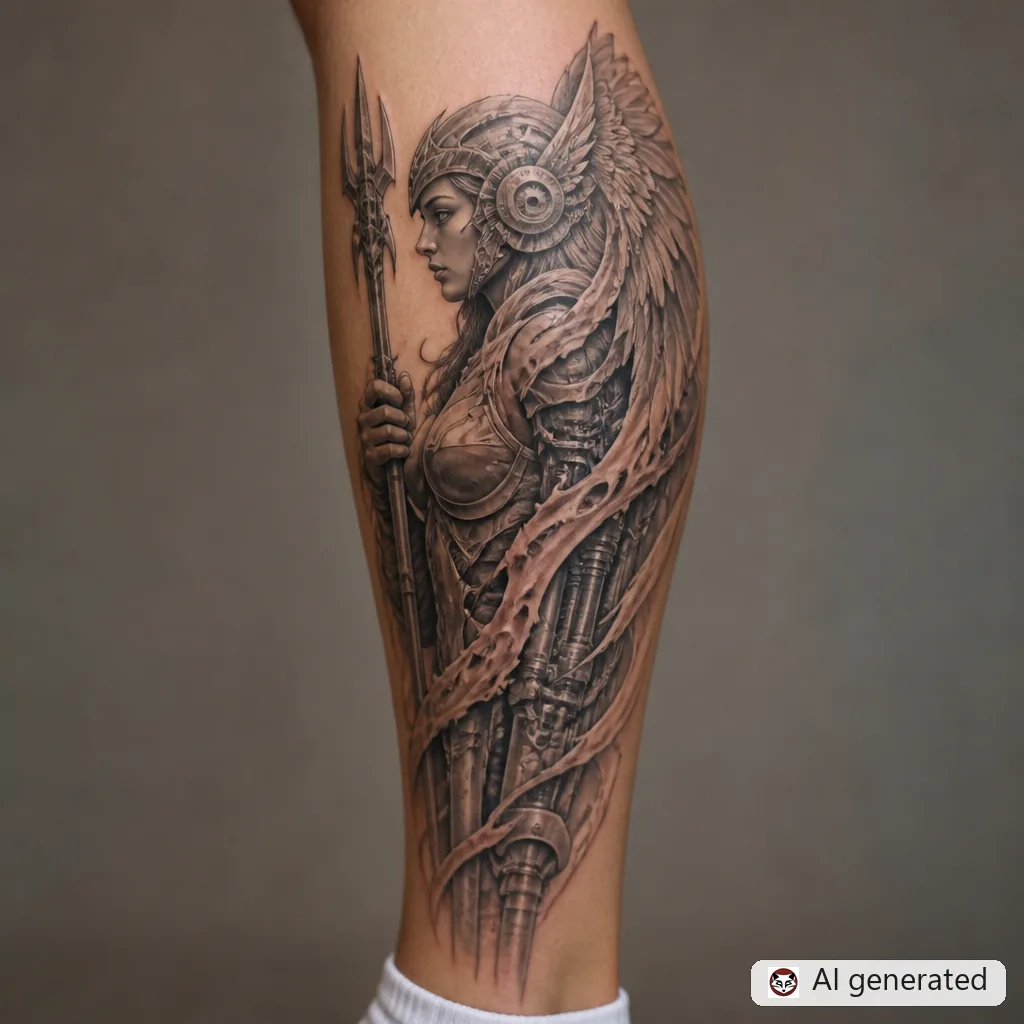
- Biomechanical
- The torn-skin illusion: skin appears to open over pistons, cables and chrome. Shown here as photorealistic renders on skin rather than flash sheets, because the trick only works in place, on a real body part.
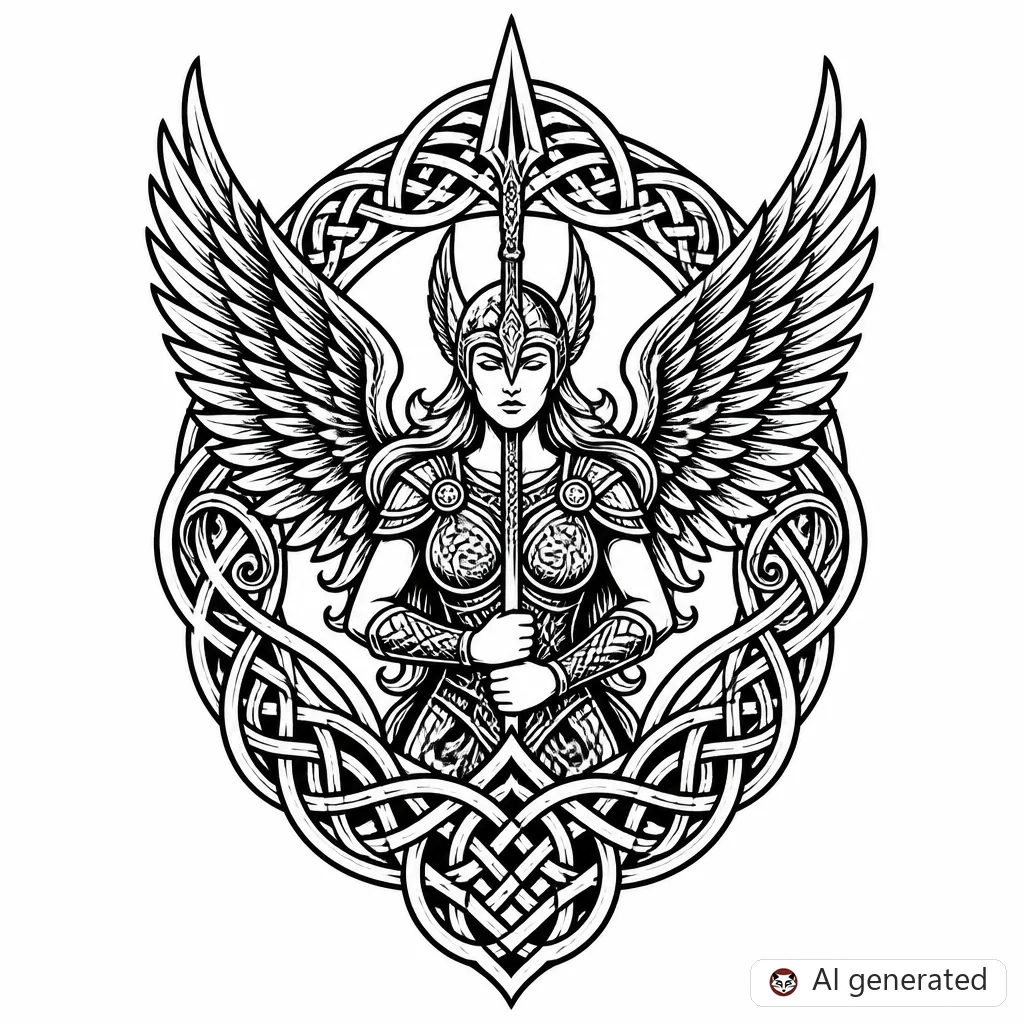
- Celtic
- Endless interlaced knotwork and spirals in solid black line. The pattern has no start and no end, which is most of the point, and drawing it cleanly is genuinely hard.
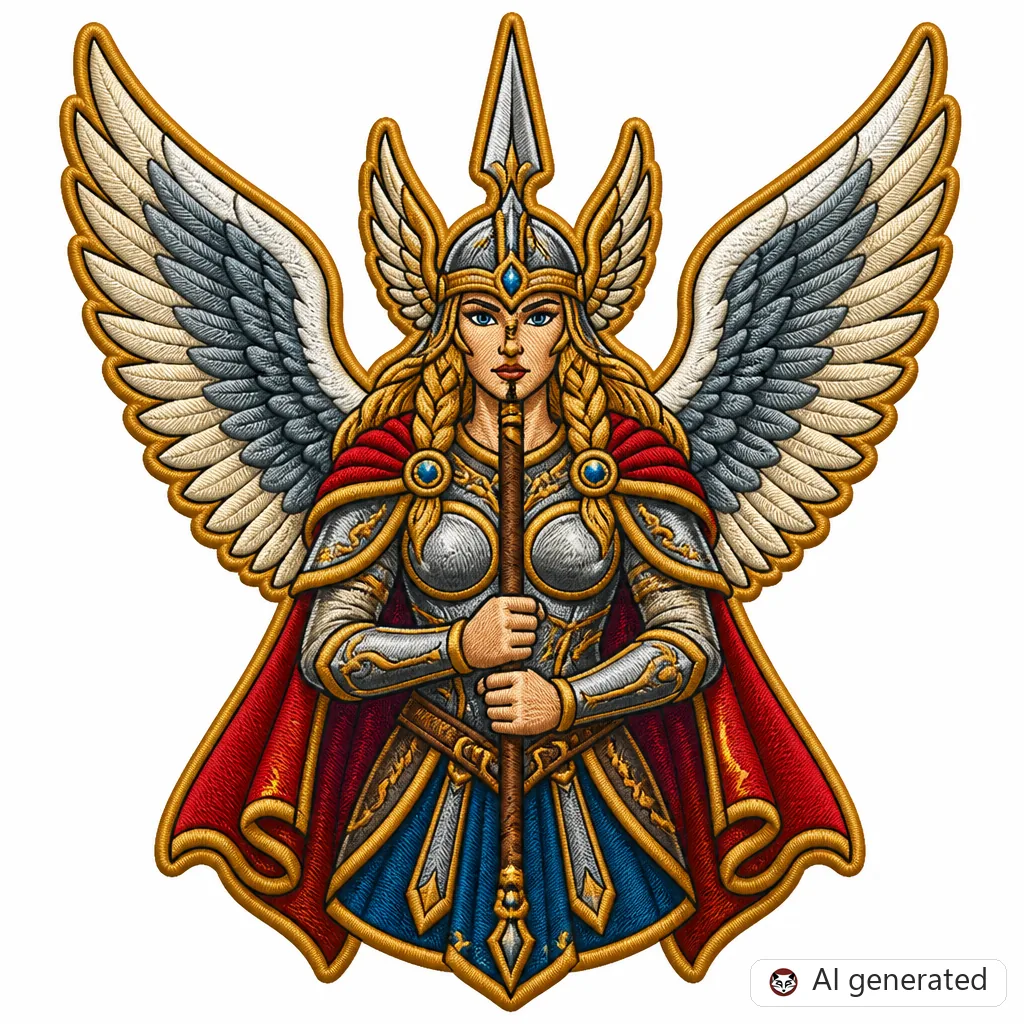
- Embroidery
- Ink imitating stitched thread: visible stitch direction, satin sheen, a patch-like border. A trompe-l'oeil style that lives or dies on the texture being convincing.
- Negative Space
- The motif is the skin you leave open; the ink around it does the drawing. Read best at a distance and age well, because the subject can't blur, it was never inked.
Related motifs
Motifs people usually look at alongside this one.
Make it your own valkyrie
These are reference designs. In the AI Tattoos app you can generate your own version of this motif, restyle it with one tap, and see it on a photo of your own skin with the depth-aware Studio before you book anything.
About these designs
This is a reference library, not a shop. Nothing here is for sale and no tattoo can be ordered from this page. Take a design to a professional tattoo artist, who will adapt it to your body, your placement and their own hand. Meanings attached to motifs are cultural and vary between traditions; where a motif belongs to a living tradition, read about it before wearing it.